
The WNBA is gaining traction with stars like Caitlin Clark and Sophie Cunningham injecting excitement into the league. These athletes bring the attention, rivalries, and fan engagement that leagues typically desire. However, the league seems uneasy with this new energy. The latest episode of The Riley Gaines Show dives into these dynamics, highlighting situations including Clark’s return to form, the Fever’s resurgence, and Sophie Cunningham’s controversies.
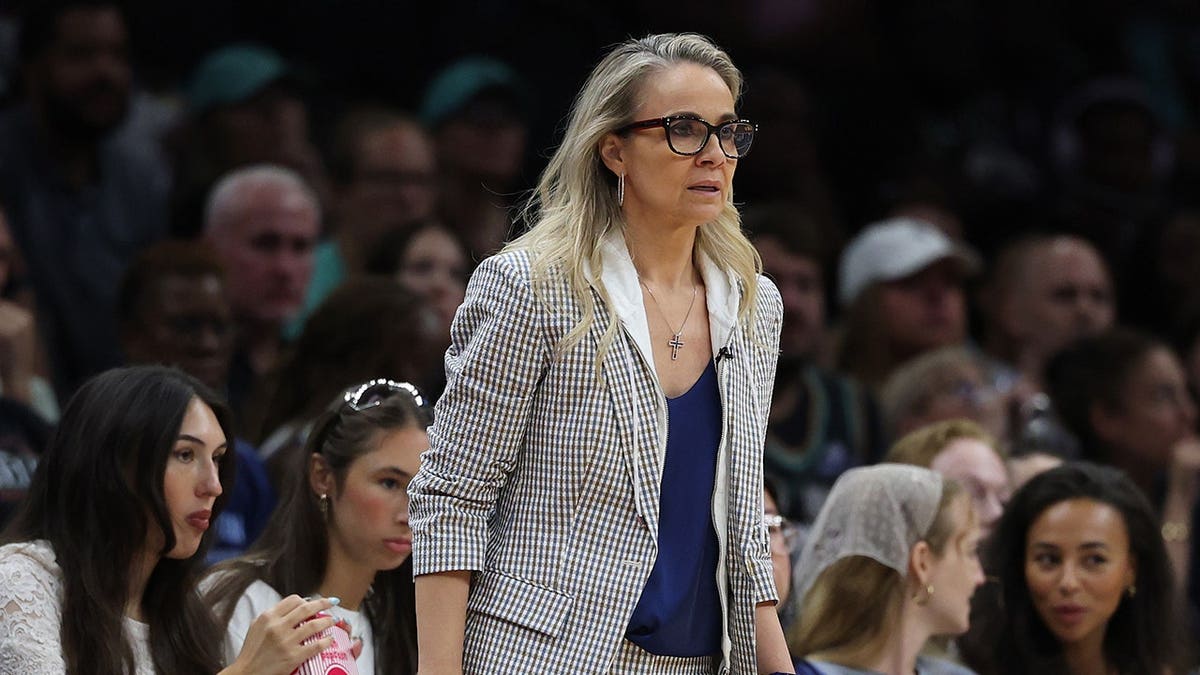
A recent WNBA game between the Las Vegas Aces and the New York Liberty, two championship contenders, showcased this tension. Aces head coach Becky Hammon made a surprising decision, choosing not to start key players A’ja Wilson, Chelsea Gray, and Jackie Young. Instead, she fielded Jewell Loyd, Dana Evans, and Brianna Turner. This choice, interpreted as a protest, stemmed from playing consecutive road games over the weekend.
Despite the national TV audience tuning in, Wilson, Gray, and Young remained off the court, except to support teammates. Hammon’s decision, aimed at player health and safety, resulted in a 111-71 loss to the Liberty.
“Player health and safety come first,” Hammon explained, referencing her focus on the bigger picture beyond immediate wins. With Wilson, Young, and Gray playing heavy minutes against the Minnesota Lynx the day before, Hammon prioritized their well-being over the potential marketing benefits of a national TV appearance.
Backing her stance, the WNBA’s new collective bargaining agreement demands “reasonable and good faith efforts” for spacing games. Teams must have at least 22 hours between back-to-back games if travel spans no more than one time zone. The Aces’ tight schedule, with Saturday’s game starting at 1 p.m. ET and Sunday’s at 12:30 p.m. ET, placed strain on player resources.
The Liberty’s Jonquel Jones expressed understanding, acknowledging the Aces’ need to safeguard their players. “They have to do what’s right for their bodies,” she explained, noting the importance of team priorities over competitive desires.
The WNBA aims to expand its schedule to a 50-game season next year, up from 44. This growth indicates increasing popularity and demand. However, Hammon’s actions on Sunday may signal her resistance against the pressure of such scheduling, despite national TV coverage.