
The Trump administration has downplayed worries that the United States is running low on its advanced long-range missiles. Reports indicate the Army depleted nearly all of its Army Tactical Missile Systems (ATACMS) and Precision Strike Missiles (PrSM) during a five-month conflict with Iran. Sources familiar with internal U.S. military data shared this information with Reuters.
Military officials express concern that these depleted stockpiles could hinder the U.S. response to potential future conflicts with adversaries like China and Russia. Nevertheless, the White House insists that the U.S. military has adequate weaponry to fulfill its missions. President Donald Trump assured that the U.S. possesses more munitions than any other country. He also stated that defense companies are ramping up production, enlarging their plants, and plan to distribute more to allies.
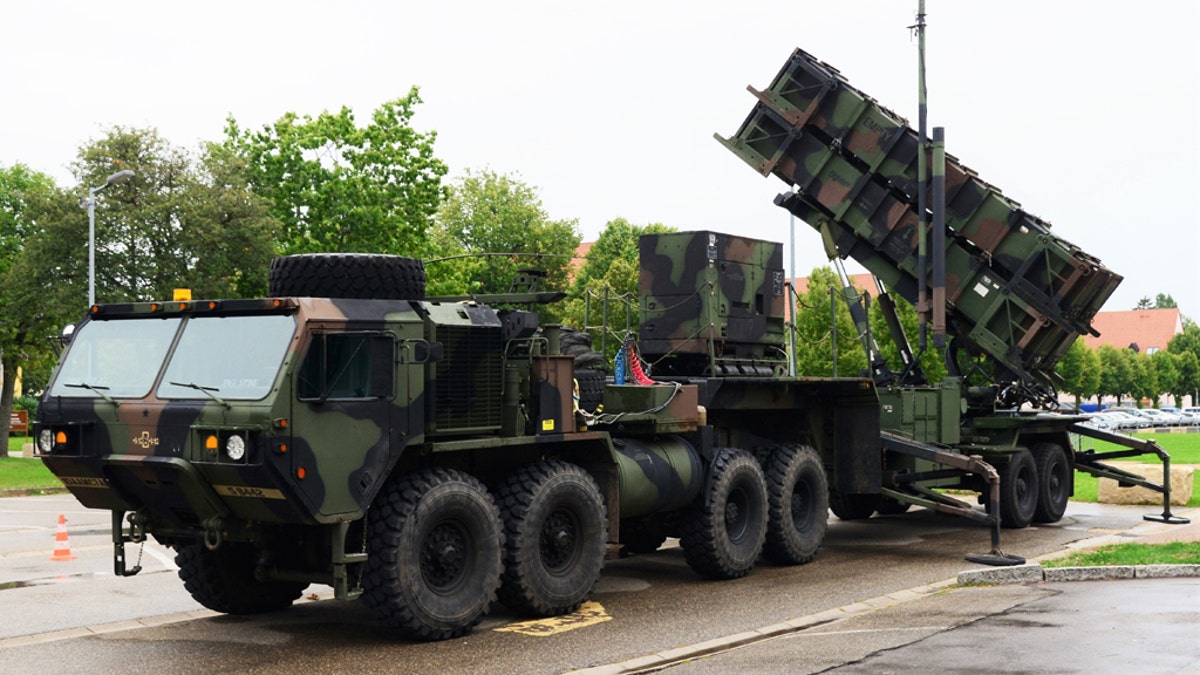
Reuters’ report highlights a persistent problem for the Pentagon: sophisticated weapons can be quickly expended and take years to replace. Reuters also noted reduced inventories of Patriot and THAAD missile interceptors and Tomahawk cruise missiles, although the Pentagon maintains the U.S. retains operational capabilities worldwide.
“America’s military is the most powerful in the world and has everything it needs to execute operations at the time and place of the President’s choosing,” stated Sean Parnell, chief Pentagon spokesman.
Analysts from the Center for Strategic and International Studies claim that the U.S. has used about 65% of its Patriot interceptor stockpile and reduced THAAD interceptors by at least 38% since the Iranian conflict began.
The ATACMS and PrSM are vital Army assets, enabling strikes at long distances without risking pilots. These missiles target heavily fortified enemy locations like command centers and logistics hubs. Patriot and THAAD interceptors protect U.S. forces by intercepting incoming threats, while Tomahawk cruise missiles allow the U.S. Navy to carry out long-range strikes.
Pentagon officials stress the importance of sustaining advanced weapons in prolonged conflicts against major powers. This situation has accelerated efforts to incorporate lower-cost drones and autonomous systems into the strategy. While drones complement operations, military leaders emphasize that ATACMS and PrSM are irreplaceable for targeting well-defended sites at extended ranges.
President Trump has urged defense contractors to boost production, quadrupling output for several advanced systems. At multiple meetings this year, he pressed for faster manufacturing timelines, emphasizing quality and increased speed in production.
These production goals align with budget priorities. The administration’s proposed $1.5 trillion defense budget includes significant investments in drones, munitions production, missile defense, and Tomahawk cruise missiles.