
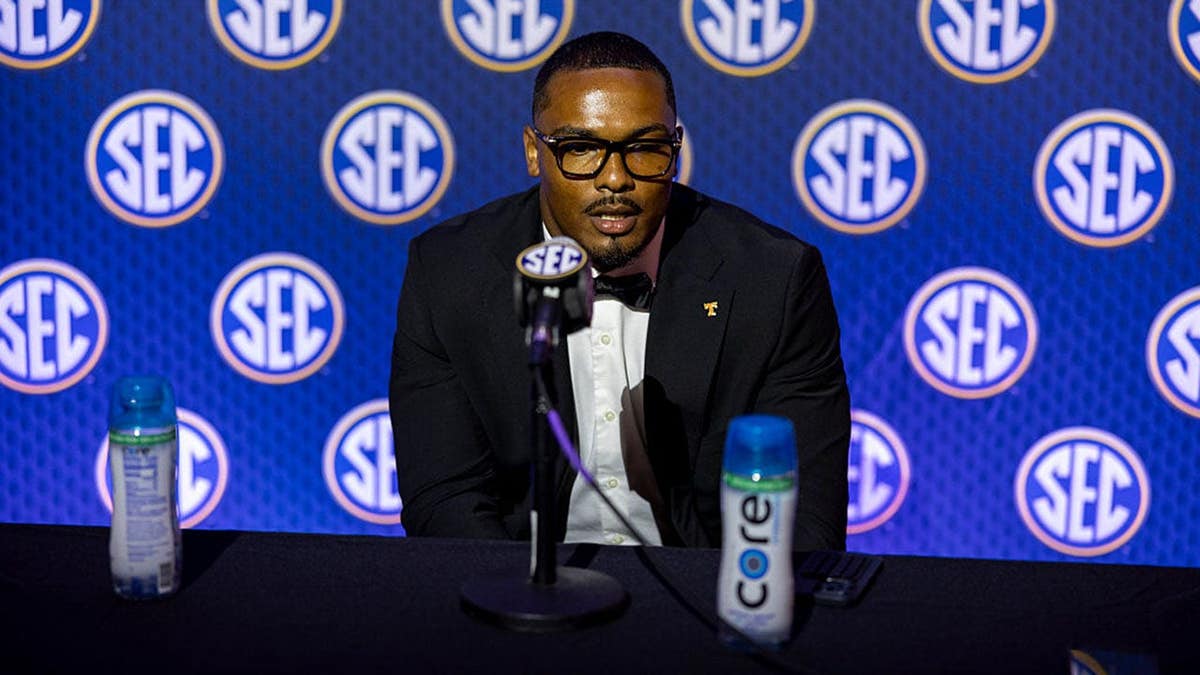
Knoxville, TN – The NCAA has suspended Tennessee linebacker Arion Carter for the first two games of the upcoming season, sparking criticism from his head coach, Josh Heupel, over outdated regulations.
After the 2025 season ended, Carter declared for the NFL Draft, engaging an agent and thereby forfeiting his collegiate eligibility under existing rules. Complicating matters, Carter accepted a $427 plane ticket from his agent for a training session where he learned of a foot injury that could jeopardize his draft prospects.
Carter’s situation mirrors a recent ruling by a Colorado judge on NCAA athlete eligibility, potentially reshaping collegiate sports. Despite his injury, Carter opted to return to college, repaying the $427 and the school self-reported the violation to the NCAA. After entering the transfer portal briefly, he rejoined the Tennessee team.
Coach Heupel’s Response
Before Fall camp opened, Coach Josh Heupel expressed his frustration with the NCAA’s punishment: “He’s done everything the right way. The 2-game suspension ruling by the NCAA is outdated. I’m disappointed for him and for us.” He highlighted inconsistencies, noting that while NIL (Name, Image, Likeness) deals evolve, rules remain archaic.
In stark contrast, schools maneuver around revenue-sharing caps to offer athletes lucrative deals, including private airfare for high school recruits and their families. This financial scenario contrasts sharply with Carter’s suspension over a mere $427 expense.
NCAA’s Defense
The NCAA stated, “Our rules are clear: student-athletes may not sign with agents for NFL Draft pursuits, and this student-athlete knowingly violated established rules.” The reinstatement process involves eligibility declaration by the school and coordination with NCAA requirements, like repayment and competitive withholding.
Issues arise when athletes declare for the draft but face injuries before college workouts and all-star games. Coach Heupel stands by Carter, insisting no recourse exists for athletes injured early in the draft process.
Carter’s Situation
His decision to return to college followed a January NFL Draft declaration, prior to the final deadline. Discovering a medical issue necessitating surgery, Carter chose to resume collegiate play, repaid the plane fare, and remained transparent throughout.
Despite these efforts, Carter, Tennessee’s defensive leader, will now miss the season’s start. He explored legal actions against the NCAA, which could likely have been successful. However, Carter prioritizes his collegiate commitment, approaching the upcoming season with poise.
The suspension garners widespread disagreement, with Tennessee administrators and college football fans expressing support for Carter. Trey Wallace, a Senior College Sports Reporter, provides insights into this unfolding situation.