
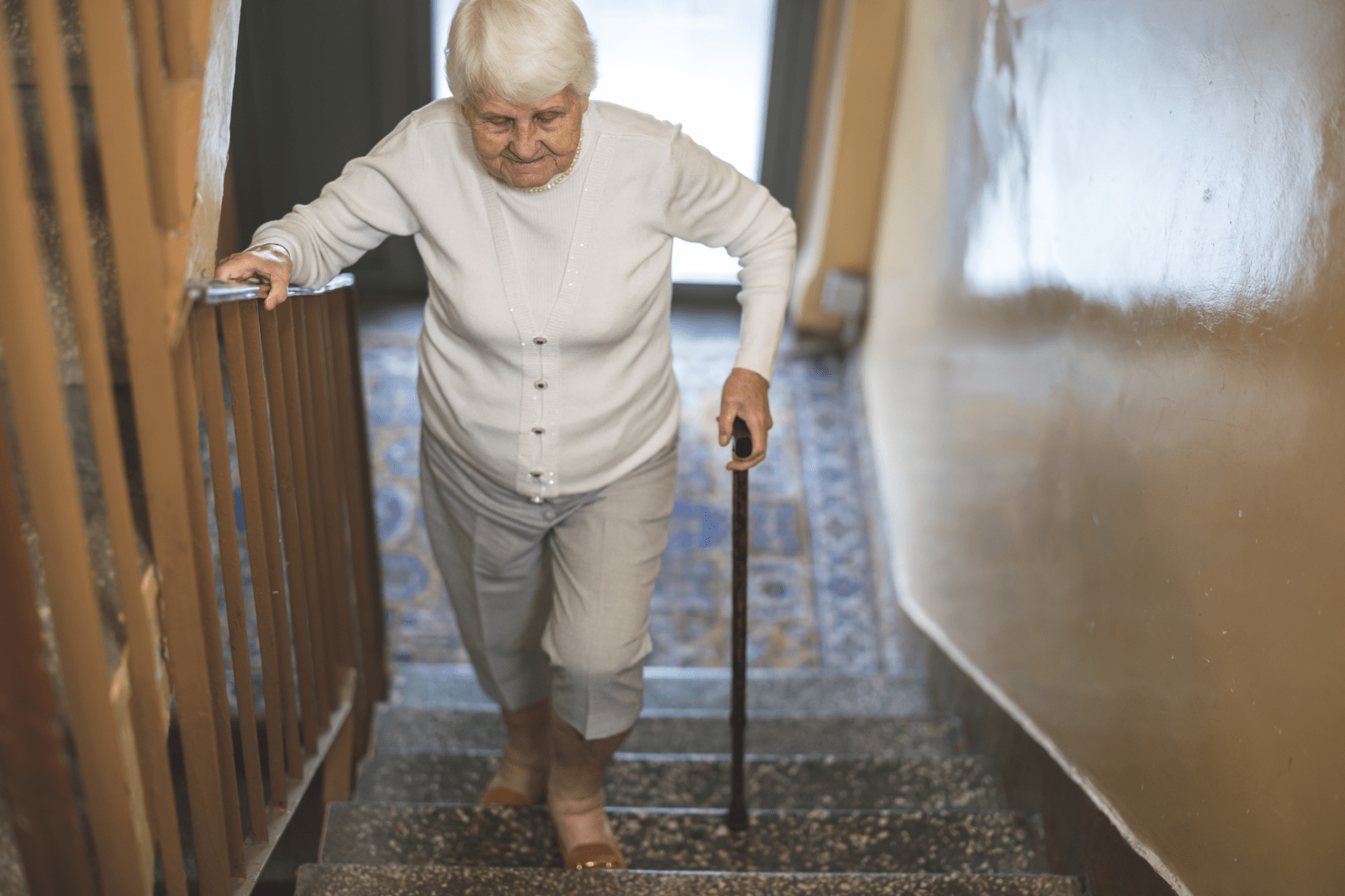
New research highlights that frailty could serve as an early indicator of dementia risk, years before symptoms manifest. Frailty, marked by reduced physical resilience and increased vulnerability to illness, is linked to the earlier onset of dementia. This connection holds true even in individuals with relatively low Alzheimer’s-related brain pathology.
The study, published in the Journal of Neurology, Neurosurgery & Psychiatry, assessed data from 1,614 older adults in the Rush Memory and Aging Project in Illinois. Participants were observed for nearly 24 years, enabling researchers to investigate how frailty impacts the age of dementia diagnosis.
A frailty index was used to measure health and functionality, with scores of 0.25 or higher indicating frailty. Results showed that frail individuals received dementia diagnoses about two to three years earlier than their non-frail counterparts.
Dr. David Ward from the University of Queensland suggests combining regular physical activity, especially strength training, with a diet rich in protein to combat frailty. He also recommends reviewing medications with a doctor and considering improved management of chronic conditions.
Though the study does not establish that reversing frailty prevents dementia, Ward believes maintaining physical health could delay dementia’s clinical onset. This association remains consistent across genders, education levels, and the presence of the APOE ε4 gene, a strong genetic risk factor for Alzheimer’s.
Further analysis involved a subgroup of 906 participants who had brain autopsies posthumously. Among those with low dementia-related brain pathology, frailty correlated with a nearly 10 percent earlier dementia diagnosis. This link was absent in individuals with intermediate or high brain pathology levels, suggesting that frailty may contribute to dementia through separate pathways.
Ward emphasizes that frailty develops gradually, with early symptoms often overlooked. Signs include slower walking speed, decreased strength, reduced activity, persistent tiredness, or prolonged recovery from illness. He advises consulting a doctor if these changes impact daily functioning, as frailty assessments can identify treatable contributors.