
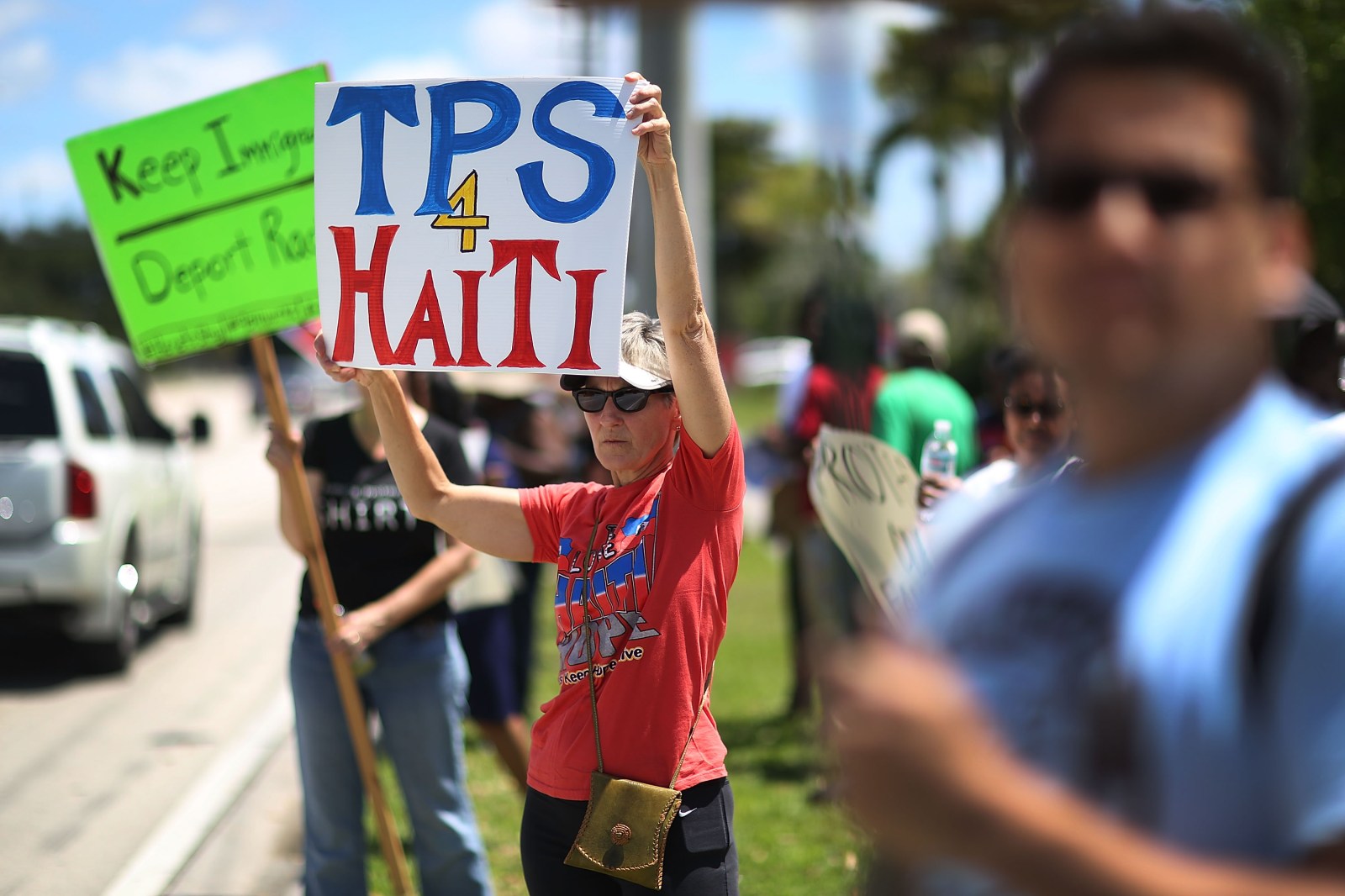
The temporary protected status (TPS) for many Haitians is set to expire, impacting communities across the United States. Florida, in particular, will feel the effects, being home to the largest number of Haitian TPS holders. According to data from FWD.us, around 158,000 Haitians in Florida are covered under TPS. New York hosts approximately 40,000, and Massachusetts about 19,000. Other states like New Jersey, Pennsylvania, and Ohio also have significant Haitian TPS populations.
The expiration of TPS follows a Supreme Court decision supporting the Trump administration’s efforts to end deportation protections and work permits. This decision might affect over 300,000 Haitians. Without TPS, those not qualifying for another status may face deportation proceedings and lose work authorization.
Intent and Impact of TPS
The Department of Homeland Security argues that TPS was always intended as a temporary measure. Following a review of conditions in Haiti, the U.S. Citizenship and Immigration Services, in consultation with other agencies, determined that Haiti no longer fulfills the statutory requirements for TPS designation.
TPS permits individuals from countries affected by extraordinary events, such as conflicts or natural disasters, to stay and work legally in the U.S. temporarily. However, it does not offer a direct path to permanent residency or citizenship.
Economic Contributions and Challenges
Haitian TPS holders significantly contribute to the U.S. economy. FWD.us estimates suggest their contributions amount to $5.9 billion annually, with $805 million in federal taxes and $755 million in state and local taxes. Florida’s economy specifically benefits by approximately $2.6 billion each year due to the presence of around 93,000 Haitian TPS workers in the state.
New York benefits as well, with Haitian TPS workers contributing $863 million annually. Massachusetts sees contributions of about $481 million each year. Ending TPS could economically impact cities and regions reliant on Haitian workers.
In places like Miami, New York, and Boston, the economic input from Haitian TPS holders reaches billions. The potential end of TPS threatens these contributions, especially since instability in Haiti further complicates the situation.
Potential Industry Disruptions
Florida, facing a fast-growing aging population, finds healthcare, agriculture, hospitality, and logistics sectors vulnerable. Losing staff could lead to higher labor costs and staffing shortages, subsequently affecting patient services and consumer costs. Automation or temporary visas might replace some roles, but sectors with persistent labor shortages will feel the impact more acutely.
South Florida, particularly Miami-Dade and Broward counties, could experience significant economic changes. Job losses would reduce local spending, affecting businesses and regional tax revenues.
Government Defense and Recommendations
The Trump administration defends the decision to end TPS. DHS General Counsel James Percival stated that TPS was temporary and urged migrants to take voluntary departure options. A proposed American Dream and Promise Act could offer TPS recipients a path to legal status. Despite support, the measure stalled in Congress.
Concerns grow about potential increased deportations. ICE plans to increase operations targeting Haitians, with potential arrests in Ohio and deportation flights to Haiti. Critics argue that focusing on a specific ethnic group reflects discrimination. While the House passed a measure to extend TPS, it did not advance in the Senate.