
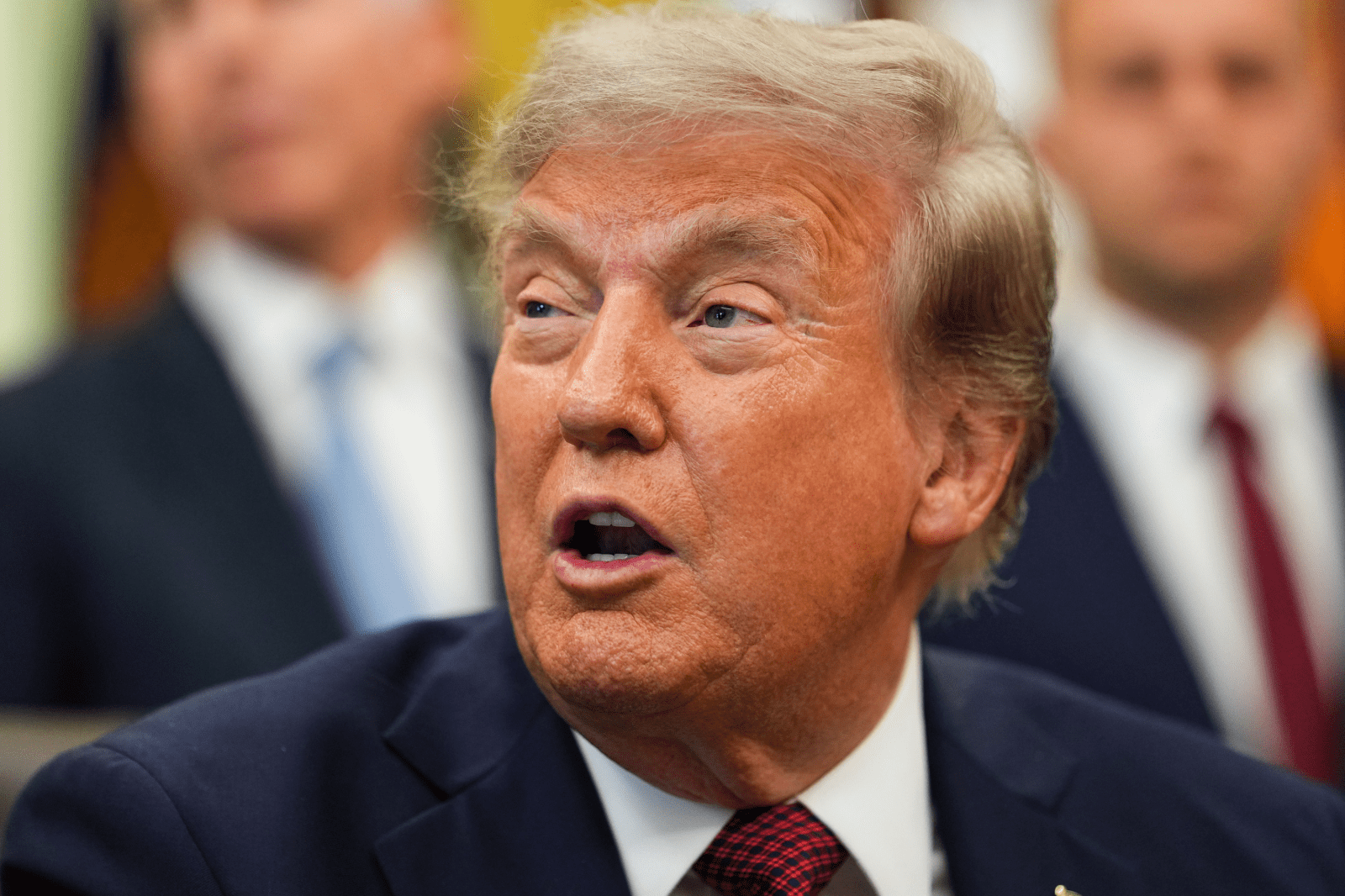
As the 2026 midterm elections approach, independent voters are showing increased dissatisfaction with President Donald Trump, posing potential challenges for the Republican party. Several major polls, including those from YouGov/Economist, Fox News, and Echelon Insights, reveal a decline in Trump’s standing among independents regarding job approval, the economy, immigration, and overall national sentiment.
Democratic candidates are gaining significant traction among independents on the generic congressional ballot, suggesting that displeasure with Trump may translate into broader electoral risks.
Why Independent Voters Are Key
Independent voters often play a decisive role in tight elections. Their shift away from the GOP, with only 100 days remaining before Election Day, could influence the control of Congress. Republican candidates in competitive House and Senate races might encounter a difficult political landscape if the current trend continues.
Understanding the Independent Divide
Independents, unlike strong partisans, are inclined to switch parties and often determine the outcomes in battleground districts. Trends indicate they are increasingly negative towards Trump on four critical measures: job approval, economic approval, immigration approval, and perceptions of the nation’s direction.
The data comes from multiple polling organizations with different methodologies, confirming that this trend is not an anomaly.
The latest Fox News poll, conducted from July 17-20 among 1,003 registered voters, reported a margin of error of ±3 percentage points. The Economist/YouGov survey, taken during the same timeframe with 1,602 U.S. adult citizens, had a margin of error of ±3.3 percentage points. Echelon Insights’ survey from July 9-13 involved 1,004 likely voters and reported a margin of error of ±3.6 percentage points.
Growing Pessimism About the Nation’s Direction
Among independents, optimism about the nation’s trajectory has decreased sharply, while pessimism has risen. In January 2025, 27% of independents told YouGov the country was on the right path, with 56% disagreeing. By July 2026, only 13% believed the country was heading in the right direction, with 72% seeing it on the wrong track.
Echelon Insights reported a similar trend, with right-direction sentiment dropping from 30% to 17%, while wrong-track sentiment rose from 51% to 73%. These indicators often reflect public mood more broadly than standard approval ratings.
Deepening Approval Gap Among Independents
Trump’s approval rating among independents has plummeted across all polling series. YouGov/Economist data shows a drop in net approval from negative 4 points in January 2025 to negative 50 points by July 2026.
Fox News data mirrors this trend, showing Trump moving from negative 23 points in March 2025 to negative 42 points in July 2026.
Echelon Insights highlights the most notable decline, with net approval moving from negative 5 points in January 2025 to negative 51 points in July 2026. Similarly, RealClearPolling’s average of presidential approval surveys places Trump at 41.1% approval and 57.2% disapproval.
Economic Decline
For a president whose strength was his economic management, independents’ approval on economic issues plummeted notably. The YouGov/Economist series indicates a swing from positive 8 points in January 2025 to negative 50 points by July 2026.
Echelon Insights found an even split when Trump began his second term, but net approval fell to negative 51 points by July 2026. Fox News reports a decline from negative 36 points in March 2025 to negative 52 points in July 2026.
These trends are reflected nationally, with RealClearPolling’s numbers showing 37.4% approval and 59.8% disapproval.
Support on Immigration Wanes
Even on stronger issues like immigration, independent support falters. YouGov/Economist data shows a drop in net approval among independents from positive 10 points in January 2025 to negative 31 points in July 2026.
Echelon Insights reflects a shift from positive 5 points at the start of 2025 to negative 32 points by July 2026. Fox News reports a decline from negative 10 points in July 2025 to negative 25 points in July 2026.
Democrats Widen Their Lead
The Democratic lead among independent voters in congressional races has expanded, with the YouGov tracker showing Democrats going from 33% support in February 2025 to 44% in July 2026. Republican support decreased from 25% to 22%. Some surveys report an even wider gap.
This shift among independents in competitive districts could have significant repercussions on the balance of power in Congress.
While none of these indicators guarantee Republican losses, they point towards a consistent dissatisfaction with Trump among independents. Republicans rely heavily on their base, but success in competitive races often depends on winning over voters in the middle.
In response, a White House representative emphasized Trump’s accomplishments, claiming historic progress. Whether voters agree remains a crucial question for the upcoming midterms.