
The Football Association appointed Thomas Tuchel as England’s manager with high hopes in October 2024. The goal was the 2026 World Cup final, aiming to end a 60-year drought since England last won the World Cup. Tuchel replaced Gareth Southgate, after Pep Guardiola opted to stay with Manchester City.
England’s journey did not end at the MetLife Stadium for the final; they are instead in Miami, preparing for a third-place play-off against France. This play-off mirrors a similar obligation faced under Southgate eight years ago with Belgium.
The ambition this time round was high. England’s frustrated semi-final defeat to Argentina dashed hopes, leaving a sense of burden instead of adventure felt previously. Tuchel was brought not to reform English football long-term but to seize the World Cup triumph expressly earmarked for 2026.
“One of the most disgraceful halves of English football history” — Duncan Alexander
Belief that Tuchel would lead England to victory was real. Players were convinced of the plan. Sporting Kansas City’s president, Jake Reid, even joked of commemorative tattoos should England break its trophy drought.
Tuchel retained his position. His contract included clauses to end the partnership if England exited pre-quarter-finals. Nonetheless, despite Guardiola’s availability, Tuchel’s future appears secure.
The journey to the tournament saw Tuchel emphasize building a ‘team’ and ‘brotherhood’. He encouraged commitment, putting collective goals above individual ego.
Selection revolved around unity over talent. Notable omissions included Phil Foden. Central midfield backups and squad cohesion became consequential risks.
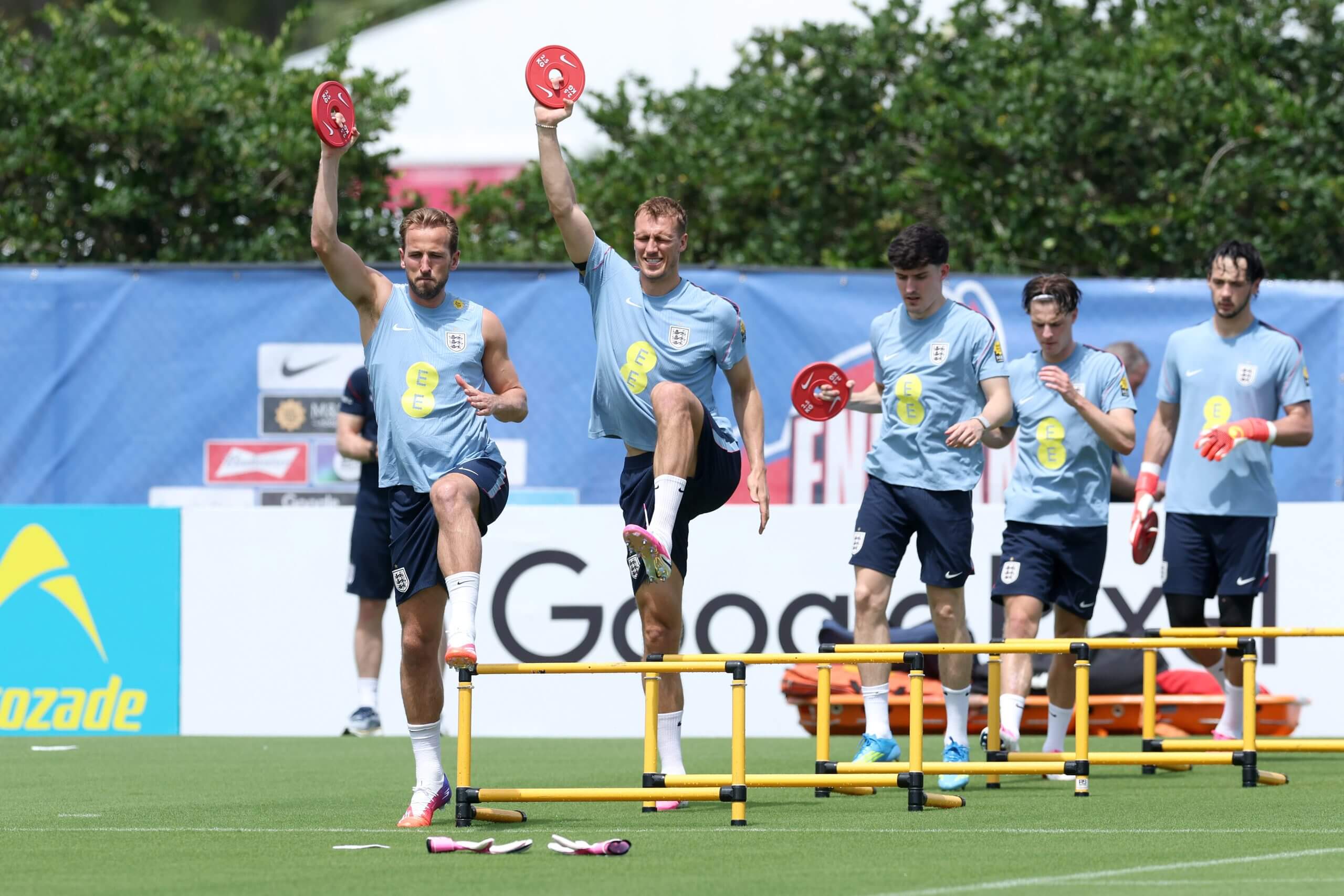
Locating a base camp involved meticulous planning: Kansas City was chosen for training facilities, warmth and convenient transport routes. The ambiance was crafted to feel like home with leisure activities and entertainment.
Challenges emerged despite overall positivity. Security breaches and family separation were hurdles. The squad’s fringe players felt the strain, longing for greater involvement as the campaign unfolded.
Harry Kane embraced his captaincy role, striving to bolster morale, showcasing leadership unseen in previous tournaments. Kane’s legendary status didn’t yield the victorious end envisioned.
Jude Bellingham’s role emerged crucial and complex. His performance drew admiration, even when his public comment hinted at discord amid excellence.
Strategically, Tuchel sought continual improvement, referencing lessons from sport icons. England’s campaign executed plans with mixed results; Croatia showcased optimal football but later matches drifted from desired intensity.
Argentina’s match saw England retreat tactically, met with public disbelief at Tuchel’s decisions. Circumstantial challenges compounded tactical missteps, leveraging Tuchel’s squad choices.
Despite exit frustrations, contract stability underscores that Tuchel will lead England into Euro 2028. Immediate post-tournament reflections highlight complexity beyond tournament stages or results.
Fan perception remains measured, grappling with these ambitions, tactics and outcomes. England’s expectations now pivot towards what the future holds under Tuchel’s continuing leadership.