
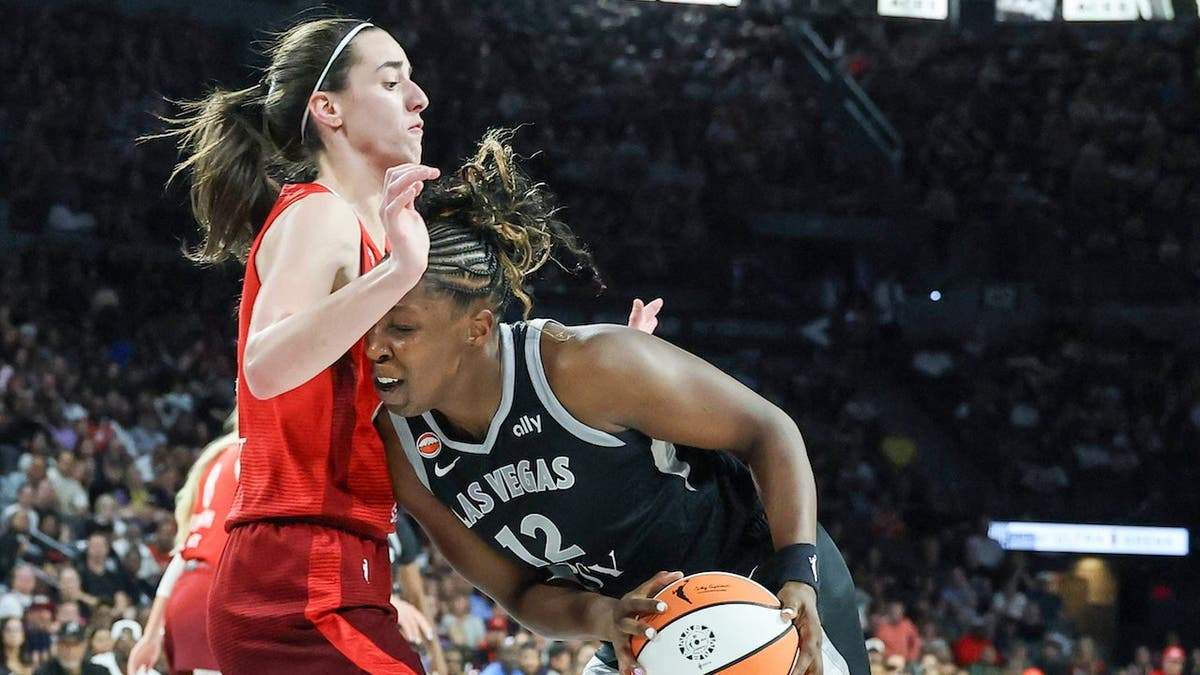
On Tuesday, Hilton Grand Vacations announced it had dismissed an employee accused of sending a racist message to Chelsea Gray, a guard for the Las Vegas Aces, via social media. Gray shared a screenshot of the offensive message on Instagram with a caption expressing frustration over being told to ‘shut up and dribble’.
Hate messages on social media are not uncommon, and the reach of such negativity is widespread. Public figures, especially athletes, are frequently targeted. However, the reaction from some WNBA players suggests a perception that they are uniquely affected by this issue.
The situation surrounding Caitlin Clark illustrates this perception. Despite the widespread problem, some WNBA players, including Gray and Angel Reese, have highlighted their experiences publicly. Reese, in particular, has criticized the league’s efforts in ensuring player safety, pointing out the sharing of private addresses and inappropriate images. Yet, details on how the league can address such issues remain vague.
For instance, in a case involving Caitlin Clark, law enforcement intervened, arresting a man for stalking her after sending numerous threatening messages. This example demonstrates that proper channels, like legal action, can be more effective than public complaints alone.
The broader challenge for these athletes lies in navigating fame. Public figures, including WNBA players and ESPN personalities like Mina Kimes, face backlash and harassment as a consequence of their visibility and influence. Kimes experienced this firsthand following political statements, an incident she linked to harassment incited by media coverage.
Ultimately, engaging with online trolls often elevates their influence. Ignoring these instigators can diminish their impact, although this approach is not always viable. Organizations face difficult decisions over whether to discipline employees for online misconduct, potentially affecting their workforce size.
Athletes must develop resilience while recognizing the obligations and challenges fame brings. The current landscape prompts a reevaluation of how public figures and organizations respond to online hate.