
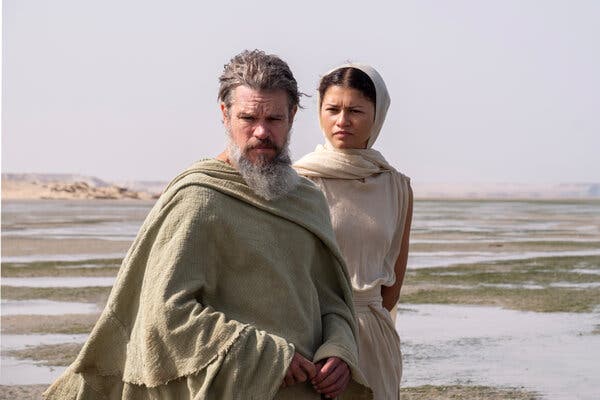
Christopher Nolan is known for bridging the art of filmmaking with blockbuster appeal. His interpretation of The Odyssey highlights his ability to create visually impressive and thought-provoking cinema. In his latest venture, Nolan adapts Homer’s epic into a grand film experience filled with kinetic energy and showmanship.
Throughout his career, Nolan’s films often explore complex narratives and human struggles. With The Odyssey, these themes are present, depicting characters who navigate challenges and push limits. The film reflects Nolan’s commitment to cinema, showing his passion for what movies can be.
The Odyssey, characterized by its nonlinear structure and epic scope, forms a perfect canvas for Nolan. The original poem by Homer comprises thousands of lines that mix gods, monsters, and human drama with layers and complexities familiar in Nolan’s previous work. This adaptation brings the tale, deeply embedded in cultural history, to life.
This film stands out as the first to be shot entirely in IMAX. Nolan brings together stars like Matt Damon as Odysseus and Zendaya as Athena, crafting a polished, smart narrative. The movie captures both Old Hollywood allure and modern sensibilities, particularly when exploring the consequences of war.
In this adaptation, Odysseus is portrayed not only as a heroic and cunning figure but also as relatable. Matt Damon’s portrayal makes him accessible to contemporary audiences, while his family forms a significant focus of the plot. Anne Hathaway plays Penelope, and Tom Holland takes on the role of their son, Telemachus. Nolan’s film gives weight to the domestic struggles often overlooked in such tales.
The story follows Odysseus’s long absence after the Trojan War, a situation that leaves his family in turmoil. The film extends beyond the poem’s focus on Odysseus’s adventures, emphasizing the familial impact of his absence, enriching the narrative and providing a comprehensive look at his journey.