
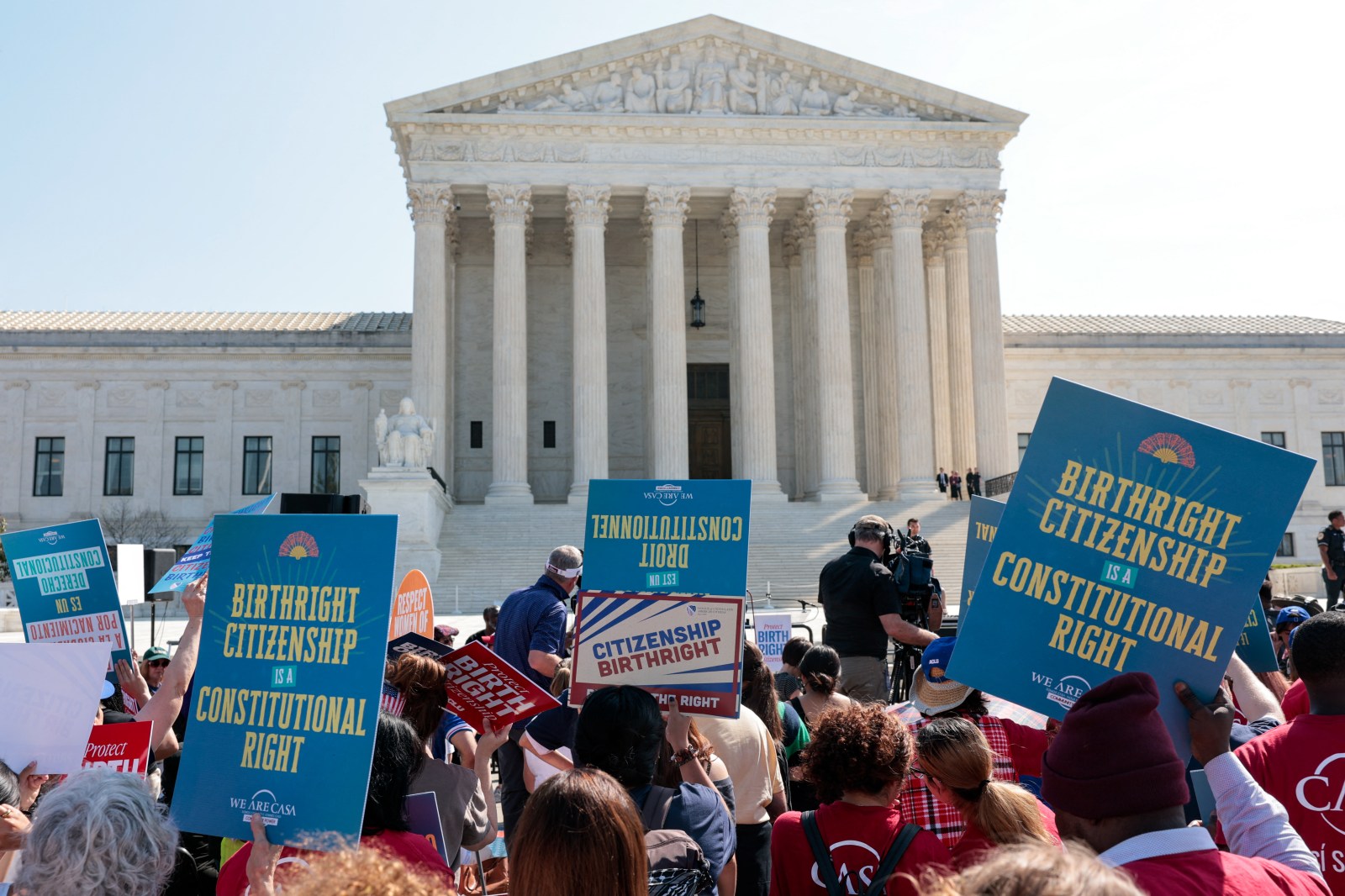
The U.S. Supreme Court recently upheld birthright citizenship with a narrow 5-4 vote. This decision was highly anticipated, reflecting an acknowledgment by the Court of certain limits to its recent conservative shift against longstanding liberal judiciary practices. The ruling avoided a drastic reversal akin to overturning Roe v. Wade, which had extended privacy rights in abortion cases.
This year, the Court had adopted several reactionary rulings. Overturning the constitutional guarantee of citizenship to those born in the U.S. would have been an unprecedented judicial action, negating a well-established right.
The current majority in the Court continues to emphasize traditionalist rights. This year, the Court supported policies limiting rights for gays and immigrants, allowing the Trump administration to restrict asylum and end protections for certain immigrants. It overturned conversion therapy bans, allowed discrimination by businesses against gays, restricted transgender healthcare access, and upheld bans on transgender athletes.
These decisions are part of a broader rollback on liberal policies, including restrictions on abortion, environmental deregulation, and weakening political safeguards against oligarchy. Recently, the Court facilitated the influence of money in politics and increased the president’s power to dismiss federal employees.
Chief Justice John Roberts wrote the opinion preserving birthright citizenship. The Trump administration’s challenge contradicted a core legal concept—who is American. Trump argued the phrase “and subject to the jurisdiction thereof” in the Constitution excluded children of illegal immigrants. Historically, this clause applied to diplomats, invaders, and recognized tribes, not ordinary immigrants.
The Court rejected this reasoning, recognizing it as unsound. This decision suggests some commitment to non-partisanship. However, the broader conservative movement persists, aiming to reverse progress.
The upcoming midterms present potential challenges. Trump’s continual rhetoric of election fraud lacks substantive evidence. The Court has a role in ensuring the integrity of these elections. Ensuring adequate judicial resources post-election is necessary, as is avoiding dismissals of cases on procedural grounds.
The Supreme Court must firmly address fraud claims, clarifying their validity. Doing so could prevent further erosion of trust in American democracy. A clearer stance in the aftermath of the 2020 elections might have prevented the Capitol attack.
Thomas G. Moukawsher, a former Connecticut judge and author, emphasizes these points. His views advocate for judicial efficiency and public confidence in the electoral process.