
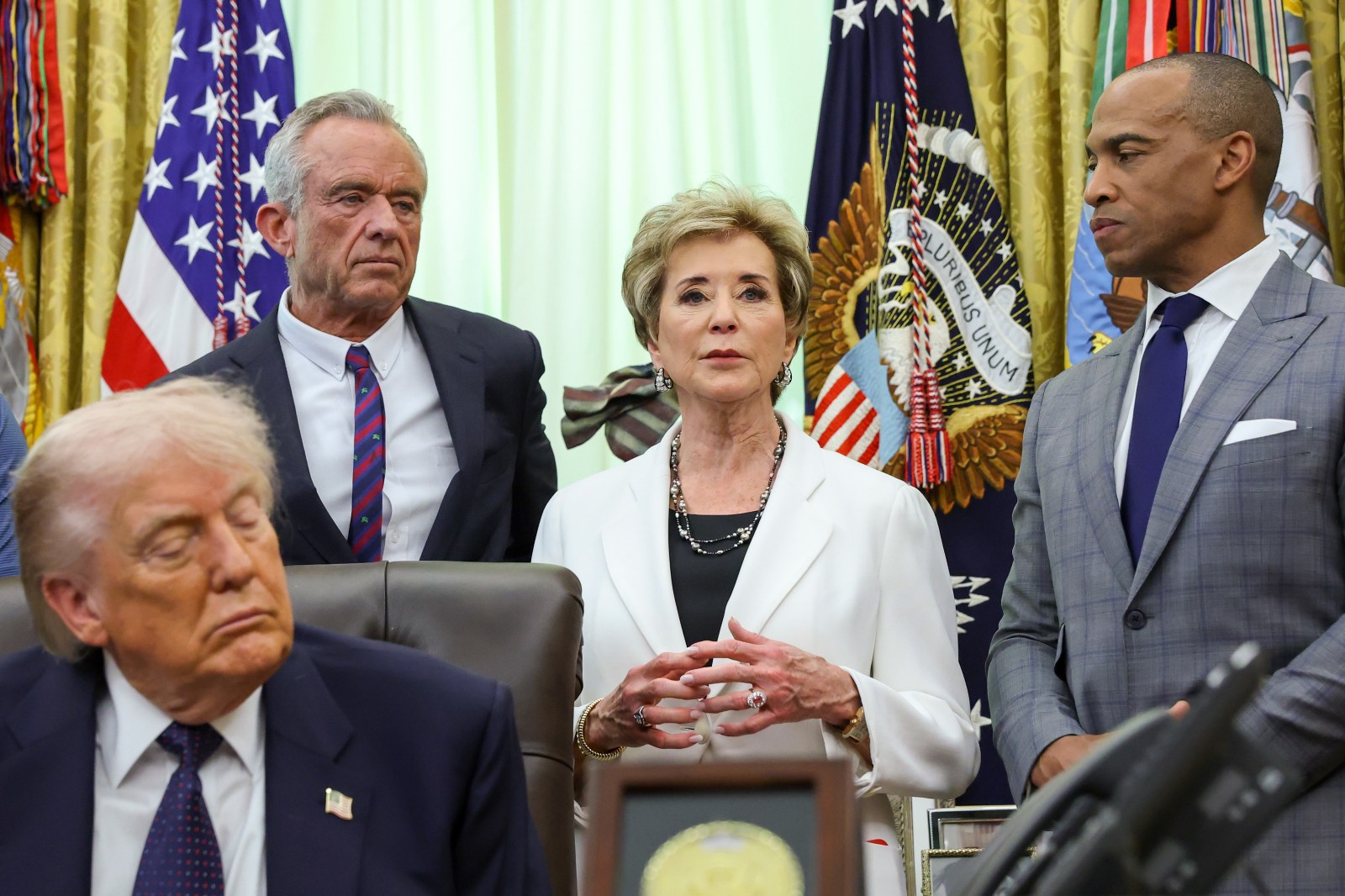
Starting July 1, millions of American federal student loan borrowers will experience significant changes in borrowing, repayment, and forgiveness options. These changes come in response to new federal regulations linked to President Donald Trump’s One Big Beautiful Bill Act, representing a major shift in the U.S. student loan system.
Importance of the Changes
Over 40 million Americans owe federal student loan debt. Experts suggest the new regulations might drastically modify monthly payments, borrowing choices, and repayment terms. Some individuals may face larger monthly payments or reduced forgiveness avenues, while new borrowers will encounter tighter borrowing limits.
Key Changes Effective July 1
1. New Repayment Assistance Plan (RAP) Launches
The Repayment Assistance Plan, an income-driven repayment choice, will debut with payments pegged at 1% to 10% of income, relative to earnings. Loan forgiveness becomes possible after 30 years, and advantages include interest support and incentive-based principal reductions. RAP will replace many existing income-driven plans, but costs may rise over time.
“With many of those plans officially being phased out, July 1 will mark the start date for the alterations passed through the One Big Beautiful Bill Act,” Alex Beene, a financial literacy instructor, explained.
2. Termination of the SAVE Plan
The Biden-era SAVE plan is ending due to legal rulings and a federal settlement. About 7 million borrowers must switch plans. Starting July 1, loan servicers will begin dispatching 90-day notices. Borrowers not electing a specific plan will default to a standard repayment plan, potentially increasing monthly payments.
3. Phase-Out of Income-Driven Plans
Several established repayment plans will cease new enrollments. Alongside SAVE, PAYE, and ICR plans will close to new borrowers on July 1 and phase out by 2028. IBR remains a mainstay for existing borrowers, while RAP and standard plans will become central options for newcomers.
4. Stricter Borrowing Limits
New borrowing caps will be put in place. Parent PLUS loans have a $20,000 yearly cap and a $65,000 lifetime cap per student. Graduate and professional student loans are capped at $20,500 annually with a $100,000 lifetime limit. This might push families towards private loans with higher interest rates.
“The higher interest rates being charged will come at a significant cost for those borrowing money, and the caps on the amounts borrowed will force many to forgo higher learning or take on private loans with higher rates,” said Kevin Thompson, CEO of 9i Capital Group.
5. Grad PLUS Loans Eliminations
New borrowers in graduate programs will not have access to Grad PLUS loans from July 1 onward. However, current borrowers can continue under existing terms in certain instances.
6. Amendments to Public Service Loan Forgiveness (PSLF)
The PSLF program will see modifications in employer qualification criteria. Some organizations may not qualify towards forgiveness eligibility, as the Education Secretary can disqualify any employer with a “substantial illegal purpose”.
7. New Interest Rate Incentive for Auto-Pay
The Department of Education announced a 1% interest rate reduction for borrowers using auto-pay. “The Trump Administration is making student loan repayment easier than ever, and borrowers should not wait to take advantage of this temporary interest rate reduction,” stated Under Secretary of Education Nicholas Kent.
The incentive is available until June 30, 2028, for eligible borrowers.
What Happens Next
Borrowers, particularly those in the SAVE program, will receive notifications starting July 1. They typically have 90 days to choose a new repayment plan. Inaction could lead to automatic enrollment in a standard plan, which might result in higher payments and fewer advantages.