
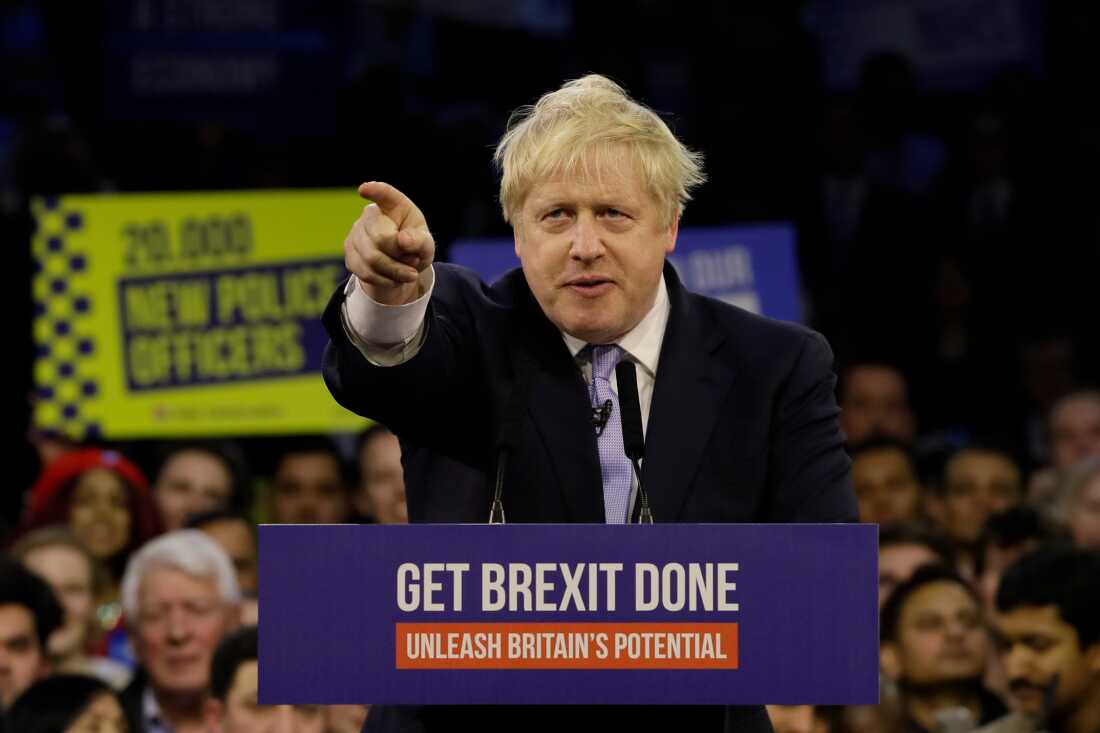
On December 11, 2019, Prime Minister Boris Johnson addressed his Conservative Party’s final election rally at the Copper Box Arena in London. This marked another chapter in the ongoing saga of Brexit, which fractured the European Union and disrupted British political stability. The UK is approaching its seventh prime minister since June 23, 2016, when 52% voted to leave the EU after more than four decades of membership.
David Cameron, then the Conservative Prime Minister, initiated the referendum but resigned immediately after campaigning for the UK to remain. His successors have struggled to manage the aftermath. The most recent, Labour’s Keir Starmer, announced his resignation after two years marred by economic stagnation, governmental dysfunction, and a disillusioned electorate. These are, in part, Brexit legacies. Although the decision rarely makes headlines now, “the subterranean trace of Brexit” still influences Britain’s turbulent politics, says Chris Grey, an academic researching the effects of Brexit.
The Brexit Campaign’s Emotional Appeal
Brexit advocates promised that leaving the EU would allow the UK to regain control over its laws, economy, and borders. While the “remain” campaign highlighted economic risks, the “leave” side appealed emotionally. Boris Johnson, a leading Brexit proponent who later became Prime Minister, spoke of promising future opportunities. Margaret MacMillan, a history professor, noted Brexit’s motivations included nostalgia for an idealized past and resistance to immigration and EU regulations.
Challenges in Implementing Brexit
Brexit’s promises soon clashed with reality. Negotiations were lengthy and contentious, culminating in the UK formally leaving on January 31, 2020. Theresa May resigned in 2019 after failing to secure agreeable exit terms. Boris Johnson succeeded her and vowed to “get Brexit done.” Though he managed a minimal trade deal, UK-EU relations remain strained. His successor, Liz Truss, served a brief term of 49 days, while Rishi Sunak improved EU relations but made no significant changes.
Starmer attempted a political “reset” but dismissed rejoining the EU’s single market. As he exits office, Brexit remains unresolved, untouched by major policy shifts.
Political Party Fractures
Historian Anthony Seldon pointed out that David Cameron’s referendum aimed to settle Conservative disputes over EU relations but had the opposite effect. Many pro-EU Conservatives were marginalized by Brexiteers, and Labour faces its own internal divisions on Europe. Voter disillusionment has driven some from traditional parties to alternatives like the Green Party and Reform UK, led by Nigel Farage. Farage continues to capitalize on Brexit-related grievances, shifting his anti-immigration stance to asylum issues.
Growing Cynicism and Political Violence
The economy’s struggles involve more than Brexit, encompassing the COVID-19 pandemic, the Russia-Ukraine conflict, and Middle East tensions. Political transparency has been lacking, with leaders not candid about fiscal constraints, leading to public disappointment. Brexit also failed to ease immigration debates, with rising net migration intensifying tensions. Cynicism and distrust in politicians have risen, with some inciting anti-immigrant violence.
Chris Grey observed eroding boundaries between conventional politics and street violence since Brexit, suggesting a significant shift in British public life.
Reflecting on Brexit
Polls reveal some “Bregret,” with a recent Ipsos survey showing 52% favoring rejoining the EU. Recent rallies, though smaller than those of the past, indicate continuing public sentiment. For many, moving forward seems preferable, yet Brexit remains politically sensitive. Even considering rejoining the EU would be a complex, drawn-out process.
Grey believes that unless politicians confront Brexit’s legacy, the UK will continue experiencing a “low-grade crisis.” The issues stemming from Brexit need addressing to restore national stability and vitality.