
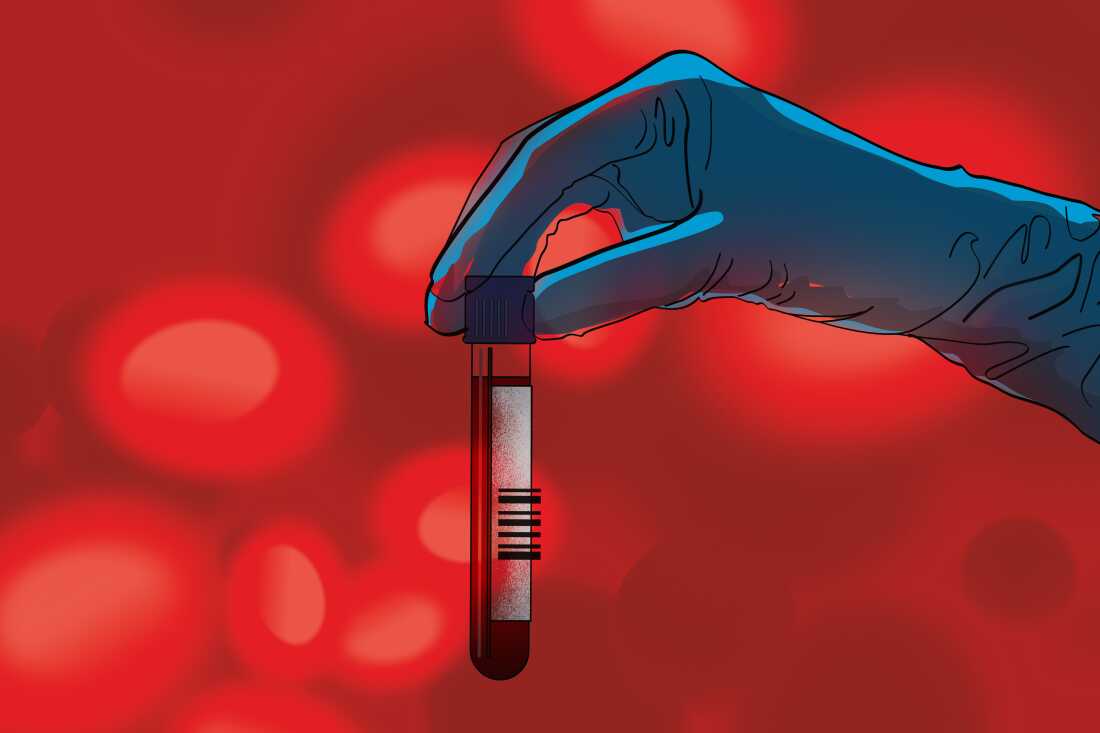
Upcoming blood tests have the potential to transform cancer care significantly. These tests, which include the FDA-evaluated Galleri, can detect multiple types of cancer from one blood sample. Though they don’t diagnose cancer, they indicate where further examination is needed. The Food and Drug Administration may approve Galleri soon, which could make it widely accessible.
Presently, people in the U.S. commonly undergo screenings for breast, colon, cervical, prostate, and lung cancers. Each requires separate procedures like scans or exams. In contrast, Galleri can identify markers for up to 50 cancers using one vial of blood. Similar tests, like Cancerguard by Exact Sciences, are available under special FDA regulations but await full approval for broader insurance coverage.
Megan Hall from Grail, the company behind Galleri, highlights a shift in cancer screening from focusing on individual cancers to simultaneously detecting multiple types. Successful advocacy has led to government coverage options, allowing Medicare to reimburse costs for these tests starting in 2028. Galleri’s retail cost is $950, while Cancerguard costs $659.
Grail is conducting large-scale studies to validate the Galleri test. A U.K. study includes 142,000 NHS patients, and a North American study involves 35,000 participants. Results from these studies show promising trends, such as a 26% reduction in Stage IV cancers in some cases.
The Galleri test aims to complement existing screenings rather than replace them. Legislation passed by Congress supports this use, ensuring that traditional tests remain vital. For those concerned about cancer, how soon this new technology evolves is crucial. The tests promise accessibility and ease but require further development to enhance their sensitivity and accuracy.
Oncologist Arif Kamal from the American Cancer Society notes the competitive landscape among companies refining these tests. Current blood tests help oncologists determine treatment plans and monitor patients. Specialist Jonathan Goldman uses blood tests to manage lung cancer patients by gauging treatment effects and understanding genetic types for better treatment selection.
Future blood tests might predict cancer occurrence before symptoms arise. While not currently a diagnostic tool, the Galleri test identifies cancer markers and informs doctors where to conduct detailed exams. This innovation, coupled with treatment advances, makes early-stage cancer detection more pivotal, improving survival chances significantly.