
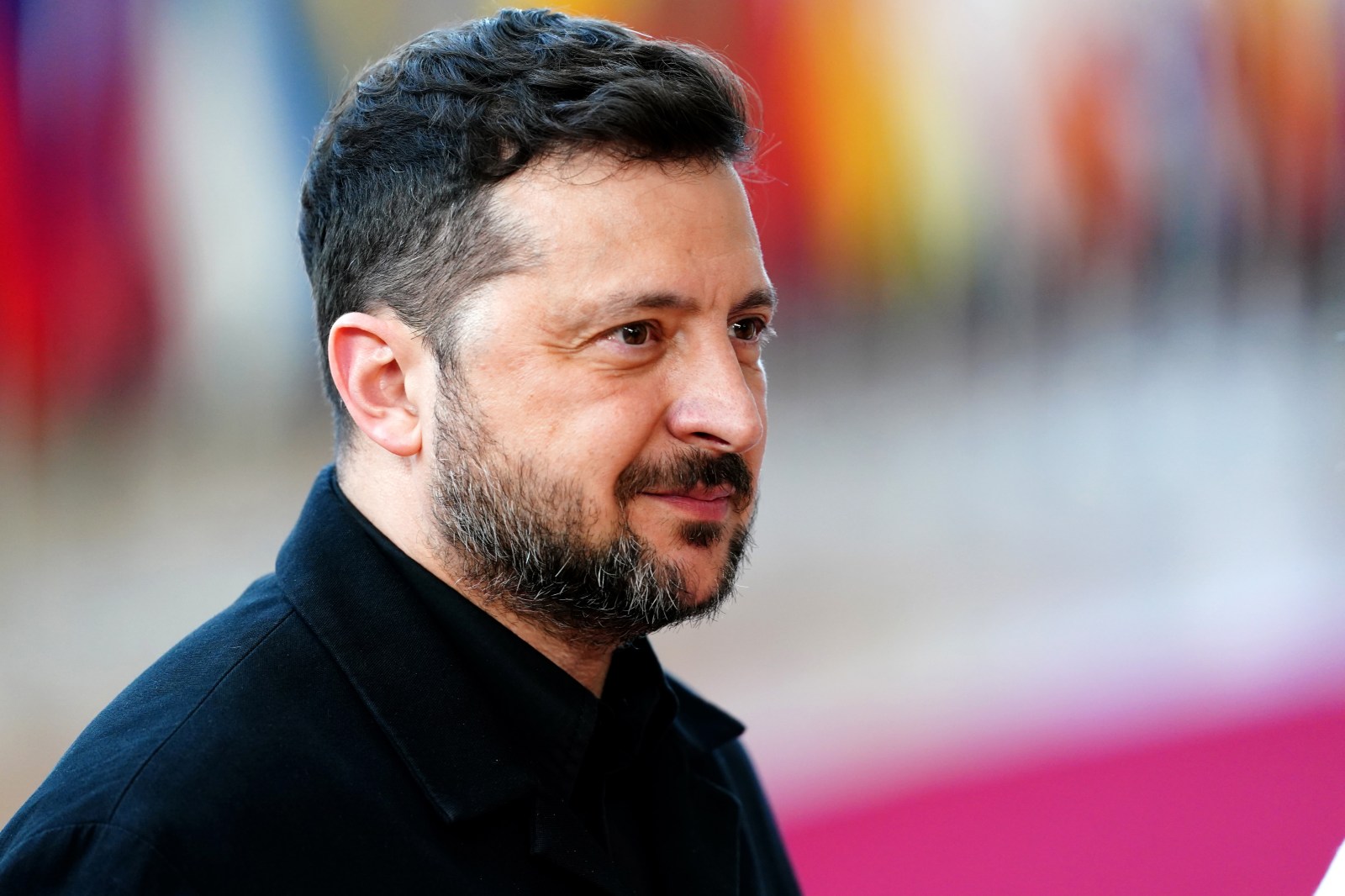
Poland has decided to remove the prestigious Order of the White Eagle from Ukrainian President Volodymyr Zelensky. This action follows after Zelensky agreed to rename a Ukrainian military unit in honor of the Ukrainian Insurgent Army (UPA). The UPA is a controversial group responsible for the massacre of Polish civilians during World War II.
The decision by Polish President Karol Nawrocki has stirred diplomatic tensions between Poland and Ukraine. These developments may aid Russian President Vladimir Putin, who has long labeled Zelensky and Ukraine as Nazis. Ukraine’s Foreign Minister, Andriy Sybiha, criticized the decision, stating it benefits Moscow’s agenda. He described it as a strategic mistake.
The potential for a diplomatic dispute increases between the two nations, historically aligned against Moscow, especially following Russia’s invasion of Ukraine in 2022. This tension arises before a planned conference in Poland focused on Ukraine’s reconstruction.
The Historical Context
Poland and Ukraine have cooperated closely with each other, confronting Moscow as a shared adversary. Over time, public sentiment in Poland toward Ukraine changed due to various factors, including immigration and trade issues.
The World War II massacres add another layer of complexity. Through 1943 to 1945, the UPA and similar forces were involved in the Volhynia massacre, killing approximately 100,000 Polish civilians, according to Polish historians.
Interactions and Reactions
Nawrocki’s statement explained the revocation was not meant to alienate the Ukrainian populace or alter Polish security policy. But many in Poland, across various political lines, expressed their dissatisfaction with Kyiv’s decision to honor the UPA. A survey by SW Research showed 51.9 percent of Poles viewed Ukraine and Zelensky less favorably following this decision.
In a social media post, Sybiha expressed Ukraine’s disappointment with Poland’s decision to escalate the situation. He firmly opposed any interference in Ukrainian history.
Putin’s Narrative
Russia’s President Putin consistently portrays Ukraine and its leadership as Nazi sympathizers. Since Russia’s comprehensive invasion in 2022, Putin justified his actions by claiming he aimed to ‘denazify’ Ukraine, alleging it was controlled by extremists. His portrayal aligns with Soviet-era propaganda, framing Nazism as a threat to Soviet identity.
A study by RAND, anticipated in 2025, outlines Russia’s propagation of extremist narratives, including the ‘Nazi Ukraine trope’ online. Despite Ukraine’s minor far-right groups and history of antisemitism, these narratives remain tangential politically.
The ongoing friction over history between Ukraine and Poland potentially reinforces Russian messaging, at a time when Ukraine seeks continued support from Western allies.