
Impact of SNAP Changes on Children in the U.S.
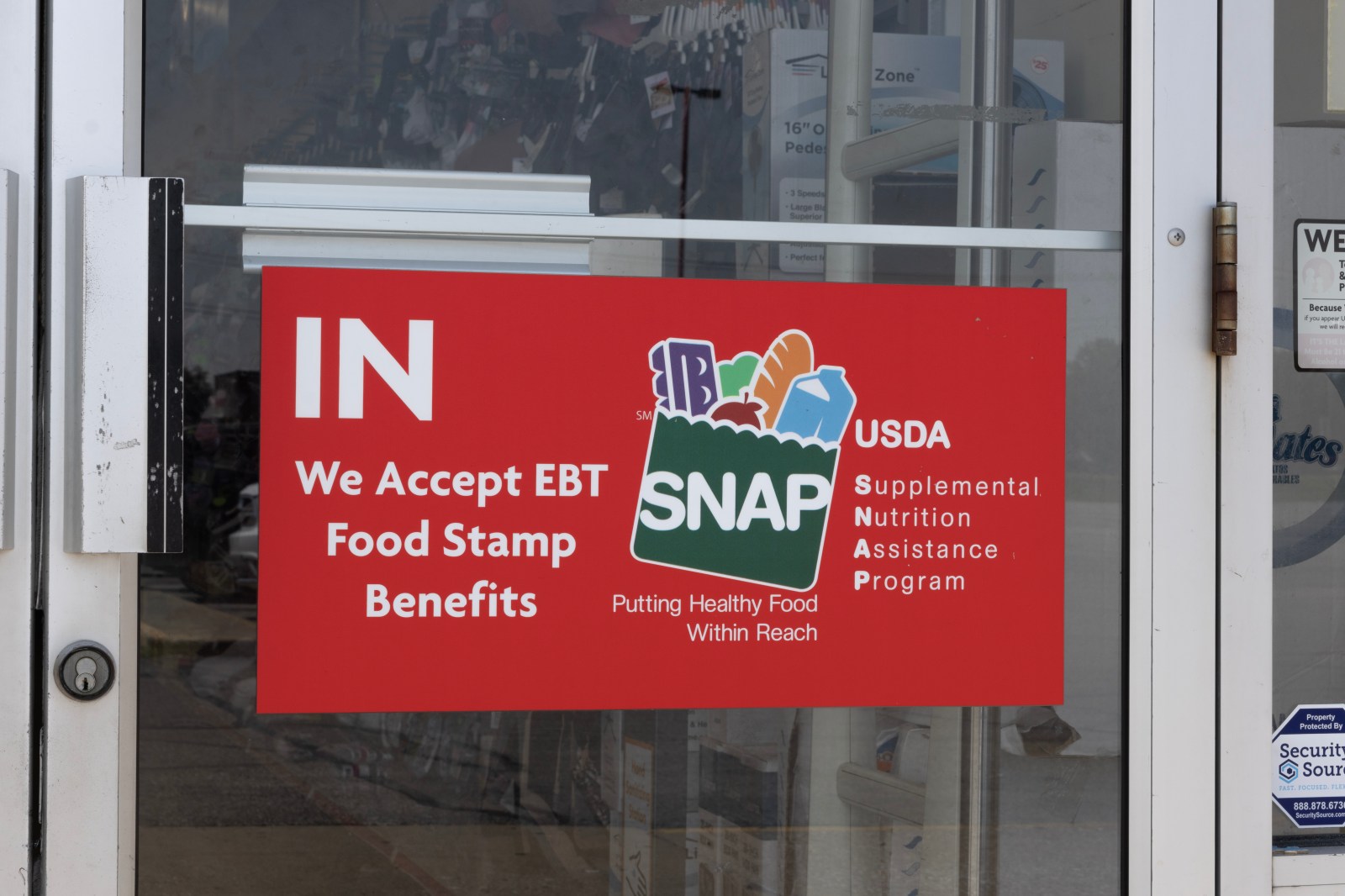
Recent reports from ProPublica and the Center on Budget and Policy Priorities reveal that hundreds of thousands of children in the United States have lost access to food assistance under the Supplemental Nutrition Assistance Program (SNAP). A significant decline in participation among children follows federal changes to the program, enacted in 2025 during the Trump administration.
Federal Changes and Their Impact
The Trump administration aimed to reduce waste, fraud, and abuse in government programs. Stricter eligibility standards and expanded work requirements were introduced, reducing federal support to states administering programs like SNAP. According to Kevin Thompson, CEO of 9i Capital Group, these measures, intentional or not, have led to a large number of Americans losing access to essential benefits.
Why It Matters
SNAP serves as the largest anti-hunger program in the U.S., supporting tens of millions, especially families with children. It has been linked to reducing poverty and food insecurity, improving health outcomes. The recent reduction in benefits raises concerns about the long-term effects on low-income American families.
Extent of the Loss
ProPublica’s analysis shows 776,000 children in 12 states have lost SNAP benefits. This group represents 46 percent of the total decline in SNAP enrollment in these states. Similarly, CBPP estimates over 700,000 children have lost benefits. Nationwide, SNAP participation has decreased by millions. Partial data suggests the true national figure could be even higher.
“These are people who need and rely on this food assistance to provide basic nutrition for their families,” said Representative Jim McGovern, questioning the decline in SNAP participation.
Analyzing State Data
ProPublica examined the 12 states providing age-specific SNAP participation data. They compared enrollment before and after the 2025 changes. The H.R. 1 budget cut SNAP funding by $187 billion through 2034, marking a 20 percent reduction, the largest in the program’s history.
According to Alex Beene, a financial literacy instructor, extensive work rules, more paperwork, and state staffing shortages have pushed families out of SNAP, affecting children who were not intended to be targeted by the changes.
Children and SNAP Losses
The CBPP analysis shows children make up nearly half of the 1.6 million-person drop in participation in those states. The decline is attributed to barriers enacted under H.R. 1, not due to reduced demand.
The 2025 law required states to cover part of SNAP costs for the first time. States face financial penalties tied to payment error rates, prompting tighter eligibility and delayed approvals. Changes have made applications harder, increasing denials and delays even for eligible families.
State Declines
Arizona saw a major decline with a 55 percent drop in child participation. Louisiana experienced a 22 percent decrease. These declines highlight the significant impact of the federal changes on state programs.
Consequences for Children
The loss of SNAP benefits could have widespread long-term effects. SNAP participation is linked to improved health, so diet-related illnesses may rise in children who miss these benefits.
Kevin Thompson expressed concerns about increased poverty and its social challenges, including crime, housing instability, and poor educational outcomes. Economic hardships rarely affect just one generation.
Educational impacts are another concern. Lack of nutritious food affects cognitive development and school performance, potentially reducing long-term earning potential.
Reduced SNAP eligibility might also affect access to WIC benefits and free or reduced-price school meals, as these programs often have interlinked eligibility criteria.
Future Prospects
The full impact of the 2025 law may not yet be clear. Some provisions are not fully implemented. States will face new financial obligations in 2027, possibly leading to further restrictions on SNAP access.
“The long-term consequences are much bigger than one missed meal, as childhood hunger is linked to poorer health and weaker academic performance,” Alex Beene underscored the broader implications.