
Federal prosecutors from the Department of Justice’s Civil Rights Division filed a motion seeking to join an existing class-action lawsuit against Evanston’s ‘Local Reparations Restorative Housing Program’ on Tuesday. The DOJ claims the Chicago suburb’s initiative unlawfully distributes public benefits based solely on race and ancestry.
Assistant Attorney General Harmeet K. Dhillon stated in the filing, “There are sound ways for a city to remedy past discrimination or direct resources to its most vulnerable citizens and neighborhoods. Simply handing out money based on race, however, is not the answer. It is race discrimination, pure and simple. And it is illegal.”
The program, approved by Evanston in 2019 and launched in 2021, provides eligible Black residents or their descendants with $25,000 grants. These funds can be used toward home purchases, mortgage assistance, property repairs, or as direct cash payments. To qualify, individuals must be Black, have lived in Evanston as adults between 1919 and 1969, or be a direct descendant of someone who lived in the city during that period.
The DOJ’s proposed complaint argues the program violates the Equal Protection Clause of the Fourteenth Amendment and the Fair Housing Act by distributing housing-related financial assistance based on race.
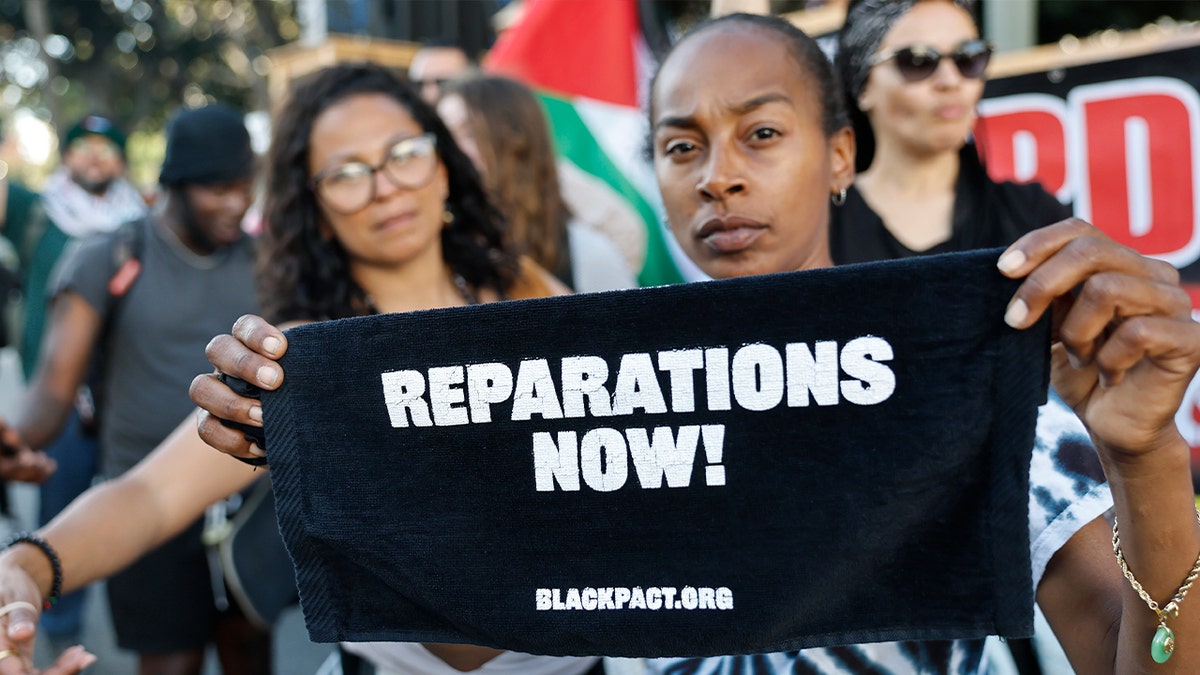
This initiative is at the center of a national dialogue on racial reparative justice. Supporters see it as a blueprint to address generational economic inequality. However, the federal government contended it was not “narrowly tailored” because it used race as the only qualifying factor without requiring proof of personal harm from city policies.
The lawsuit began in May 2024 when Judicial Watch filed a class-action suit on behalf of six non-Black descendants of Evanston residents, claiming they were unconstitutionally excluded from the program. In March, U.S. District Judge John F. Kness denied a motion to dismiss the case, allowing it to proceed, and the DOJ launched its own civil rights investigation into the city’s practices.
By now, Evanston has distributed over $7 million from a $20 million fund, financed by a local tax on legal recreational marijuana sales. In a recent announcement, the city’s Reparations Committee issued $25,000 payments to 44 more residents.
Following the DOJ’s intervention, the City of Evanston reiterated its belief in the program’s legality but declined further comment on the ongoing trial. Other U.S. cities and states, including Illinois, are contemplating similar reparations initiatives. Chicago’s Mayor Brandon Johnson introduced “Repair Chicago,” an effort to gather experiences from Black residents to support future reparations.