
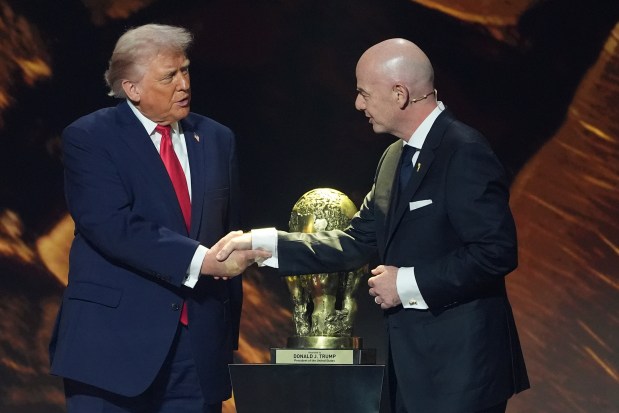
In a snowy January morning gathering, city leaders and mayors congregated in Washington. They were anxious about the federal government’s intensified immigration enforcement. These tensions included the fatalities of two U.S. citizens in Minneapolis. Amidst this concern, FIFA President Gianni Infantino addressed them at the National Conference of Mayors.
Infantino attempted humor, suggesting the U.S. would be conquered by soccer. This remark was linked to the upcoming World Cup, hosted by the U.S., Mexico, and Canada. Despite mixed reactions, Infantino has allied with President Donald Trump, creating recognition for their cooperation. Infantino, however, faces skepticism from various quarters due to controversial FIFA actions in the past.
Ticket Price Criticism
There is bipartisan unease over the World Cup ticket prices. Leaders like Zohran Mamdani of New York and Karen Bass of Los Angeles, among others, have raised concerns. New York and New Jersey officials have even begun investigating these ticket prices. This issue spans across party lines. Even Trump criticized the high ticket costs, highlighting disparities in FIFA’s engagement with regular people.
Political Challenges for Infantino
Infantino is navigating a challenging U.S. political landscape. Some lawmakers acknowledge his efforts to engage with the Trump administration. The World Cup is part of Trump’s strategy to bolster his image. It kicks off a series of events, culminating with the 2028 Olympics in Los Angeles. These events unfold amid Trump’s controversial immigration policies and declining approval ratings.
Balancing Immigration and Global Sports
Despite controversies, the administration aims to be welcoming to World Cup visitors. They’ve suspended certain entry fees for qualifying countries. Yet, they maintain a firm stance on immigration policy, complicating efforts at hospitality. This includes potential actions by Homeland Security against cities opposing Trump’s policies.
As the U.S. approaches this major soccer event, the focus remains on how these intersections will play out. The World Cup is seen by some as a chance for healing, though it also intensifies debates on access and rights.
For Americans, the World Cup mirrors national divides. Polls show differing levels of interest among political groups. However, proponents hope the games will foster unity amidst political discourse.