
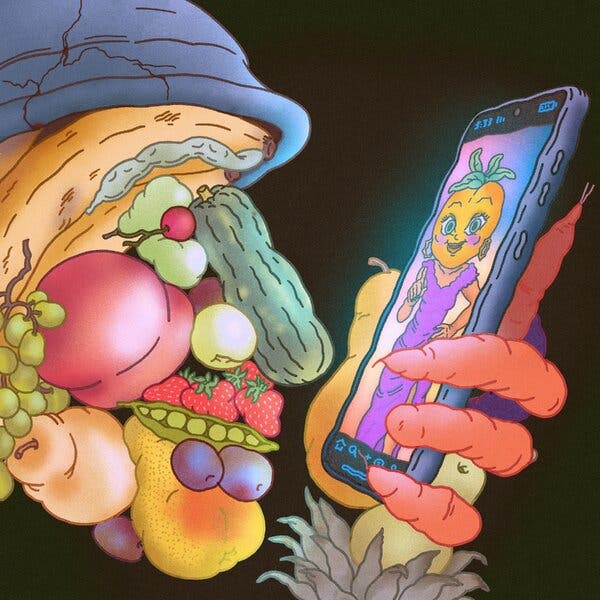
In recent months, social media has witnessed a curious phenomenon. A TikTok account named ai.cinema021 released over 20 episodes of a peculiar A.I.-generated show titled ‘Fruit Love Island.’ This series featured humanoid fruit characters involved in a ‘dating’ show. The fruit characters were strangely sexualized, sporting exaggerated features like muscular physiques or prominent body shapes. Their conversations were a mix of clichés and alien-like dialogues, resembling how a television might mimic human speech by observing other TVs. For instance, Bananito states, ‘I’m here to have fun and probably break a few hearts,’ to which Orangelo responds with laughter, saying, ‘Bro said the quiet part out loud.’
The show was notable for its numerous continuity errors. Characters would change outfits inexplicably, or the setting would shift between scenes. Episodes frequently included gratuitous backflips performed by the fruits. For frequent consumers of A.I.-produced content, often dismissed as ‘slop,’ such features are not surprising. However, ‘Fruit Love Island’ stood out within this category, achieving viral status. Each episode garnered over 10 million views, a testament to its widespread reach. This viral success led to the creation of related content, such as ‘Fruit Paternity Court’ and a drama involving pregnant broccoli.
This widespread attention could be attributed to two factors. Either audiences genuinely enjoyed ‘Fruit Love Island’ and shared it enthusiastically, or viewers found it displeasing and felt compelled to share it for its perceived inadequacy. The collective response leaned towards the latter, where emotions of disapproval prompted individuals to share and discuss it, contributing to its viral status. Consequently, algorithms picked up on this engagement, further promoting the content globally.
Critics argue that these fruit videos signal a decline in internet culture. Transforming an already trivial reality show, ‘Love Island,’ into its A.I. version made it appear even less substantive. A stark example is illustrated in a BBC News headline: ‘Think Love Island Is Bad? Wait Until You See the A.I. Fruit Version.’ ‘Fruit Love Island’ condensed the superficiality of reality television into an even shorter format, turning into ideal material for social media clips and TV mentions.
This development highlights a curious potential benefit of A.I.-created content, often referred to as slop. Social media platforms are inundated with such material, from surreal imagery to bizarre propaganda styled like Lego sets. The collective disdain for A.I. content may ironically serve as a unifying factor. Recognizing a piece of media as A.I.-produced often triggers a negative reaction from users. The widespread presence of slop, coupled with a consistent public response, is reshaping a collective cultural baseline, a vital component for societal cohesion.
Revisiting the concept of monoculture, we recall when television, film, and music reached broad audiences simultaneously, forming a communal cultural experience. Back then, discussing a character like Steve Urkel from ‘Family Matters’ could immediately evoke recognition and response. In today’s algorithm-driven entertainment world, that shared experience feels lost. There is a yearning for the sense of belonging that monoculture provided, despite its often simplistic nature.
The pinnacle of monoculture was during network television’s dominance from the 1950s to the 1990s. During this period, a few broadcast channels captivated tens of millions nightly. Prior to devices like TiVo, audiences watched the same shows, at the same time, creating a unified viewing experience. These programs aimed to attract the broadest viewer base, often sacrificing artistic quality in their quest for mass appeal.