
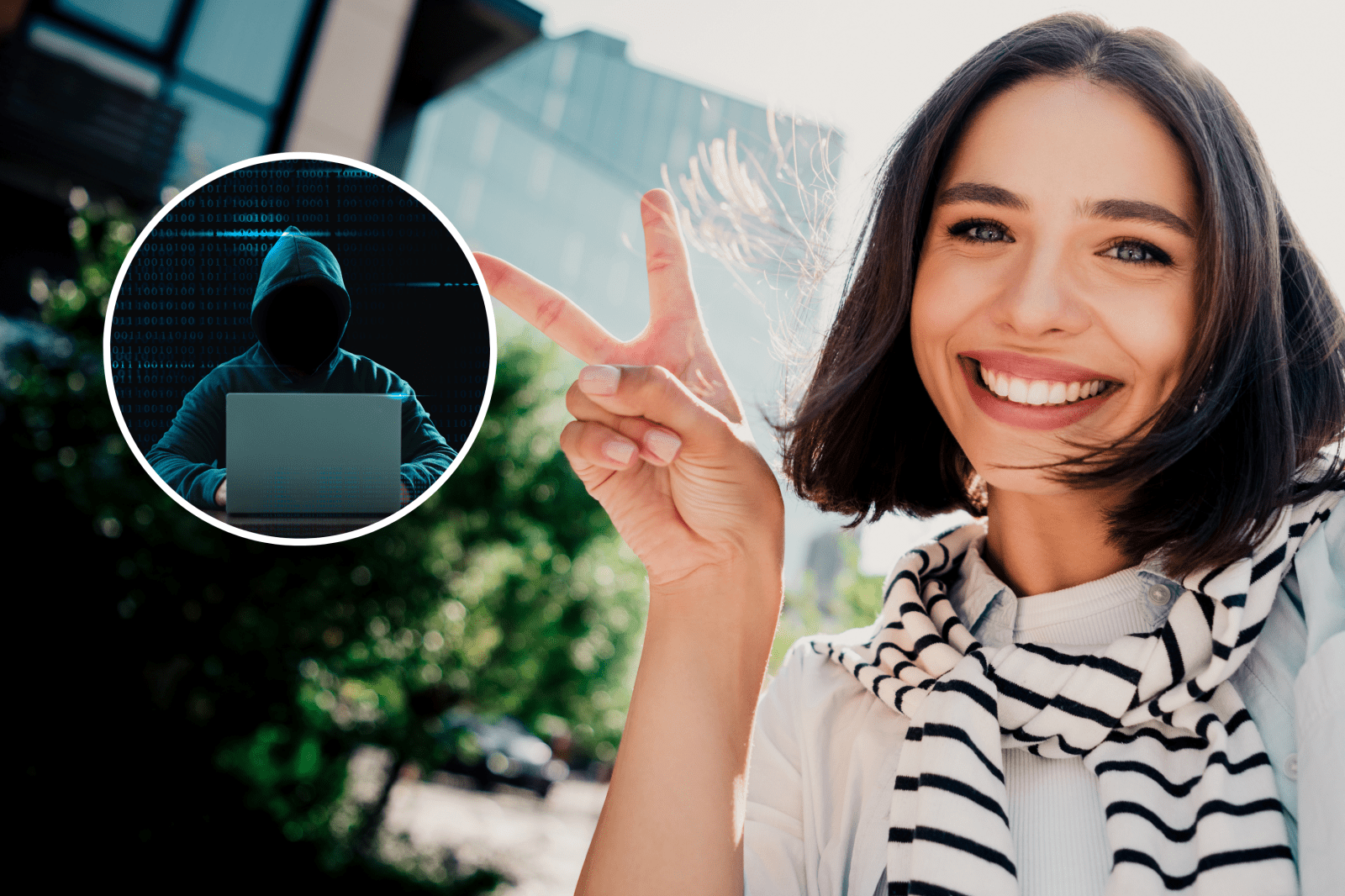
Every day, countless individuals share polished images of themselves on platforms like TikTok and Instagram using the latest smartphones from Apple, Samsung, and Google. These devices feature advanced camera settings that offer increasingly high-resolution photography and videography. However, this technology also makes it easier for malicious actors to manipulate images.
The Threat to Fingerprint Patterns
Consider a social media user taking a selfie, holding their new smartphone with a peace sign raised. This image might quickly gain likes, but it could also reveal something far more valuable—a near-perfect map of their fingerprints. These high-resolution cameras can capture fingerprint details so precisely that AI-assisted tools can reconstruct biometric data from such images.
“The threat is real, underappreciated, and accelerating,” shared Bryan Lopez, a cybersecurity and AI leader at Microsoft. These precise details, once requiring forensic lab resources, are now accessible to non-specialist and motivated individuals.
The fallout extends beyond fingerprints. AI has expanded what Lopez calls the “biometric threat surface.” Voice replication tools, utilizing minimal audio snippets from vlogs or podcasts, can synthesize replicas of a person’s voice. These synthetic voices now bypass voice authentication and aid targeted social engineering.
Deepfake and Biometric Threats
Deepfakes have also evolved. They allow bad actors to create realistic imagery and videos of individuals saying or doing things they never did. The repercussions for those affected include damage to reputation, identity fraud, and even extortion.
Lopez emphasizes the invisible threat to those most vulnerable. Innocuous actions, such as making a peace sign, holding a phone, or filming a small video, might seem harmless but carry genuine security risks. At current resolutions and with AI advancements, these actions can contribute to the “attack surface.”
The Growing Cybercrime Landscape
Cybercrime statistics reinforce the urgency of the issue. By 2024, the FBI documented 859,532 cybercrime complaints, with losses surpassing $16 billion. Phishing alone represented 3.4 billion malicious emails daily.
The distinguishing characteristic of biometrics—irreplacability—adds to the danger. A compromised password can be reset, but biometrics like fingerprints and voice patterns cannot. Once breached, the exposure is permanent. This becomes significant as AI reduces barriers for attackers.
Ensuring Identity Safety
Bojan Simic, CEO of HYPR, suggests adopting passkey-based authentication. This method pairs biometrics with cryptographic credentials, avoiding reliance on biometrics alone. “Biometric identifiers cannot change once compromised,” he highlights.
For users, Lopez stresses practical identity protection steps. Social media privacy settings are crucial, yet not enough. Locking accounts to followers reduces passive exposure. Additionally, disabling location metadata, avoiding high-resolution images of hands and faces, and limiting distinctive voice videos all minimize available data for AI exploitation.
“Behavioral awareness, coupled with privacy hygiene, forms the most reliable defense,” Lopez stated. “Technology will advance. Current habits shape how exposed we are to future threats.”