
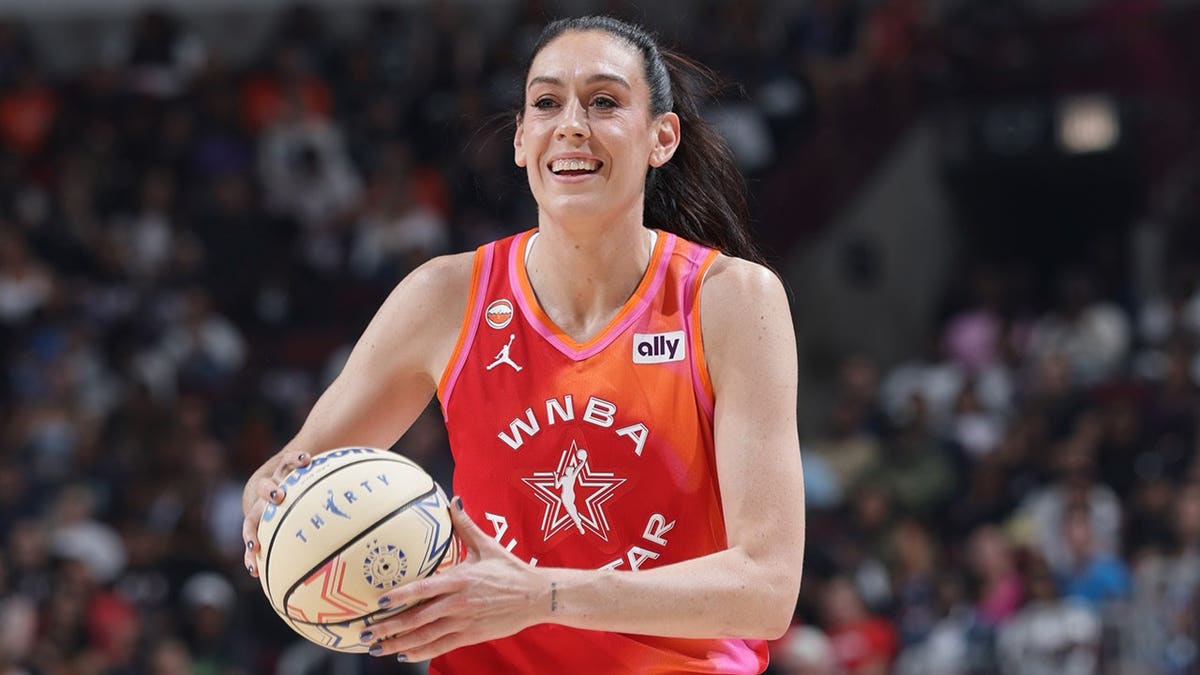
The WNBA Players Association clarified that it did not request the league to drop plans for placing USA 250 patches on All-Star uniforms despite public disapproval from one of its officers. The union reached out to the WNBA after Sportico suggested that the patches would be used during the All-Star Game in Chicago.
League’s Response and Player Leadership Role
According to the union, the WNBA indicated at that time that no final decision had been made. Subsequently, the league decided to honor the 250th anniversary of the United States through arena signage and by recognizing veterans during the game. The WNBPA confirmed that the matter was not brought to player leadership for decision-making. There is no evidence that the union formally demanded the removal of the patches.
The WNBA did not address questions regarding the union’s statement or explain the decision not to use the patches. The patches are part of a broader national initiative with involvement from leagues such as the NFL and NBA.
Public Reaction and Internal Discussions
Brianna Turner, a WNBA Players Association officer, publicly criticized the plan due to historical injustices. She noted that 250 years ago, WNBA players would have faced significant social and legal constraints. Her comments emerged before player leaders contacted the league based on the Sportico report. The union emphasized that these discussions focused on gathering information without formal input on the patches.
WNBPA president Nneka Ogwumike acknowledged that players inquired about the issue with the league’s leadership prior to the All-Star Game. Breanna Stewart, also a union executive committee member, confirmed that the patches would not be on the uniforms.
Unanswered Questions from the WNBA
Despite these discussions, the WNBA has not clarified why it opted for arena signage instead of placing the commemorative patches on uniforms. Queries about whether any player expressed opposition or if Turner’s criticisms influenced the decision remain unanswered.
The union stated that player leaders did not formally engage in action regarding the patches, refuting reports that players refused to wear them. At this point, the WNBA has yet to publicly justify its decision-making process related to the patches and any influence the union may have had.
Broader Context
The debate around the patches draws attention to broader themes of social justice and the role of athletes in these conversations. Cheryl Reeve, coach of the Minnesota Lynx, described the patch debate as requiring a balance between acknowledging the country’s history and ongoing social issues. She advocated for recognizing the country’s milestones while continuing to address those issues.
Turner’s initial comments were later softened as she expressed gratitude for opportunities in America despite noting that full equality is still a work in progress. This highlights the ongoing tension between patriotic gestures and calls for social justice within professional sports. The WNBPA’s statement and Turner’s objections illustrate the progress and challenges in addressing equality.