
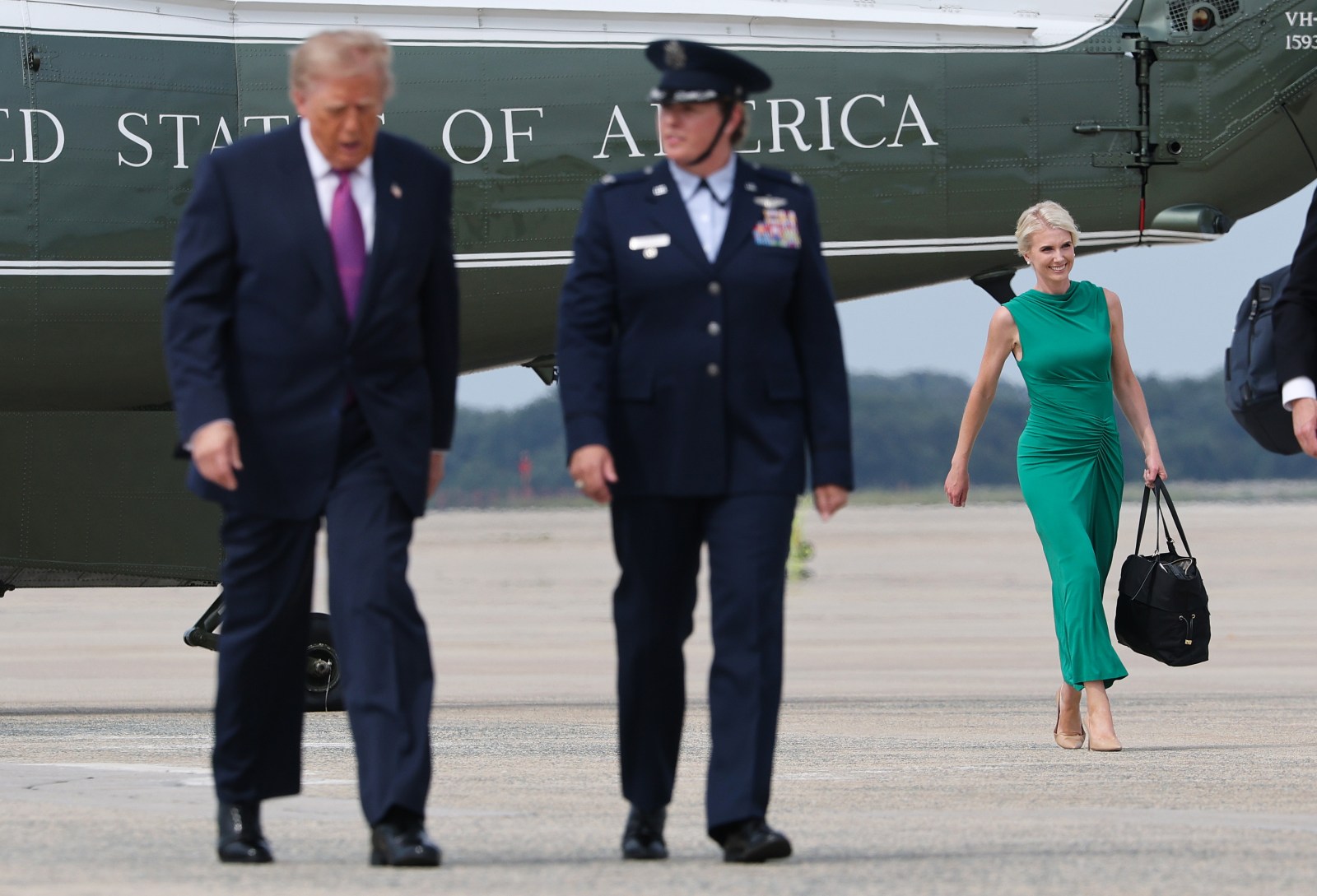
The White House is defending President Donald Trump’s decision to give $45,000 in cash to several close aides, framing the payments as personal holiday gifts. These financial gestures are deemed ‘entirely permissible’ under federal law and ethics rules. Natalie Harp, a special and executive assistant to the president, reported receiving the cash in her annual financial disclosure, listing Trump as the source and categorizing it as a holiday gift.
Similar payments were disclosed by other White House employees. Communications adviser Margo Martin and aide Chamberlain Harris both reported receiving $45,000 from Trump. These payments were on top of their annual government salaries of $150,000. Another recipient, Oval Office operations director Walt Nauta, received a $20,000 cash gift from Trump, as per financial records.
Newsweek sought further comment from the White House via email on Tuesday night. In response, the White House Press Office posted a statement on X, indicating Trump’s long-standing tradition of giving Christmas gifts to individuals within his circle. The statement emphasized that these gifts are unrelated to official government responsibilities and thus comply with legal and ethical guidelines.
The payments have raised concerns among ethics experts. Richard Painter, former chief White House ethics lawyer under President George W. Bush, highlighted potential violations of a federal statute prohibiting external payment supplements for federal employees’ salaries. However, Don Fox, former acting director of the Office of Government Ethics under the Obama administration, argued that the available details don’t clearly indicate a violation. He noted that such payments could make recipients feel obligated to the president.
Former Palm Beach State Attorney Dave Aronberg commented to Newsweek that the substantial size of these payments poses valid ethical and legal questions. He clarified that while federal law generally disallows salary supplements by external sources, the context of the gift—whether it was personal or related to the recipients’ government roles—matters significantly when assessing legality.
Experts suggest that if these gifts are personal and unrelated to work, the defense remains strong. However, if viewed as bonuses or additional compensation related to their duties, it could result in ethics inquiries, civil penalties, and potential legal consequences.
This development comes amid increased attention on Natalie Harp’s close association with Trump, with ongoing scrutiny over her access to the president. Updates will follow as the story evolves.