
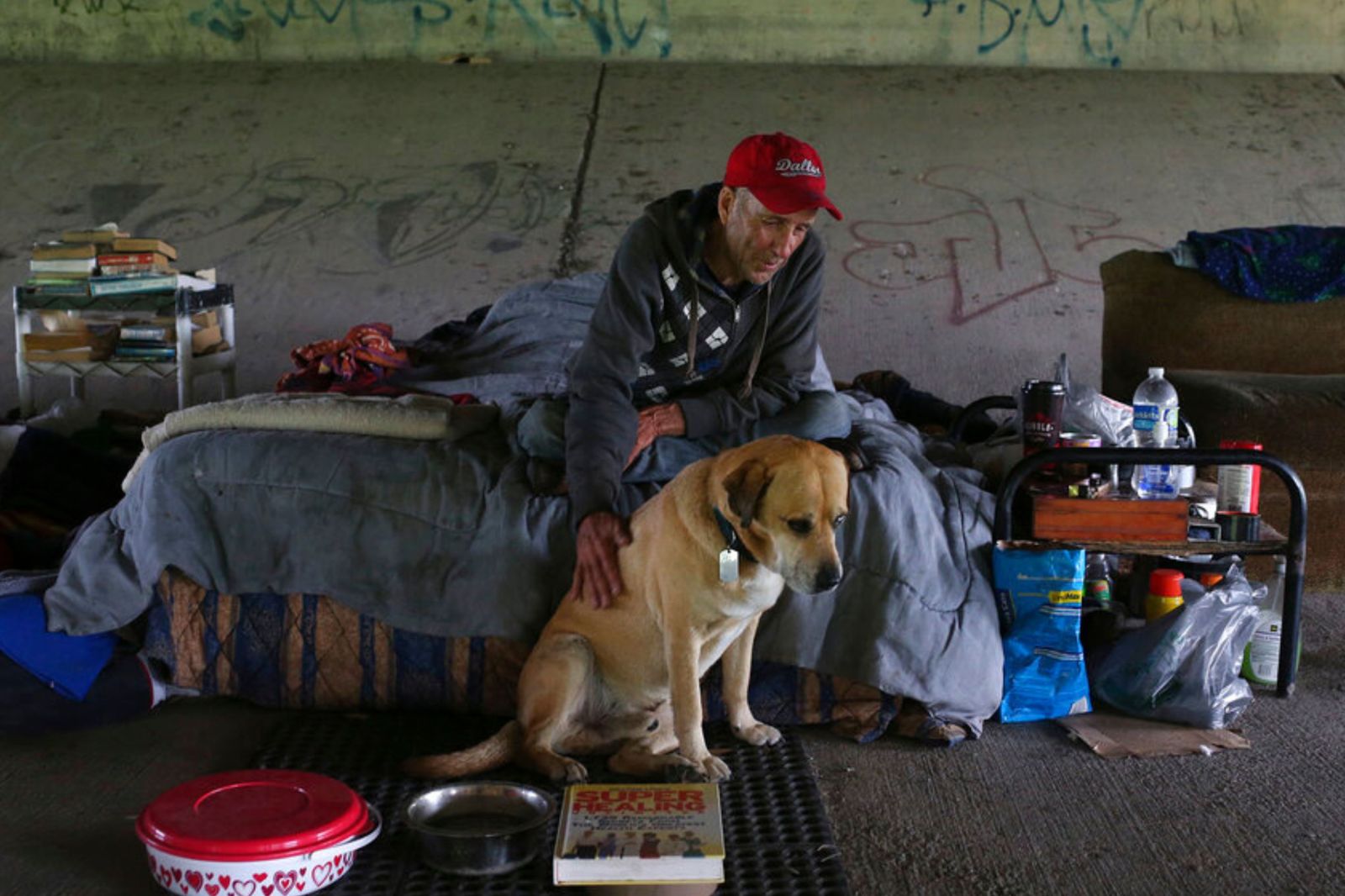
The Department of Veterans Affairs (VA) has introduced a foreclosure prevention program designed to assist veterans in keeping their homes. This initiative follows growing concerns about increasing repossessions and insufficient support options for struggling veterans.
The VA’s latest effort, the Partial Claim Program, was confirmed to be launched this week. It aims to support veterans behind on their VA-backed mortgages. Under the program, mortgage servicers will initiate a three-month trial repayment period for borrowers who meet the eligibility criteria. If borrowers succeed in this trial, servicers will cover the overdue balance, bringing the loan up to date. The VA will reimburse the covered amount, and repayment can occur when the loan closes, is refinanced, or the home is sold.
VA Secretary Doug Collins highlighted the significance of this program, stating it will help keep thousands of veterans in their homes. He described it as a crucial safeguard for borrowers in financial distress.
A Response to a Growing Crisis
The program’s launch occurs after increased pressure in the veteran housing market, culminating in a foreclosure surge after the conclusion of a previous relief program. Over 10,000 veterans lost homes following the May 2025 end of the prior initiative. Furthermore, approximately 90,000 veterans faced payment delays or started foreclosure processes.
The terminated program had involved governmental intervention to stabilize loans. Its end left many veterans with limited solutions, often encountering higher payments if attempting loan restructuring. Advocates and analysts cautioned that withdrawing this safety net without an alternative could spark a foreclosure wave, which has seemed to transpire in recent months.
Questions Over Policy and Timing
This new approach has been subject to scrutiny amid broader discussions about the administration’s veteran housing policies. Critics argued ending previous relief efforts without a replacement contributed to increased foreclosures.
Lawmakers and advocacy groups have noted that VA-backed loans are promoted as accessible paths to homeownership due to low or zero down payments and favorable interest rates. However, protections diminish quickly once borrowers fall behind. The Partial Claim Program addresses this by enabling borrowers to catch up without immediately raising monthly costs or risking property loss.
What the New Plan Does—and Doesn’t Do
The program’s major advantage is allowing veterans to bring their loans current without altering mortgage terms. Borrowers defer missed payments rather than integrating them into further monthly expenses.
However, experts have pointed out that partial-claim policies don’t generally reduce original loan balances or offer ongoing payment assistance. Neil Caron from CMG Mortgage commented that these policies assist with temporary setbacks but may deplete equity and constrain future options for homeowners with sustained difficulties. This raises doubts about the program’s efficacy for those facing prolonged financial hardships. The program’s success hinges on whether borrowers can maintain payments after the relief period concludes.
A Critical Test Ahead
Presently, the VA’s latest program is a significant effort to stabilize a strained system. The VA considers it as one of several methods available to prevent foreclosures, alongside loan modifications and repayment plans.
With tens of thousands of veterans still vulnerable to losing their homes, monitoring the program closely will determine if the federal government can reverse the recent foreclosure increase, and if current policies adequately protect those who served the country.