
The United States has intensified its military actions by launching operations against drug trafficking in Latin America. Since President Donald Trump resumed office in 2025, his administration has moved toward a more interventionist strategy in the region, identifying 20 criminal groups as ‘foreign terrorist organizations.’ Recent actions have included boat strikes and the deployment of CIA agents for drug lab operations.
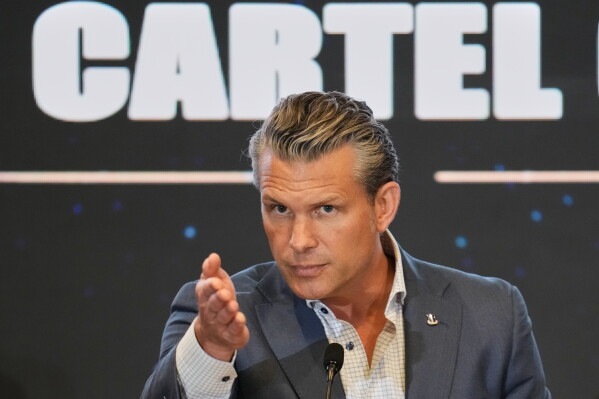
Defense Secretary Pete Hegseth announced collaborations with Colombia, Guatemala, and Honduras to expand these operations on land. The aim is similar to previous actions against drug boats, now targeting groups across these nations.
“Anywhere you traffic drugs or you threaten the American people or our partners, you are a target,” stated Hegseth, aligning drug traffickers with groups like ISIS.
While Ecuador has already engaged in joint raids with the US, voters previously opposed foreign military bases. Guatemala denied any agreement for joint military operations. Meanwhile, Mexico maintains cooperation without allowing direct US military involvement on its soil.
Concerns and Criticism
Experts express concerns about sovereignty and potential civilian casualties, especially in areas with mixed civilian and armed group populations. Critics highlight the imbalance of these partnerships, where Washington’s military influence can impose its agenda.
Observers also question whether this increased militarization will provide lasting security improvements or merely compel groups to adapt. The ELN, a major Colombian guerrilla group, could move closer to civilian areas in response to strikes.
Ultimately, the US needs to define what joint operations mean for each country, with analysts warning that even conservative governments may resist extensive US military involvement.