
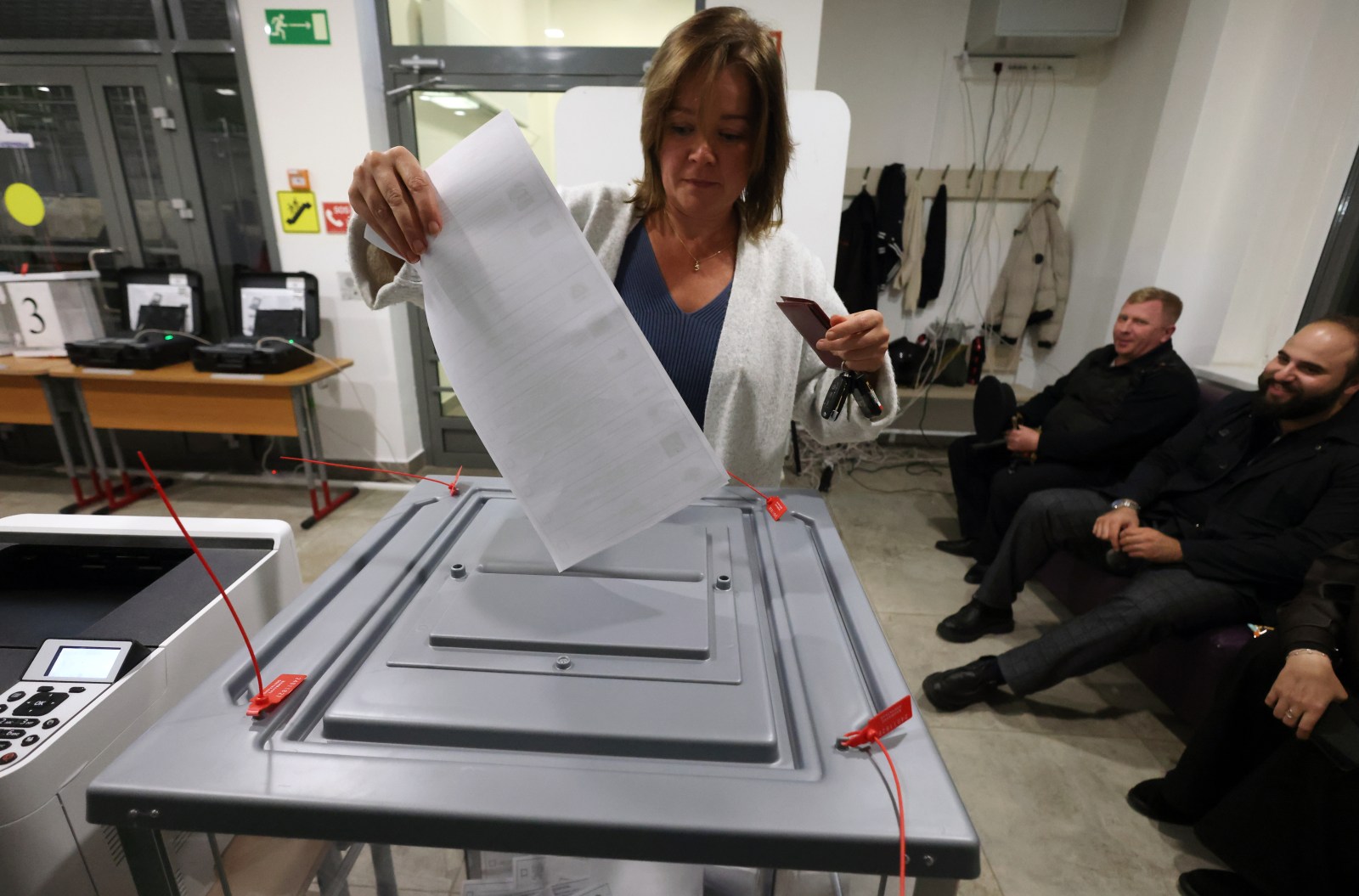
United Russia’s Dominance in Recent Elections
The United Russia party, linked to President Vladimir Putin, has set a new record in parliamentary seats. According to Russia’s Central Election Commission (CEC), United Russia will occupy 355 of the 450 seats in the State Duma. This surpasses their 2016 achievement of 343 seats, following a reported 58% share of the party-list vote and control over individual districts.
Allegations of ballot tampering and equipment failures, coupled with an unusually high turnout, highlight the disputed nature of the election. These events unfolded amidst ongoing inflation, new sanctions from the United States, and a wartime economy affecting Russian citizens. The CEC has been contacted for comments by Newsweek, but no response has been received yet.
Economic Impact and Mobilization Speculation
Russian economist Sergei Guriev shared insights with Newsweek. Guriev believes Putin might use the election outcomes to suggest public readiness for economic sacrifices linked to the war in Ukraine. “Putin has acknowledged the costly nature of the war,” Guriev stated. He indicated that election results would be a tool for Putin to argue that Russians are prepared to endure economic difficulties.
There are questions about a potential draft to support Moscow amidst substantial military losses. Although Kremlin officials have denied immediate plans for mass mobilization, past actions and infrastructure developments suggest otherwise. Bloomberg reported concerns among Russian officials over potential conscription impacts.
Election Reflects Support for War Efforts
Despite anti-war sentiments and the barring of the Yabloko party, United Russia increased its vote share significantly compared to 2021. Analyst Farida Rustamova expressed skepticism about voter turnout, suggesting Kremlin motivations for tighter parliamentary control given unpredictable war developments. The Communist Party is expected to take 40 seats, trailed by other parties in the systemic opposition.
Foreign Minister Sergey Lavrov and Dmitry Medvedev have both indicated that the election results endorse Putin’s foreign policy. Russian political scientist Tatiana Stanovaya believes Putin will view the election as validation, although she notes a rise in anti-war sentiments that remain publicly unaddressed.
Economic Concerns and Political Dynamics
The war’s financial toll is generating political tensions. German Gref, head of Sberbank, forewarned of stagnation. After expressing concerns about Russia’s economic lag behind nations like China and the U.S., Andrei Klepach was dismissed from VEB.
Ukrainian drone attacks and domestic disruptions have stirred Russian public opinion. Guriev highlighted increasing public discourse on economic issues, which may influence officials close to Putin to voice concerns.
Critical voices, Guriev suggested, might be strategically positioning themselves in anticipation of potential shifts in Russia’s leadership. He likened current dynamics to “bulldogs fighting under a rug,” signifying unseen yet intense power struggles.