
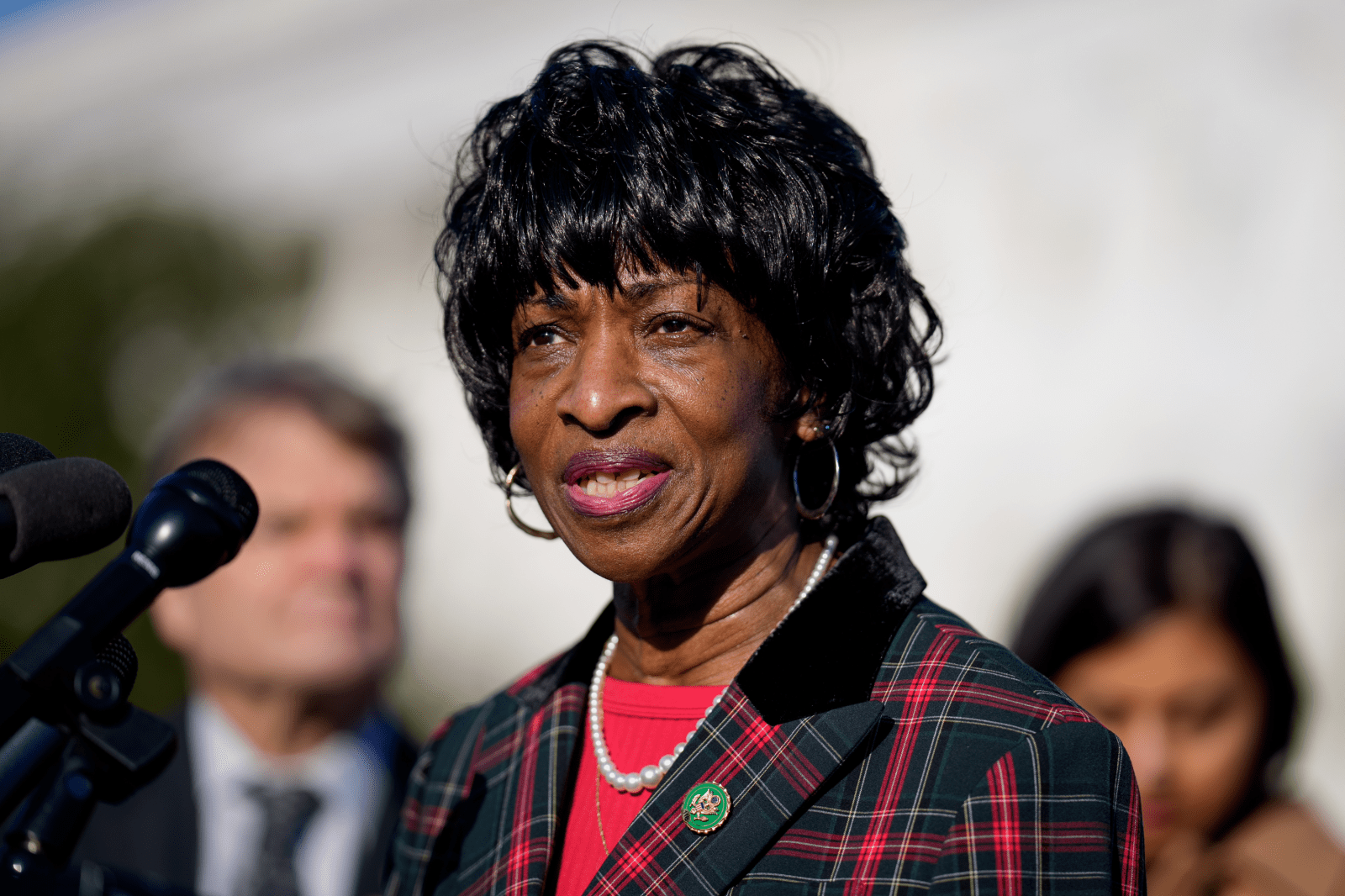
Representative Valerie Foushee, a Democrat from North Carolina, has introduced a bill aimed at providing refundable tariff rebates worth up to $4,000 to eligible married couples. The proposal includes additional payments for dependents. This initiative emerges amidst ongoing discussions about the effects of President Trump’s tariff policies on household expenses and whether Americans should receive direct financial relief.
If enacted, the bill would offer tax credits to qualifying low- and middle-income taxpayers, with larger households receiving increased payouts. Since Trump returned to office in January 2025 and expanded tariffs on various imports, tariffs have become a significant political and economic issue. Supporters believe tariffs encourage domestic investment, while critics argue they often lead to higher consumer prices.
Details of the Proposed Bill
On September 17, Foushee introduced the American Tariff Rebate Act. The bill proposes amendments to the Internal Revenue Code to establish a refundable tax credit for the 2026 tax year. Eligible single filers would receive a $2,000 credit, whereas married couples filing jointly could receive a $4,000 credit. Additionally, families may receive an extra $600 for each qualifying dependent. The refundable nature of the credit ensures that taxpayers can benefit even if they owe little or no federal income tax.
Foushee mentioned that the legislation seeks to “put money directly back into the pockets of middle-class families” as they encounter high living costs.
In a message posted to X, she stated, “I’m introducing the American Tariff Rebate Act to cover tariff costs for middle- and lower-income households and ensure our communities aren’t the ones fronting the bill for Trump’s tariffs.”
Eligibility Criteria
The bill targets lower- and middle-income households using income limits. The credit phases out as adjusted gross incomes exceed:
- $75,000 for single filers
- $112,500 for heads of household
- $150,000 for married couples filing jointly
Nonresident aliens, estates, trusts, and individuals claimed as dependents by another taxpayer would be ineligible. The legislation permits advance payments during 2026, enabling American taxpayers to receive funds before filing tax returns.
Reasons Behind Support for Rebates
Foushee’s office, referencing figures from the Joint Economic Committee Minority, estimated that American families incurred over $231 billion in tariff-related expenses from February 2025 to January 2026. This averages about $1,745 per household. She highlighted that while businesses obtained tariff-related refunds through court rulings, families burdened by increased prices have not received similar relief.
Past Discussions on Tariff Rebates
The idea of distributing tariff revenue back to Americans isn’t entirely new. President Trump discussed a “tariff dividend” in late 2025, proposing that some tariff revenue be returned through payments of at least $2,000 per person for low- and middle-income citizens. Officials later clarified that any such plan would need congressional approval. No federal rebate program has been enacted as yet.
Democrats have explored additional rebate proposals. Earlier in 2026, Representative Henry Cuellar introduced legislation to counteract higher consumer costs linked to tariffs with direct payments to taxpayers.
Prospects for Passage
Currently, the bill’s chances are limited. It has been referred to the House Ways and Means Committee, along with other committees for review. The measure has yet to progress beyond introductory stages. Bills involving significant federal expenditure face numerous hurdles, especially within a divided political landscape.
For now, these rebates remain a proposal without authorization of payment, and the legislation has not sanctioned any checks or tax credits.
Newsweek’s team of reporters and editors utilized Martyn, our AI assistant, for this story. For further details, contact Newsweek editors Ben Kelly and Sam Wilson.