
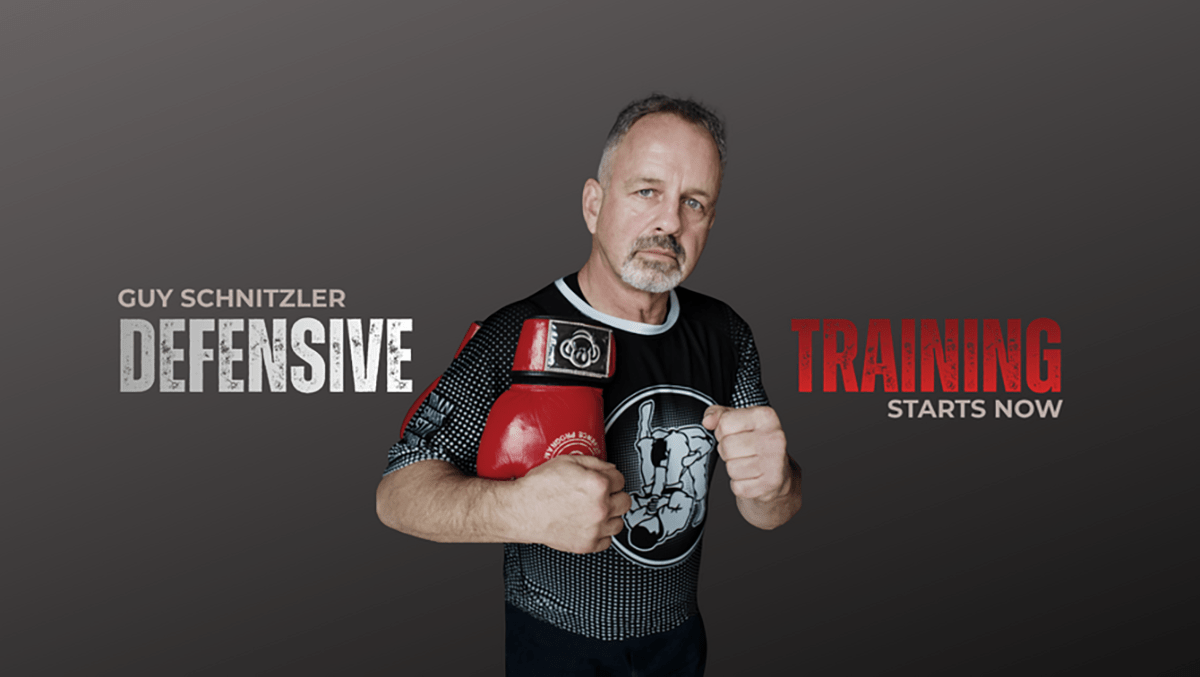
The personal safety market is experiencing immense growth. Despite a decrease in overall violent crime rates, public anxiety remains high due to highly publicized incidents. This has led the global personal safety app market to reach a $2.1 billion valuation. Many now rely on tools like location trackers and panic buttons. Yet, Guy Schnitzler, a former law enforcement officer with 33 years of experience, highlights a critical aspect often overlooked.
Schnitzler argues true protection starts long before any confrontation occurs. He believes self-defense is more about recognition than reaction. Being prepared isn’t solely about fighting ability, but about preventing situations from escalating.
The process of self-protection begins with awareness. Schnitzler emphasizes the importance of the “zero-to-five-foot range.” This is where many robberies and assaults become more dangerous. He advises keeping a safe distance as criminals require proximity to commit acts. Recognizing this space early can help make wise decisions.
Schnitzler notes criminals often use distraction as a tactic to close in. They might engage in conversation or request help. Maintaining distance allows time to assess their intentions.
Confidence does not always equate to competence. Schnitzler finds many overestimate their preparedness, especially men who rely on physical strength. Training provides a more accurate understanding of one’s abilities.
Technological distractions present another challenge. People often move through public spaces while focused on their phones, missing crucial surroundings. Schnitzler advises staying aware by regularly observing your environment. Practicing these observation skills can develop instincts useful in uncertain situations.
Avoiding dangerous encounters is always the preferred outcome. If avoidance is not possible, de-escalation should be the next step. Only if these approaches fail should physical force be considered. Schnitzler also warns that carrying a weapon doesn’t guarantee safety. If misused, it can become a liability.
Understanding behavior, recognizing intent, and staying calm under pressure are essential skills. Schnitzler stresses learning these skills requires conscious practice.
Martial arts still have relevance, but they are part of a broader system. Physical techniques are necessary if violence is unavoidable. However, the focus should be on recognizing moments that offer options before violence occurs.
Effective self-defense training teaches judgment before violence. It involves learning to recognize problems earlier, managing distance, and making better decisions under stress. The emphasis should be on preventing situations where physical ability becomes crucial.