
Borrowers face significant credit card debt challenges today. Inflation and economic issues have caused credit card balances to rise by $21 billion in the second quarter of 2026. Despite slight improvements in delinquency rates, many borrowers still deal with past-due accounts and their credit consequences.
New York Fed research indicates that lenders keep charged-off credit card accounts on credit reports longer than before. This means borrowers might see old accounts remain on their credit histories for extended periods. Old debts might also disappear and then unexpectedly reappear on credit reports.
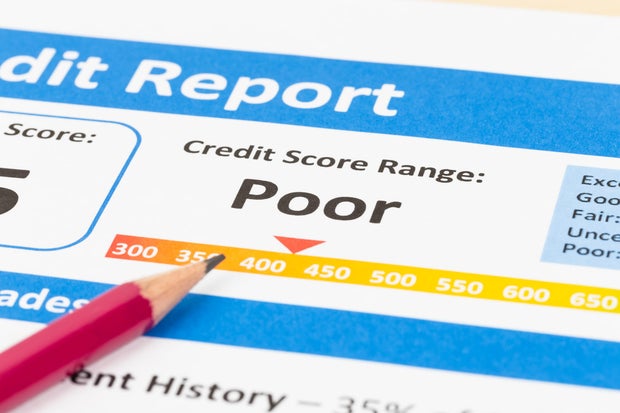
“An old debt appearing on your credit report doesn’t necessarily mean it belongs there.” – Getty Images/iStockphoto
Before acting on such debts, it’s crucial to understand creditors’ rights regarding adding old debts to credit reports.
Can Old Debt Be Re-Added to Your Credit Report?
Certain conditions allow old debt to be added or re-added to credit reports. The Fair Credit Reporting Act (FCRA) limits the duration of reporting most negative credit information, which is generally about seven years. For charge-offs and collection accounts, the reporting period links to the initial delinquency that caused the account to be charged off or sent to collections.
A collection account might change hands multiple times, complicating tracking efforts. For instance, an original creditor might sell a debt to a buyer, who might later sell it again. If the debt falls within the reporting window, a new collector may report it while adhering to reporting guidelines. They must accurately report the original delinquency date. Federal guidance prevents “re-aging” of debts to alter their age on a report.
Suppose a credit card account became delinquent years ago and aged off the credit report. A debt buyer acquiring the account later usually can’t assign it a newer delinquency date to extend its presence on the report.
It’s important to distinguish between the credit-reporting time limit and the debt’s statute of limitations. The statute of limitations dictates how long a collector can sue over a debt and varies by state and debt type. A debt could be too old for credit report inclusion but still relevant for collection actions.
Be cautious before making payments on old debts. In some states, even partial payment or debt acknowledgment can restart a lawsuit’s statute of limitations, although not the credit-reporting period.
What to Do If Old Debt Reappears on Your Credit Report
Begin by verifying the details on the report instead of assuming its accuracy. Check the first delinquency date, balance, creditor or collector name, and account status. Review reports from the three major credit bureaus, as creditors may not report to all of them.
If the debt is outdated or has incorrect details, dispute it. Credit bureaus and the company providing the information must investigate and correct errors if necessary.
For legitimate and collectable debts, consider handling the balance. Negotiating with collectors might reduce what you owe. If multiple credit issues exist, explore debt relief options like debt management or settlement.
Don’t pay unfamiliar old collections upon appearance on your report. Confirm the debt’s validity, balance, and dates before understanding potential legal impacts of payments.
Conclusion
An old debt on your credit report doesn’t always signal an issue. If within the legal reporting period, it can be validly reported even if not previously visible. Debt collectors can’t extend this period merely by acquiring the debt and assigning it a newer delinquency date. If you’re struggling with multiple debts, consider negotiating or broader debt relief strategies that align with your financial situation.