
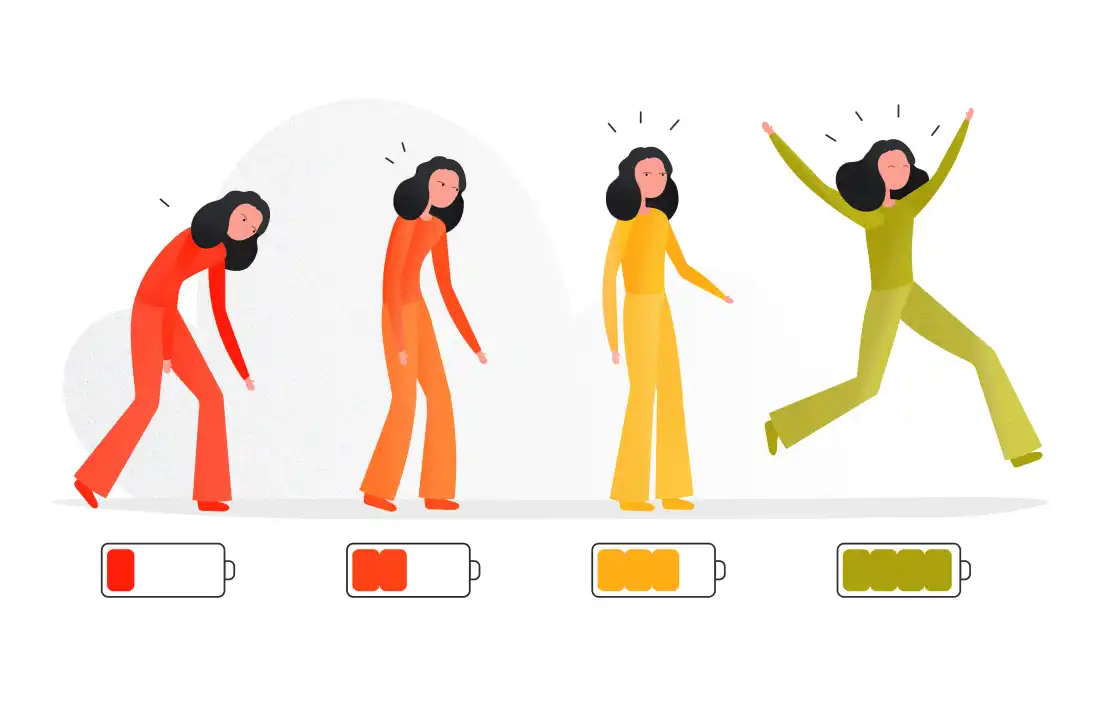
Some individuals with clinical depression struggle to get out of bed. However, there are others who continue to move through life, often increasing their work efforts, showing what psychiatrist Dr. Judith Joseph describes as ‘high-functioning depression’. This group often remains unnoticed, even by themselves, as they fulfill their responsibilities at work and home while losing the ability to experience pleasure.
High-Functioning Depression: A Silent Struggle
Dr. Joseph highlights that when people experience joy, they usually have better physical health, relationships, and productivity. Yet, joy is not prioritized enough. Centered around her work is the concept of anhedonia, which means a reduced ability to feel joy and interest in once enjoyable activities. She describes anhedonia as the ‘silent sister’ of depression, quietly present without attention.
Anhedonia may not be a crisis in a traditional sense, but it represents an existential crisis that should not be ignored.
Research Insights
In a study published in Cureus, Dr. Joseph and her colleagues surveyed adults to assess high-functioning depression, trauma, and anhedonia. Findings confirmed that individuals with high-functioning depression scored higher in anhedonia and trauma. Parents and caregivers showed the highest scores. Despite not being officially recognized in the DSM-5 (the diagnostic manual for mental health conditions), high-functioning depression’s lack of recognition may prevent people from seeking help until they reach burnout.
Potential Consequences
Dr. Joseph observes this pattern frequently among women who constantly support others, possibly unaware of their burnout. She warns that something will eventually change, possibly resulting in clinical depression, emotional distress, or physical breakdown. Some patients unknowingly end up in the emergency room due to unresolved emotional pain.
Vulnerability in Professions
The denial of vulnerability is common in professions like medicine, where Dr. Joseph notes, emotional expression post-patient death is viewed as weakness. The focus often remains on crises, like mania and psychosis, rather than on the loss of joy.
Anhedonia Assessment and Solutions
Dr. Joseph developed an anhedonia quiz modeled on the Snaith-Hamilton Pleasure Scale, examining everyday experiences like enjoying praise or meals and finding satisfaction in work. Although not a diagnostic tool, it encourages reflection on potential barriers to a joyful life.
Additionally, her book ‘High Functioning: Overcome Your Hidden Depression and Reclaim Your Joy’ introduces the Five V’s framework:
- Validation: Acknowledge and accept your feelings.
- Venting: Express emotions through conversation, writing, or creative outlets.
- Values: Prioritize what is important.
- Vision: Cultivate goals to anticipate.
- Vitals: Maintain comprehensive self-care, including sleep, nutrition, and physical activity.
Anhedonia affects many people, particularly in midlife, and awareness is critical.
If you or someone you know is in crisis, contact the Suicide & Crisis Lifeline at 988.