
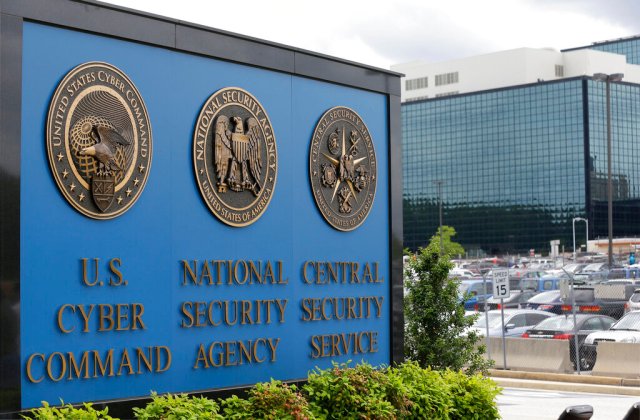
Introduction to FISA Section 702
FISA Section 702 is a crucial chapter of the Foreign Intelligence Surveillance Act. It authorizes the U.S. government to collect electronic communications of foreign targets located outside the United States. This law has been a subject of significant debate due to its implications for both national security and privacy.
Origins and Purpose
Enacted in 2008, Section 702 emerged from a need to modernize the intelligence community’s capabilities post-9/11. It allows the National Security Agency (NSA) to obtain intelligence information without a traditional warrant. The focus is on foreign individuals, but it can sometimes inadvertently collect data from U.S. citizens.
Debate and Controversy
While supporters argue that Section 702 plays a pivotal role in preventing terrorism and enhancing national security, critics point out risks to civil liberties. Reports have highlighted instances where the data of U.S. citizens was gathered unintentionally, prompting discussions on the law’s reform.
Impending Expiry and Legislative Actions
Set to expire, Congress faces pressure to decide on the law’s future. Lawmakers have to consider whether to renew, modify, or let the law lapse. As debates continue, the implications for both surveillance capabilities and privacy remain at the forefront of discussions.
Impact on Privacy and Security
The balance between national security and individual privacy is a critical issue in the FISA Section 702 discourse. Proponents argue for its necessity in intelligence operations, yet privacy advocates demand stricter oversight and clearer limitations to protect citizens’ rights.
Conclusion
The future of FISA Section 702 is uncertain as expiration approaches. Congress must weigh security needs against privacy concerns to make an informed decision. The outcome will significantly affect U.S. intelligence and personal privacy considerations.