
Rising Credit Card Debt
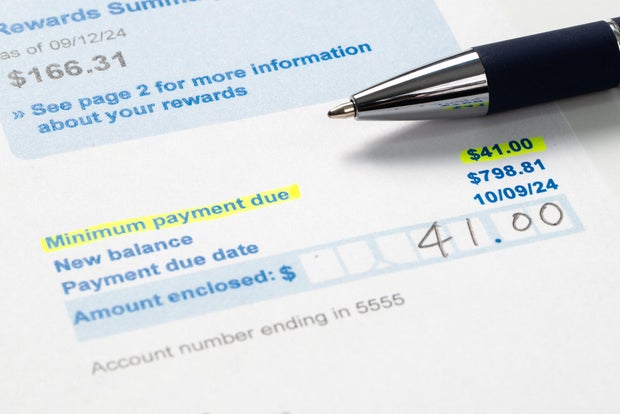
Credit card debt is increasingly burdening borrowers’ budgets. In the second quarter of 2026, credit card balances rose by $21 billion, reaching a total of $1.26 trillion. This debt growth coincides with high interest rates, averaging 22.15% on accounts with interest assessed. High rates amplify the financial strain, especially with growing balances.
These factors, coupled with economic challenges like inflation, make meeting minimum credit card payments challenging. If you’re managing multiple cards, these payments can accumulate quickly.
Negotiating Lower Payments
When facing financial hardship, asking your credit card issuer for a lower minimum payment might seem tempting. However, issuers set minimum payments based on the account terms. These are usually calculated using a percentage of the balance, a flat amount, or a combination of balance, interest, and fees. Simply preferring to pay less doesn’t typically justify adjusting these figures.
Despite that, contacting your card issuer may still be beneficial. Many offer hardship or payment assistance programs. If you’re struggling to meet minimum payments due to genuine financial difficulties, reaching out could lead to support.
Hardship Programs
Hardship programs can offer temporary relief by reducing monthly payments or lowering interest rates, waiving fees, or altering repayment terms. Such changes could lower your monthly obligation without altering the standard formula for minimum payments.
It’s crucial to understand the terms offered under a hardship program. This isn’t about choosing to pay less but instead asking for modified repayment conditions. Not adhering to agreed terms can lead to late fees and credit score damage.
Considering Broader Debt Relief
If reducing payments isn’t enough, broader debt relief strategies may help. Options include:
- Debt Management Plan: A credit counseling agency might help negotiate with creditors for better terms. You pay the agency, which then pays your creditors.
- Debt Consolidation: This involves securing a new loan to pay off multiple debts, ideally under better terms. It requires careful consideration of interest rates and fees.
- Debt Settlement: Negotiating a debt settlement may allow paying less than the total owed, though it risks impacting your credit and may have tax effects.
These options suit serious financial hardship rather than reducing manageable payments.
Conclusion
Your credit card issuer may not permit arbitrary payment reductions, but that doesn’t mean there’s no flexibility. If payments become unmanageable, inquire about hardship arrangements before defaulting. For significant debt burdens, consider if a full debt relief strategy is appropriate.