
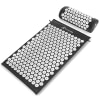
At first glance, an acupressure mat might seem intimidating. Its appearance resembles a pad covered in spikes, often nicknamed a ‘bed of nails.’ However, those familiar with its benefits know that it is a valuable tool for relaxation and recovery. Laying on an acupressure mat for about 30 minutes can help relax muscles and slow down your mind, offering relief from the tension of daily activities.
Experts agree that these mats can relieve muscle tightness, decrease stress, and improve sleep quality. To help you understand more about acupressure mats, this article will cover what to consider when selecting one, how to use it effectively, and why the term ‘acupuncture mat’ is incorrect.
What are Acupressure Mats?
Acupressure mats are padded mats covered in small plastic spikes that stimulate various pressure points on the body. Dr. Sarah Cash Crawford, a physical therapist, explains that these mats can increase circulation, promote muscle relaxation, and activate the parasympathetic nervous system, encouraging the body to transition into a calmer state.
The mats provide controlled sensory input that helps shift the body out of stress mode. The gentle, consistent pressure created by the spikes can offer significant relief.
Choosing the Right Acupressure Mat
For Beginners
The ProsourceFit Acupressure Mat is favored by beginners due to its affordable price and moderate number of spikes. It helps users stretch and become more aware of their posture while offering comfortable relief with regular use.
For Full-Body Relief
Some mats are over 4 feet long, covering the entire body for comprehensive relief. These mats typically include a foam pillow and come in various sizes to cater to different needs.
For Set Options
Balance Mate offers a set with two mats, a neck pillow, and a thin cloth to ease users into using the spikes. Users can lay the mats end-to-end to cover the entire body or use them separately for focused pressure.
For Experienced Users
Experienced users may prefer a more intense feel. ShaktiMat offers options with fewer spikes, resulting in a more concentrated pressure sensation. While not bundled with a pillow, these mats offer neck and back pillow options for purchase.
Using an Acupressure Mat
The primary way to use an acupressure mat is to simply lay on it. However, following expert advice can maximize its impact. The mat should make direct contact with the skin for best results, although beginners can wear thin clothing if necessary.
Acupressure Mat Positions
- Lay supine on the mat to cover the back from shoulders to hips or shift it to cover the back of your legs.
- Lay prone to cover the front of your legs from hips to ankles.
- Sit in a chair with the mat on the seat for targeted relief on thighs and the back.
- Stand on the mat for intense sensation, recommended for experienced users.
Session Duration
Begin using an acupressure mat for 10 to 20 minutes per session. As your body adapts, you can gradually extend the duration. Consistent, comfortable use is more beneficial than enduring excessive discomfort during long sessions. Watch for discomfort, numbness, or dizziness as signs of overuse.
Acupressure Mat Frequency
Daily use is possible, but starting a few times a week can help your body get accustomed to the pressures.
Benefits of Acupressure Mats
Though limited, some studies suggest acupressure mats temporarily relieve discomfort, pain, and tension when integrated into a broader recovery routine. They enhance circulation, ease muscle tension, and aid those with sedentary lifestyles or exercise-induced soreness.
Acupressure mats can also help decrease stress levels. Incorporating periods of stillness and recovery into daily routines can significantly impact well-being. Some users report improved sleep quality after using acupressure mats before bedtime to relax muscles and calm the mind.
Safety and Considerations
Most people find acupressure mats safe to use. However, consult a healthcare professional if you have conditions like bleeding disorders, neuropathy, or skin infections. Pregnant users or those recovering from surgery should also seek advice.
Distinguishing acupuncture from acupressure is important. While acupuncture uses needles to stimulate points on the body, acupressure utilizes physical pressure, making it more accessible for at-home use.
Trust in acupressure mats comes from both user experience and expert insights. Dr. Sarah Cash Crawford, Dr. Scott Kaylor, and Kirstin Bunton offer a wealth of knowledge, contributing to sound guidance in choosing and using these beneficial wellness tools.