
Donald Trump made his expectations from European NATO allies clear. His demands include contributing fairly to the alliance, taking charge of their own defense, and participating in the conflict with Iran. Although European leaders have pledged to increase defense spending, Trump’s demands have been met with resistance.
Contrastingly, Ukraine is eager to meet these challenges. While previously viewed by the Trump administration as merely an aid recipient, Ukraine is demonstrating its value by striking an Iranian vessel and offering intelligence on Russia’s actions. This indicates that the traditional measures of Ukraine’s worth to Washington are outdated.
Ukraine’s Strategic Actions
For the past years, Ukraine has been busy defending against an invasion. Despite these challenges, Kyiv assists the U.S. and its partners amid ongoing issues with Iran. Recently, a Ukrainian strike targeted a vessel linked to Iran’s military cargo, marking a significant move.
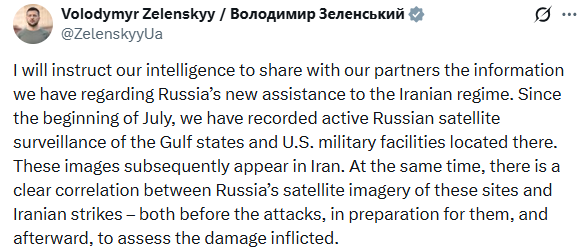
Ukrainian President Zelensky took further steps. He announced intentions to share intelligence with partners regarding Russia’s surveillance of U.S. military sites and their support for Iran’s actions. This action angered Tehran, prompting strong responses from Iranian officials.
European NATO’s Reluctance
Despite U.S. requests, European NATO allies have continuously refused to send military assets to the Middle East or strike Iranian targets. They have also hesitated to address issues in the Strait of Hormuz. These differences highlight a significant contrast in how the U.S. and Ukraine handle such situations.
Ukraine’s transactional approach may enable it to convince the White House that a closer partnership offers significant benefits. Europe, pressured to increase defense spending, is revitalizing its defense base. However, they must continue investing in U.S. defense equipment to meet current shortfalls.
Boosting U.S.-Ukraine Relations
Ukraine challenges outdated narratives, portraying itself as valuable rather than a financial burden. A bilateral statement of intent recently signed between the U.S. and Ukraine could enhance their defense-industrial relationship. This agreement involves exporting Ukrainian drones for testing and evaluation in the U.S.
Meanwhile, Ukraine offers assistance to Gulf Arab states in enhancing air defense systems. Kyiv’s specialists have been dispatched to the region to share their experience in intercepting Russian projectiles. Ukraine’s need for U.S. Patriot systems stems from volume, not competency issues. The nation is sharing its advanced technology and licensing systems to allies.
According to Jacob Parakilas at RAND Europe, Ukraine’s operational experience is now a marketable asset. This doesn’t mean Ukraine doesn’t require U.S. support, but the relationship is becoming more balanced.
Potential Risks and Opportunities
Ukraine’s actions toward Iranian vessels could escalate tensions and intertwine conflicts in Europe and the Middle East. However, this situation also offers potential leverage to gain further U.S. backing. Iran, as part of the adversarial network with Russia, presents challenges already addressed by Ukraine.
If Trump desires allies actively fighting their own battles and collaborating against common adversaries, Ukraine fits the profile. The country offers valuable partnership potential with its direct experience against shared threats.