
WASHINGTON (AP) — The latest report from the Labor Department shows an increase in U.S. applications for unemployment benefits last week; however, layoffs are still at historically low levels. The report indicated that 209,000 individuals filed for jobless benefits in the past week. This number is a rise from a revised 200,000 the previous week and surpasses the 205,000 claims that forecasters anticipated. Despite this uptick, the four-week average for claims, which reduces weekly fluctuations, stayed steady at 199,000.
The total number of people receiving employment benefits for the week ending August 1 decreased by 22,000 to 1.78 million. Unemployment claims serve as a measure for layoffs, and figures have been between 200,000 and 230,000 per week for the past year. This suggests that jobholders in the U.S. have a remarkable level of job security.
The unemployment rate in the country is low at 4.1%. The economy remains strong, despite a surge in energy prices triggered by the conflict with Iran. Chief economist at High Frequency Economics, Carl Weinberg, observed, “The labor market has yet to show any sign of wear and tear from the surge in oil prices since the start of the war with Iran and the global energy supply shock.”
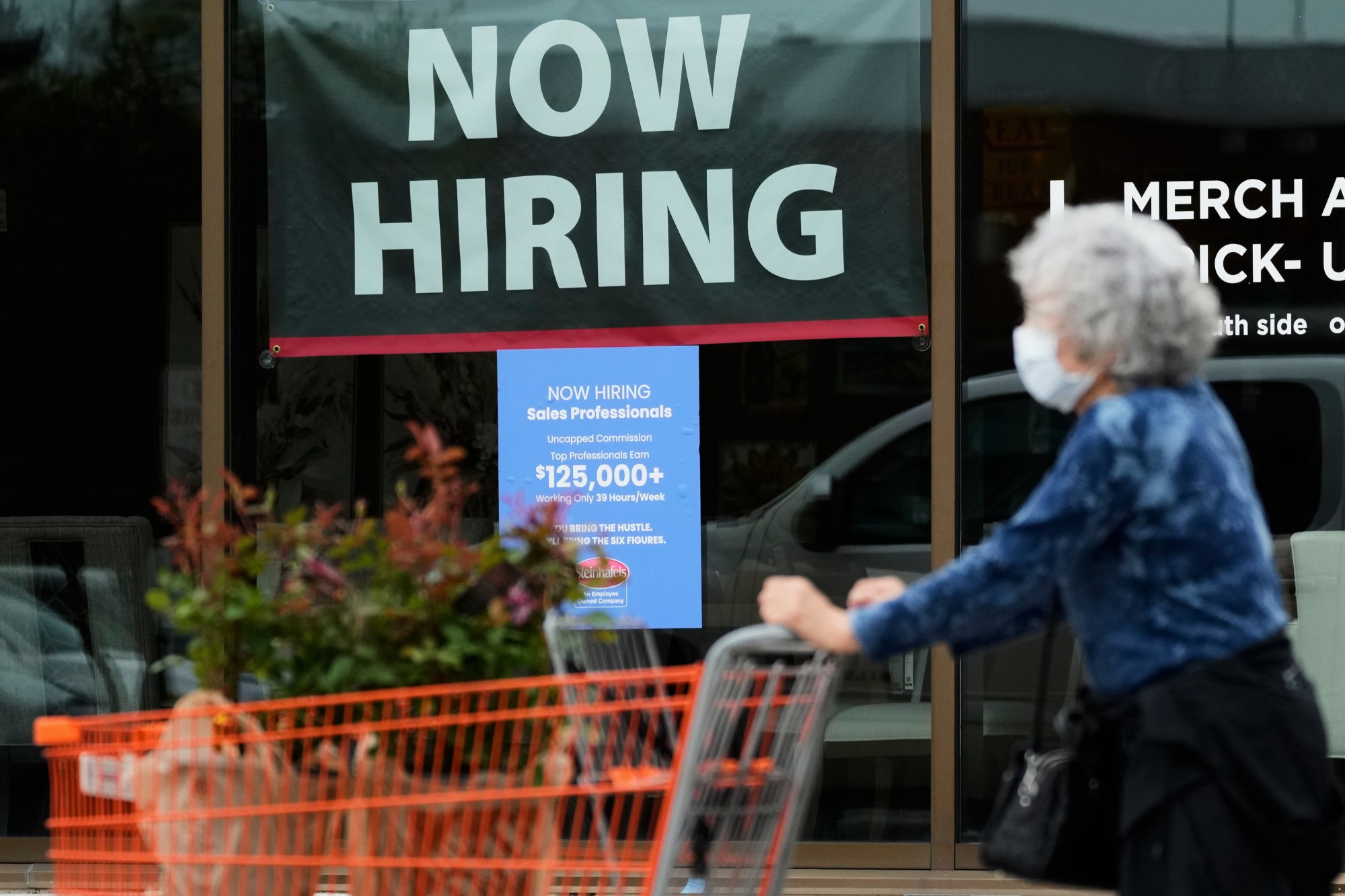
While the situation is positive for those currently employed, it is more challenging for job seekers, particularly those trying to enter the job market or those searching for new positions after losing a job. Companies, still affected by worker shortages following the COVID-19 lockdowns, are holding onto current staff but remain hesitant to hire new employees. Economists frequently describe this as a “no hire, no fire” job market.
Recently, it was reported that various sectors, including companies, government agencies, and nonprofits, collectively eliminated 23,000 jobs instead of expanding the workforce. This year, employers are averaging 61,000 new jobs per month. This marks an improvement over the 9,700 monthly average last year, which was the weakest hiring rate outside of a recession since 2002. The slow hiring in 2025 has been attributed to the lingering impact of high interest rates and previous trade policy issues under President Donald Trump.
Despite current gains, hiring remains below the 166,000 jobs added per month in 2023 and 2024 and significantly less than the 491,000 monthly average during the 2021-2022 hiring surge post-pandemic lockdowns.