
The U.S. has halted its airstrikes on Iran following nearly two weeks of increased bombing. Diplomatic efforts are advancing to prevent a possible escalation into full-scale war. This conflict, now nearing its fifth month, might be at a critical juncture.
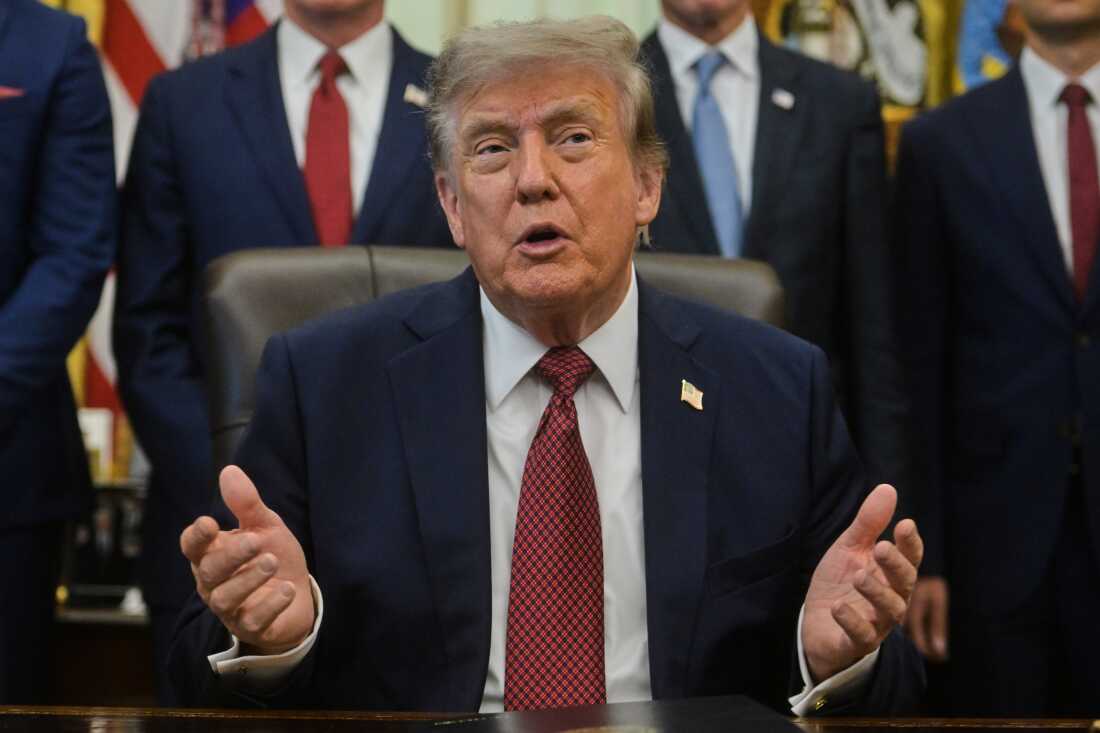
President Donald Trump has both threatened additional strikes and indicated ongoing discussions, while dismissing concerns about rising gas prices’ impact on the upcoming midterm elections. Israeli Prime Minister Benjamin Netanyahu’s planned visit to Washington next week adds to the complexity, with Israel having initiated the conflict alongside the U.S. on February 28. Despite Iran’s effective blockade of the Strait of Hormuz, Israel has not joined in the renewed American attacks.
“The Iranians understand that perhaps it could get worse because Israel could come into the conflict,”
said Michael Singh, managing director at the Washington Institute for Near East Policy. He noted that Israel’s restraint might also suggest a desire to limit the conflict. Singh, previously with the National Security Council during George W. Bush’s presidency, expressed caution in interpreting the current lull in fighting. He pondered if it is merely an operational pause or part of behind-the-scenes diplomacy.
Mediators Push for Diplomacy
An unnamed regional official involved in peace negotiations stated that ongoing diplomacy is positively impacting the situation. A pause in U.S. strikes and Iranian counterattacks on neighboring American bases signals hope for de-escalation. The U.S. and Iran aim to return to an interim ceasefire deal, centering on reduced restrictions for ship transit through the Strait of Hormuz. This is currently under negotiation with Iran suggesting fewer ship constraints.
Iran’s Foreign Ministry spokesperson, Esmail Baghaei, confirmed recent technical talks with Oman over the strait. Iran initially tightened control over the Persian Gulf waterway by targeting tankers. This conflict has led to rising oil prices, causing domestic dissatisfaction in the U.S. and risking Republican politicians’ standings in the looming elections.
After an interim ceasefire in June, a battle ensued for control over the strait. Iran insists on routing ships along its coast, potentially charging fees. Ships have been taking a southern route near Oman, overseen by the U.S., prompting Iranian assaults on vessels. American forces have targeted Iran’s coastal defenses to protect shipping routes, expanding assaults deeper within Iran’s territory.
Singh observed this as a U.S. strategy to bring Iran back to negotiations. He noted that varying messages from Iran, a country with divided leadership, complicate diplomacy. Iranian factions might perceive compromising with the U.S. as a weakness. However, reopening the strait is imperative for both nations economically, though under differing terms.
Trump Talks Diplomacy Amid High Regional Tensions
Despite reduced hostilities, regional tensions stay elevated. On Saturday, Yemeni Houthi rebels, supported by Iran, launched rockets at Saudi Arabia in retaliation for Saudi strikes on Hodeida. They claim to have closed the Bab el-Mandeb Strait, crucial for Saudi oil amid Strait of Hormuz disruptions.
The U.S. continues imposing a naval blockade on Iranian ports, disabling a Mozambique-flagged vessel in the Gulf of Oman on Friday after it attempted breach. Trump persists in threatening Iran while promoting diplomatic options. In discussing his strategy, Trump highlighted two paths: intensified dismantling of Iran’s military or ongoing negotiations. Although he doubts Iran is ready for a deal, he senses they are becoming more serious due to pressing circumstances.
Trump convened with top national security advisors on Friday to assess whether to sustain or escalate military tactics. For the first time in 13 nights, no U.S. strikes were reported in Iran. Despite looming elections, Trump reassured that he is not rushing for resolution, emphasizing that the electoral outcome will manage itself.