
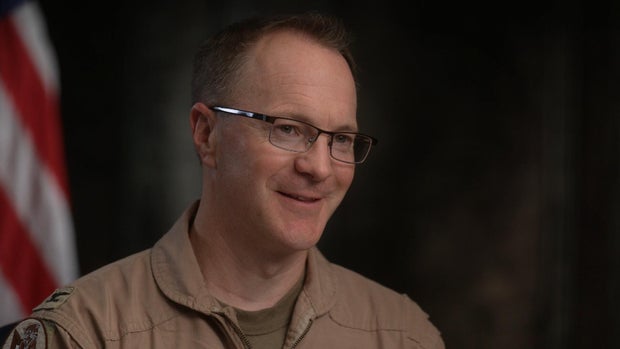
The Air Force confronted a crisis when an F-15E fighter jet crashed over the mountainous area of Iran’s desert. The incident involved a U.S. aviator, identified as Bravo, who was the weapons-systems officer on a mission with the call sign Dude 44. This came after Iranian forces shot down the aircraft in April, creating a harrowing situation for the crew.
Dude 44’s Mission and Challenging Circumstances
Dude 44’s mission on April 2 aimed to strike industrial facilities tied to Iran’s drone and missile programs near Isfahan. U.S. forces have completed about 13,000 sorties in the ongoing conflict with Iran. On this particular mission, a shoulder-fired missile, costing significantly less than the $30 million fighter jet, brought it down.
Survival and Rescue
Following the missile strike, Bravo described the impact as tremendous, likening it to a freight train hit. Together with the pilot, Alpha, they ejected from the aircraft. Alpha was rescued first and returned to serve the Air Force, but Bravo faced a life-threatening ordeal on the ground.
Bravo landed roughly five miles from Alpha, sustaining severe injuries, including broken bones. Despite this, he moved swiftly to avoid capture.
Efforts from U.S. Military and Beyond
The situation quickly grabbed attention back in the United States. Defense Secretary Pete Hegseth emphasized a commitment to bringing the crew back, regardless of their condition. As armed groups closed in on Bravo, the U.S. military closely monitored developments.
A complex rescue operation followed. Hours after the crash, a successful mission extracted Alpha under intense conditions, but Bravo remained stranded. Communication with Bravo confirmed his survival, prompting continued rescue efforts.
CIA and Military Collaboration
The CIA executed a deception strategy to distract Iranian search efforts for Bravo. Sophisticated technology pinpointed his position, while American bombers cleared obstacles by attacking nearby Iranian forces.
Final Rescue: A Test of Skill and Determination
Admiral Cooper stated that more than 90 U.S. service members supported Bravo’s extraction, marking the first American boots on Iranian soil in decades. The rescue team used specialized aircraft and helicopters to retrieve Bravo from his perilous location.
Bravo described the encounter with his rescuers as one of the most remarkable moments of his life. Despite challenges with the rescue planes, the U.S. military successfully extracted him, ultimately destroying the abandoned aircraft to safeguard technology.
A Testament to Teamwork and Leadership
With his rescue occurring on Easter Sunday, Bravo described the operation as a profound representation of American resolve and commitment to leaving no man behind. The effort highlighted the intricate coordination and unwavering dedication of military personnel.