
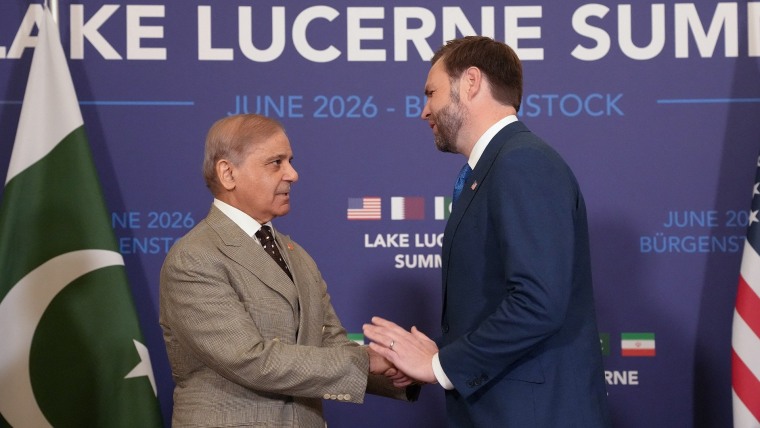
High-level discussions between Iran and the United States have concluded with significant progress. Vice President JD Vance remarked positively on the developments as he departed Switzerland, highlighting a roadmap aimed at ending the conflict within 60 days.
Vance expressed optimism at a press briefing, stating, “We laid a very good foundation for a successful final deal. The final deal is the house. We set the foundation. We haven’t built the house, but we’ve laid a successful foundation to get to a good place for the American people.”
Technical dialogues continued at the Bürgenstock resort after initial marathon talks between senior representatives from both nations. The discussions faced initial challenges, notably being canceled due to President Donald Trump’s threats. Vance confirmed Iranian frustrations and defended the President, explaining, “What we told the Iranians yesterday is when you guys engage in what us millennials might call ‘trash talk,’ you can’t expect the President of the United States not to respond and not to correct the record.”
The talks resulted in a joint statement from Qatar and Pakistan, highlighting the constructive atmosphere and accord on new communication channels. These lines aim to secure the Strait of Hormuz and end conflict in Lebanon.
Additionally, Iran consented to the return of inspectors from the International Atomic Energy Agency (IAEA). Iran’s negotiating team, led by Parliament Speaker Mohammad Bagher Ghalibaf, exited Switzerland after intensive discussions. Deputy Foreign Minister Kazem Gharibabadi was designated to lead the Iranian team in ongoing technical negotiations.
Key unresolved issues include Iran’s nuclear program. A notable outcome was establishing a “High Level Committee” for political oversight, which proposed a roadmap toward a final deal within 60 days. This includes the immediate start of technical talks regarding nuclear weapons, sanctions, and dispute resolution.
Further, the discussions led to a deconfliction line between the involved parties and Lebanon. Conflict persists in southern Lebanon between Iranian-backed Hezbollah and Israel, despite ongoing talks.
Communication initiatives aim to prevent incidents and miscommunication, ensuring safe commercial passage through the Strait of Hormuz—a vital oil supply route recently blockaded.