
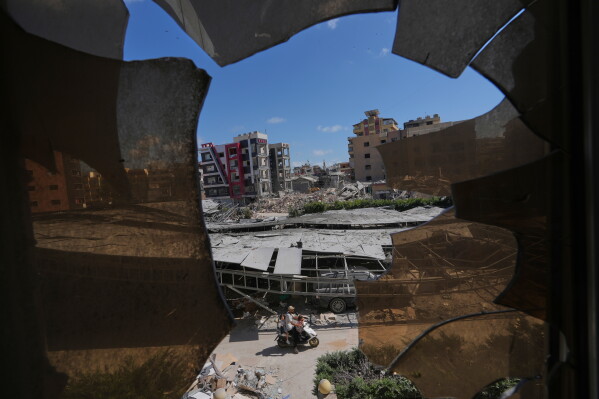
The American initiative to start crucial talks with Iran faced a delay as Iran postponed its visit to Switzerland. The delay followed Israeli military actions against Hezbollah militants in Lebanon. This development arose days after an agreement was reached providing a two-month window for negotiations on Iran’s nuclear program and oil traffic resumption through the Strait of Hormuz.
Iranian representatives refused to travel due to the need for Israeli strikes in Lebanon to end. Anonymous officials reported ongoing mediation efforts. A ceasefire renewal between Israel and Hezbollah was announced, but uncertainty remains over the future of U.S.-Iran negotiations.
In Washington, President Donald Trump criticized the situation, asserting that Iran was the desperate party. He stated that the U.S. would not offer financial aid prior to the talks’ conclusion.
Unexpected Change in Diplomacy
Vice President JD Vance had been ready to travel overnight to Switzerland for technical negotiations with Iran at a resort in Obbürgen. Preparations for the trip were set, with staff and media poised at Joint Base Andrews. However, the trip was abruptly postponed. According to reports, Iran hesitated to begin talks due to Israeli actions in Lebanon.
Though Vance and Iranian officials did not meet in Switzerland, Qatar’s Prime Minister Sheikh Mohammed bin Abdulrahman Al Thani met with Swiss officials to facilitate discussions. The White House recognized the unpredictability of the negotiation logistics.
Conflict in Lebanon
The situation in Lebanon escalated, resulting in several deaths from Israeli airstrikes and casualties among Israeli soldiers. Israel maintained a military presence in southern Lebanon, which Iran contests. While the deal ensures Lebanon’s territorial integrity, it is vague about requiring an Israeli withdrawal.
Prospects for Direct Negotiations
Despite uncertainty, Iran’s Supreme Leader Ayatollah Mojtaba Khamenei signaled openness to direct U.S. negotiations, indicating a shift from previous government stances. His statement suggests Iran does not concede to U.S. opinions, showing a strategic shift in Iranian diplomacy.
The talks aimed to finalize an agreement initially planned to be signed in Switzerland. Instead, Trump signed it in France, emphasizing uranium stockpile reductions under international oversight and advocating for the non-proliferation of nuclear weapons by Iran.
Iran’s Confident Stance
Iran feels confident entering talks, having affected global oil markets by restricting access through the Strait of Hormuz. Analysts note Iran’s perceived negotiating strength and its potential domestic benefits from projecting equal footing with the U.S.
Political Implications for Vance
Vance’s role in the negotiations carries significant political weight as he is considered a future presidential contender. His stance against foreign wars could influence his political career. Differences within U.S. politics surface, with some Republicans disapproving of potential financial benefits to Iran.
Senator Roger Wicker criticized parts of the agreement, which seems out of line with Trump’s objectives. Trump emphasized his tough negotiation stance compared to past administrations, distinguishing his approach from former President Obama’s 2015 deal.