
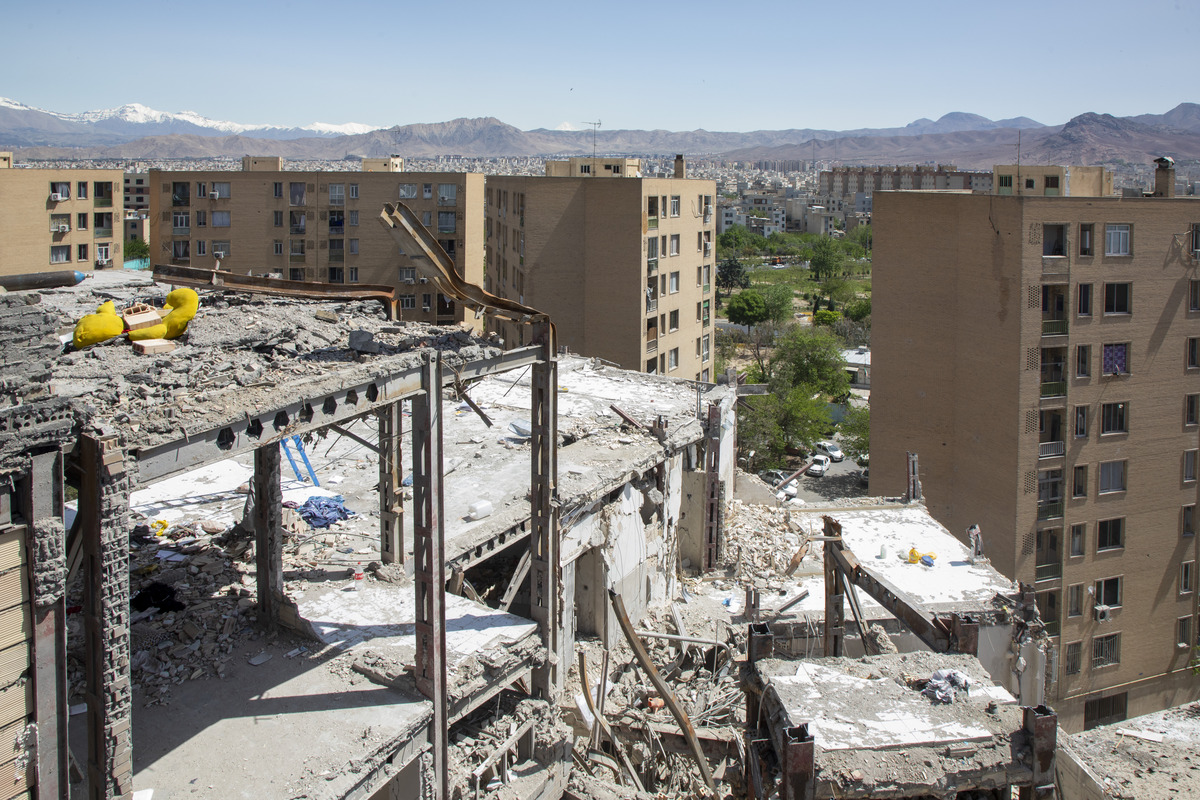
The notion that the United States might give Iran $300 billion for reconstruction is incorrect. The Trump administration firmly denies any intentions for American money to go toward reparations for Iran. Vice President JD Vance assured reporters that not a single cent from U.S. taxpayers will be directed to Iran.
Confusion Over the Reconstruction Fund
Confusion arises due to the agreement President Donald Trump signed, which includes a $300 billion Reconstruction and Development Fund for Iran. This fund aims to help Iran recover from the impact of military strikes and its struggling economy. Point 6 of the 14-point memorandum of understanding specifies a plan to be devised within 60 days as the U.S. negotiates with Iran over nuclear issues. The cancellation of planned talks in Switzerland has left many details unclear, such as fund operations and investment sources.
Funding Sources and U.S. Involvement
U.S. officials emphasize that American taxpayers will not fund the initiative. Private investments will drive the fund, with the U.S. holding control over essential waivers and permissions due to existing sanctions on Iran. Gulf Arab states are expected to contribute significantly, as indicated in the deal’s mention of ‘regional partners.’ Companies from the U.S., Middle East, Asia, Africa, and South America have pledged over half of the fund, according to sources cited by Reuters.
Vance mentioned potential Iranian economic benefits could emerge from international investments, contingent on Iran’s internal reforms. One hypothetical scenario involves the U.S. lifting sanctions to allow UAE investment in Iranian infrastructure like a power plant, which represents assistance to the population rather than the regime. This kind of investment would require significant sanctions adjustments.
Challenges and Skepticism Regarding Investment
There is skepticism about whether the $300 billion fund will come to fruition. While the White House might ease some sanctions, those enforced by Congress could pose a challenge. Congressional sanctions have penalized companies in the Iranian energy sector and deterred foreign banks from engaging with Iran due to the risk of losing access to U.S. systems.
The logistics of unraveling these sanctions present significant hurdles.
Frozen Assets and Economic Recovery
Trump indicated a willingness to eventually release Iranian funds, referring to them as ‘their money.’ The deal outlines efforts to make frozen Iranian assets, valued by Iran at a minimum of $100 billion, fully accessible. Initial focus is on releasing $12 billion, with possibilities for more if Iran adheres to initial nuclear agreements.
The U.S. plans to issue oil waivers, potentially aiding Iran’s economic recovery even ahead of final agreements on contentious issues such as nuclear ambitions. Iran’s economy relies heavily on oil, making U.S. sanctions on oil exports through the Strait of Hormuz impactful.
Historical Context and Potential Impact
The U.S. generally refrains from paying reparations but may contribute to reconstruction. Historical precedents include World War I reparations or Iraq’s post-Gulf War payments to a U.N. fund. Iran has requested $270 billion in reparations, but private investments could facilitate U.S. acknowledgment of Iran’s demands and motivate nuclear concessions.
Ultimately, $300 billion in investments could support Iran’s immediate economic needs without entirely resolving the war’s lasting effects, suggests Hellyer. Yet, this figure alone will not fully rectify the damage.