
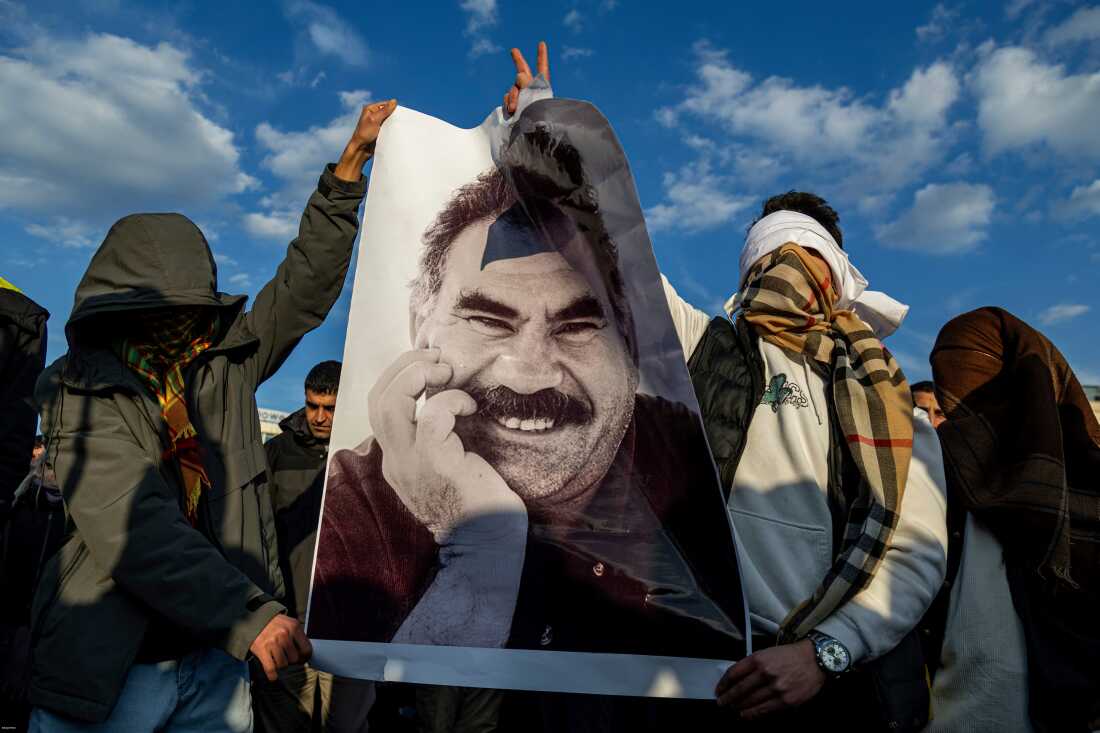
Ankara, Turkey — Turkey’s parliament has approved legislation aimed at advancing peace with the Kurdistan Workers’ Party (PKK), a militant Kurdish group. The law introduces a conditional pardon for thousands of Kurdish militants. Legislators voted overwhelmingly in favor, with 468 in support and 88 against.
The legislation takes effect once Turkey confirms that the PKK has fully disarmed. This follows the PKK’s announcement last year to cease its armed campaign against the Turkish state. PKK leader Abdullah Ocalan, currently imprisoned, called for this move.
Following the announcement, the PKK held a symbolic disarmament ceremony in northern Iraq, where the group is based, and began withdrawing fighters from key areas in Turkey to Iraq.
Regional Implications
The law could lead to strengthened ties between Turkey and Iraq, and may assist Syria in reintegrating areas previously dominated by the Kurdish-led Syrian Democratic Forces, affiliated with the PKK. It also provides Turkish President Recep Tayyip Erdogan a chance to gain support from the pro-Kurdish DEM party. This could help Erdogan remain in office if parliament initiates an early presidential election.
The legislation includes 12 articles detailing disarmament procedures and rehabilitation of PKK members. It suspends certain sentences and delays investigations and trials for up to ten years. Cases will be dismissed if no terror-related crime occurs within this period.
Militants convicted of intentional killings and those sentenced before 2005 do not qualify for this pardon. This exemption applies to Ocalan and other senior figures.
Committees will oversee the disarmament process, and the measures will be enacted only after Turkey’s National Security Council verifies the PKK’s full disarmament.
PKK’s Response
The PKK-linked news outlet, ANF, stated that while this legislation marks a start, it lacks thorough addressing of democratic reforms and Kurdish rights. It seeks Ocalan’s release, asserting the peace process requires his freedom.
PKK members insist they will not give up weapons or return to Turkey if they cannot freely engage in politics without prosecution.
The pro-Kurdish DEM party emphasizes the importance of consolidating peace and democracy, despite the proposal’s shortcomings.
Ocalan’s Status and Future Prospects
DEM pushes for Ocalan to coordinate the transition, hoping this leads to his release. Yet, the proposal does not address Ocalan’s release. Reports suggest his prison conditions may improve, allowing broader visitation and communication.
The PKK’s insurgency since 1984 has resulted in tens of thousands of deaths and expanded into Iraq and Syria. Designated a terrorist organization by Turkey, the United States, and the European Union, the PKK initially sought an independent Kurdish state but now focuses on autonomy and rights.
Previous peace efforts between Turkey and the PKK failed, most notably in 2015.