
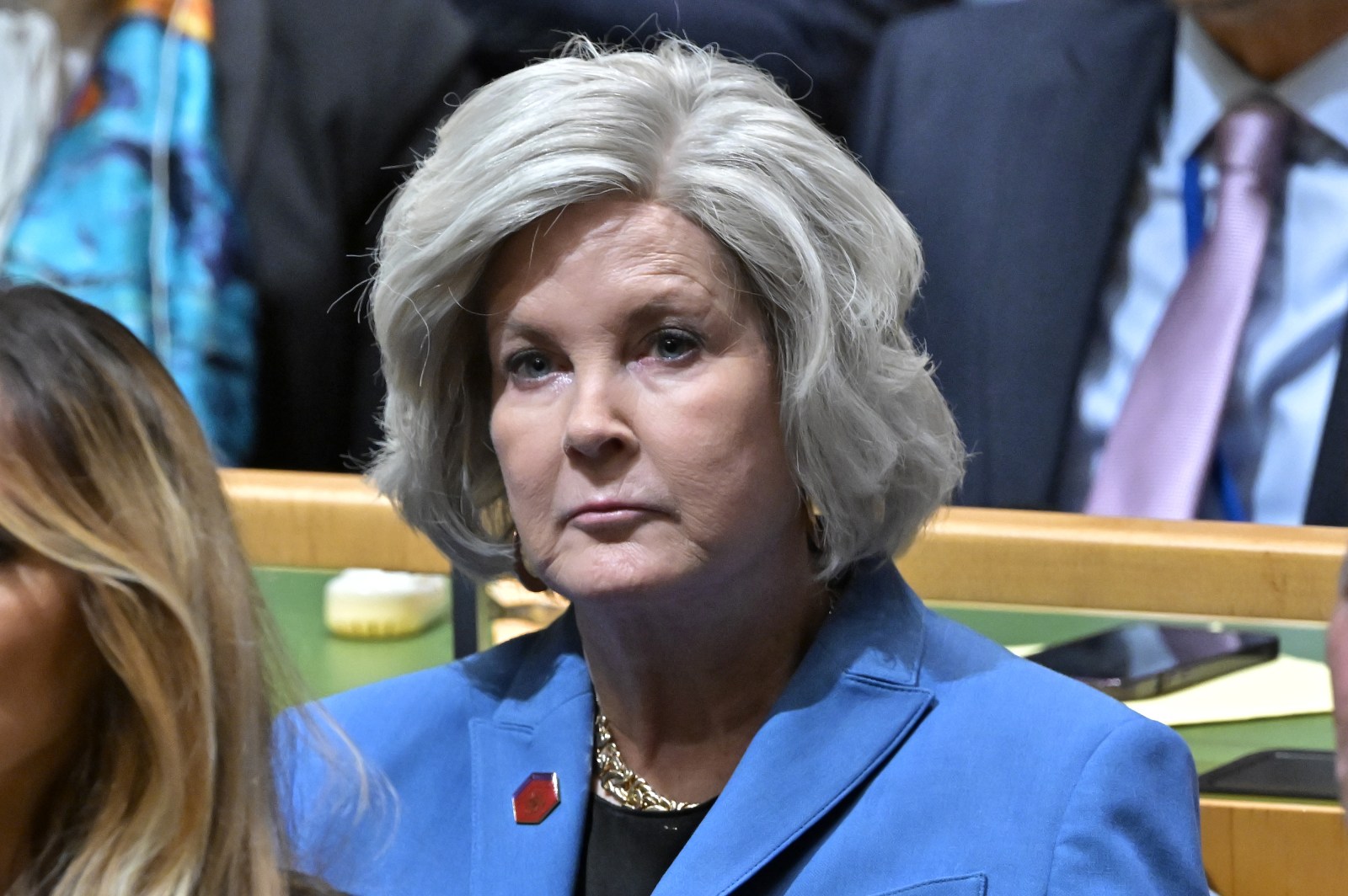
President Donald Trump announced a significant change in his administration by replacing White House Chief of Staff Susie Wiles with Stephen Miller. This decision follows the Republican Party’s midterm election defeat, raising questions about future changes in Trump’s administration.
Trump revealed on Truth Social that Stephen Miller, who currently serves as deputy chief of staff and one of his close advisers, will step into the chief of staff role starting Monday. Susie Wiles will transition to Trump’s political operation. In his announcement, Trump praised Wiles for her service and credited Miller as a trusted advisor.
The change comes shortly after Republicans lost the midterm elections, with Democrats taking control of both chambers of Congress. This shift has sparked discussions about the direction Trump’s administration may take under Miller, a key figure in Trump’s domestic policy decisions, particularly on immigration.
“I am pleased to announce that Mr. Stephen Miller, the current Deputy Chief of Staff of the Trump Administration, and one of my most trusted advisors, will become the Chief of Staff starting Monday, November 9, 2026,” Trump wrote. “Susie Wiles, who has done an outstanding job, will be moving over to the Trump Political Operation. I want to thank her for her service as Chief of Staff — She has done a great job!”
Beyond the chief of staff role, other administration figures are under scrutiny. Secretary of State Marco Rubio faces rumors about a 2028 presidential bid. Defense Secretary Pete Hegseth has been under pressure due to the administration’s Iran policy, facing possible impeachment upon Congress’s return. Even Vice President JD Vance has started to publicly distance himself from Trump regarding the war.
FBI Director Kash Patel, Commerce Secretary Howard Lutnick, and Transportation Secretary Sean Duffy are among those speculated to be under review as Trump’s team navigates a challenging political landscape.
Trump initially resisted a broad Cabinet shake-up post-midterms. However, in an interview with Fox News, he stated he did not plan significant changes to his Cabinet. Inquiries by Newsweek about possible changes in senior roles received a response from White House spokeswoman Danielle Alvarez, emphasizing the administration’s focus on their agenda rather than on personnel rumors.
Alvarez’s statement came before Trump confirmed Wiles’ replacement by Miller, expressing confidence in his Cabinet but mentioning potential changes. Trump later mentioned wanting a change as a straightforward reason for Wiles’ move.
Wiles responded by acknowledging her transition in a post, reflecting pride in her work under Trump’s administration. She emphasized her continued commitment to the president and his mission, despite her role change.
“Serving President Trump in the White House has been the honor of a lifetime. I’m so proud to have been a part of what we’ve accomplished together from securing our border and cutting taxes to strengthening our economy and putting America First,” Wiles wrote.
Former White House Press Secretary Karoline Leavitt expressed strong support for Miller as the new chief of staff, highlighting his alignment with the America First movement.
Discussions about Susie Wiles’ role have been ongoing, with some former staffers suggesting she should bear responsibility for the election defeats. Despite various criticisms, Trump publicly defended Wiles against negative reports.
Pete Hegseth remains a potential target for departure due to issues surrounding the Iran conflict and Pentagon management controversies. Articles of impeachment against Hegseth could be introduced following midterm losses attributed partially to the war’s unpopularity.
Speculation suggests Marco Rubio might leave to distance himself from unpopular policies and prepare for a possible presidential campaign. Prediction markets have captured increasing speculation about these potential departures.
Vice President JD Vance’s stance on the Iran war reveals potential fractures within the administration. Meanwhile, Kash Patel faces scrutiny over his FBI leadership, reflecting broader personnel evaluations in the post-election period.
Commerce Secretary Howard Lutnick’s future may also align with economic success or challenges in Trump’s administration. Prediction markets indicate varying probabilities of cabinet members leaving their roles by year-end.
Resignations, such as that of Justice Department official Harmeet Dhillon, signal potential ongoing changes. Other notable resignations include John A. Eisenberg and Jason Reding Quiñones, contributing to the evolving personnel landscape.
Stephen Miller’s rise to chief of staff may consolidate Trump’s policy-driven agenda, reflecting potential shifts in focus post-defeat. His appointment underscores a commitment to Trump’s core principles but may not alleviate concerns among Republicans seeking strategic changes.