
Trump’s Announcement on Fuel Economy Standards
President Donald Trump announced changes to fuel economy standards, aimed at shifting away from earlier policies under President Biden. He claims these changes will lower car prices and boost U.S. auto manufacturing.
In a statement on Truth Social, Trump criticized previous standards, saying they increased costs for both automakers and consumers, steering manufacturers toward electric vehicles. He promised the new standards would help cut prices and strengthen domestic production.
“That means LOWER PRICES, saving families thousands on a new, beautiful, and safe car,” Trump wrote.
Details of the new standards were not provided, and the administration had yet to issue a comprehensive rule following Trump’s announcement. The proposal aims to reduce fuel economy requirements set under Biden.
Anticipated Broader Announcements
Trump’s post preceded a potential wider announcement from the administration. Transportation Secretary Sean Duffy indicated on X that a “major victory for America’s auto workers” was expected, though specifics remained unclear.
Newsweek sought comments from various entities including the White House, Department of Transportation, and National Highway Traffic Safety Administration.
Impact on Auto Manufacturing Jobs
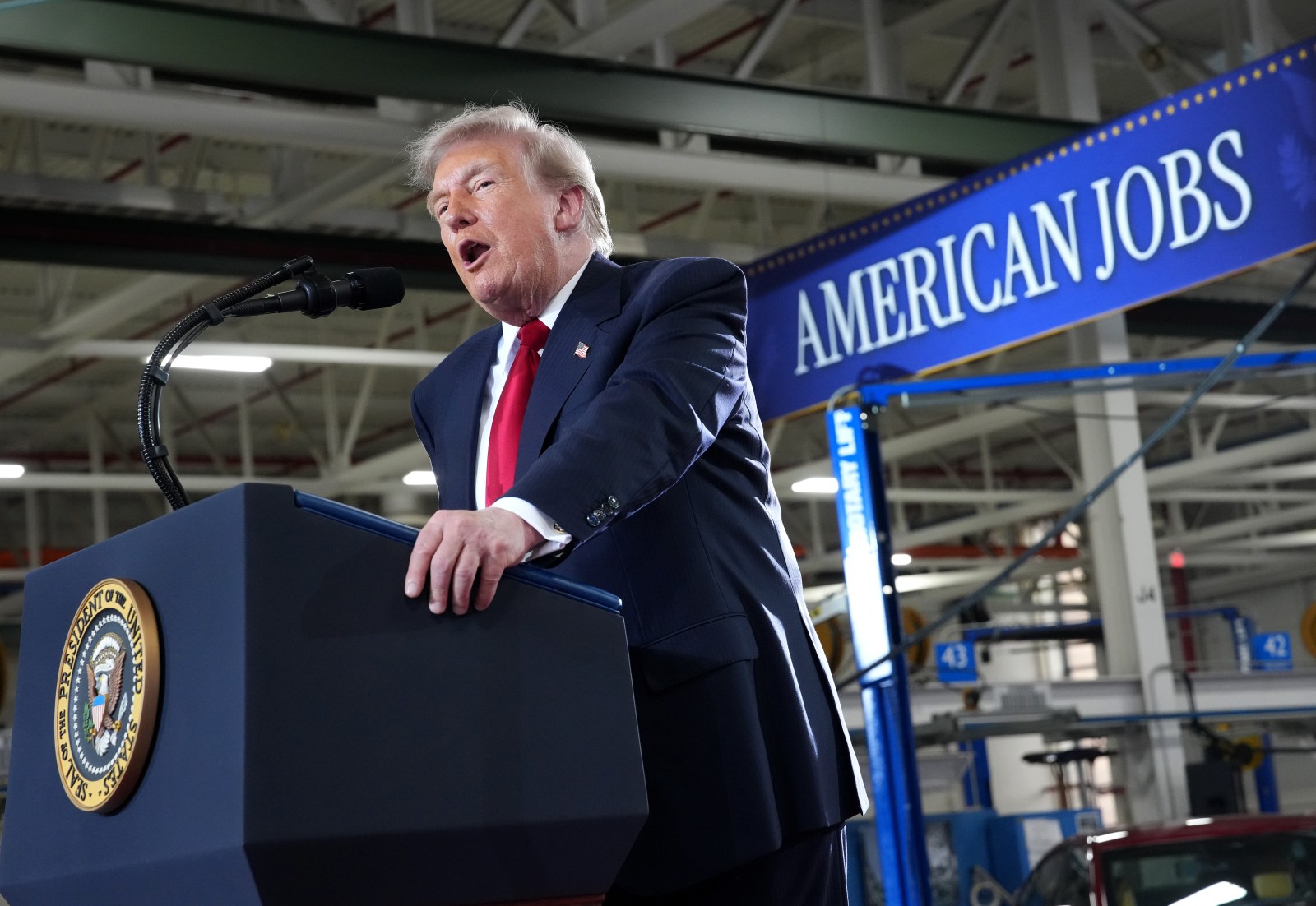
Trump stated the new standards would drive manufacturing jobs and investments in states like Michigan, Ohio, Indiana, and South Carolina. He emphasized ease for automakers in producing vehicles that appeal to consumers.
He expressed gratitude to Duffy and Commerce Secretary Howard Lutnick for supporting the administration’s auto policies. Trump also mentioned conversations with executives from General Motors, Ford, and Stellantis about expanding U.S. manufacturing.
Details from NHTSA
In August, the administration indicated plans to significantly lower fuel economy requirements. Duffy suggested the focus should be on consumer-preferred vehicles rather than those preferred by policymakers.
A December proposal from the National Highway Traffic Safety Administration suggested a fleetwide average of 34.5 mpg by 2031, compared to Biden-era standards of 50.4 mpg. Whether Trump’s standards align with this proposal or offer further changes remains to be seen.
Biden’s rules aimed to decrease fuel consumption and emissions while promoting fuel-efficient and electric vehicles. Supporters believe these standards could reduce oil use and emissions. However, Trump and supporters view these policies as akin to an electric vehicle mandate, despite no requirement for consumers to buy electric vehicles.
Debate on Costs, Fuel Use, and Emissions
Supporters of Trump’s rollback argue for potential reductions in vehicle prices and compliance costs. NHTSA estimates earlier proposals could reduce new vehicle costs by $930, though increased fuel use, spending, and emissions are expected.
Trump’s action continues reversing policies favoring electric vehicle growth. Previous congressional moves have ended tax credits for electric vehicle purchases post-September 2025 and restricted California’s zero-emission vehicle regulations by 2035, resulting in legal debates.
Clarification on when these new standards will be effective, and if they match earlier administration proposals, remains pending additional updates.