
Recent Court Ruling
The Trump administration highlighted a court victory concerning Temporary Protected Status (TPS) as a district judge decided to allow the Department of Homeland Security (DHS) to end protections for Ethiopian TPS holders. Judge Brian Murphy’s decision means that 13 countries which were under the TPS protection have lost their status during President Donald Trump’s second term. Some had their status terminated last year, and others were impacted by the Supreme Court ruling in favor of DHS.
The DHS is not making further comments on future operations; a spokesperson stated that TPS is meant to be temporary, not a permanent amnesty program.
“Temporary Protected Status is exactly that—temporary,” said a DHS spokesperson.
Murphy’s Court Decision
Judge Murphy concluded that significant legal concerns raised by Ethiopian TPS holders could not progress due to recent Supreme Court rulings. Yet, he allowed one claim alleging racial or national-origin bias against the administration’s decision to survive. He referenced another federal court’s view, calling it premature to dismiss discrimination claims, thus enabling discovery for the plaintiffs.
“This is extremely disappointing. The crisis in Ethiopia is ongoing,” said Diana Konaté of African Communities Together.
Konaté mentioned significant displacement caused by conflict in Ethiopia, with millions affected.
Efforts on TPS
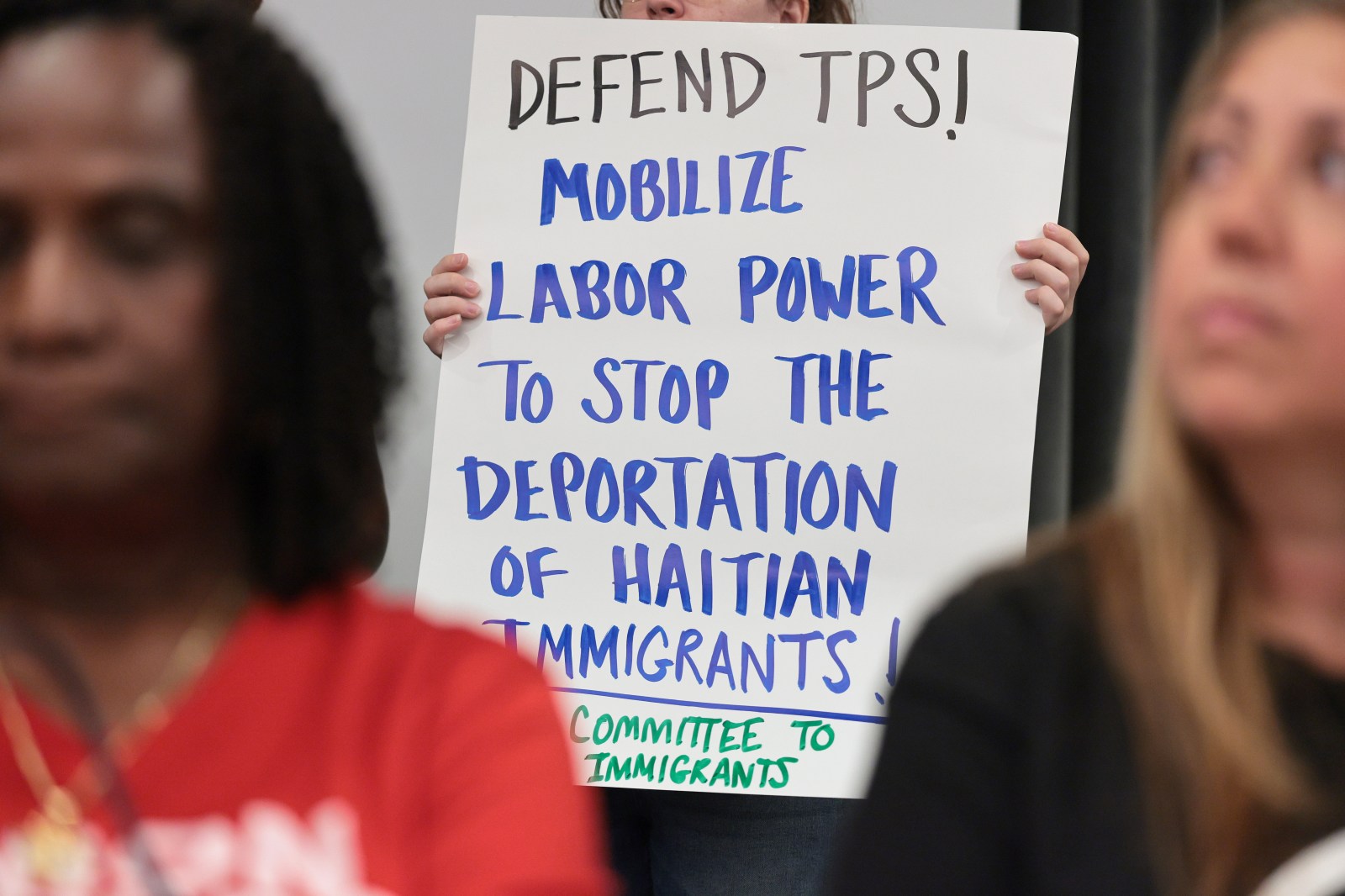
TPS provides legal work status to nationals from countries facing extraordinary challenges. Upon Trump’s return to office, 17 countries held TPS designations. Since then, the policy ended for 13 countries impacting nearly 1 million recipients. The administration maintains that conditions have improved in these nations, allowing return.
Immigration advocates argue against these assessments, noting enduring instability and crisis in many countries. Despite dissent, the Supreme Court decision in 2026 supported TPS termination actions.
Current TPS Designations
Only a few TPS designations remain, including Ukraine, Sudan, Lebanon, and El Salvador. Lebanon’s status was extended due to ongoing Middle East conflicts. Yet, TPS faces scrutiny as renewal deadlines approach. The administration asserts broad authority over TPS decisions.
Consequences of Lost TPS
The impacts vary for those losing TPS, based on their immigration status. Some may have asylum cases or other pathways, while others risk deportation if they don’t qualify for a different legal status. DHS offers repatriation assistance, including financial aid.
Advocates emphasize the hardships of returning to home countries, given established lives in the U.S. Judge Murphy’s ruling allows the pursuit of discrimination claims, though it reinforces the administration’s TPS revocation efforts following favorable Supreme Court rulings.