
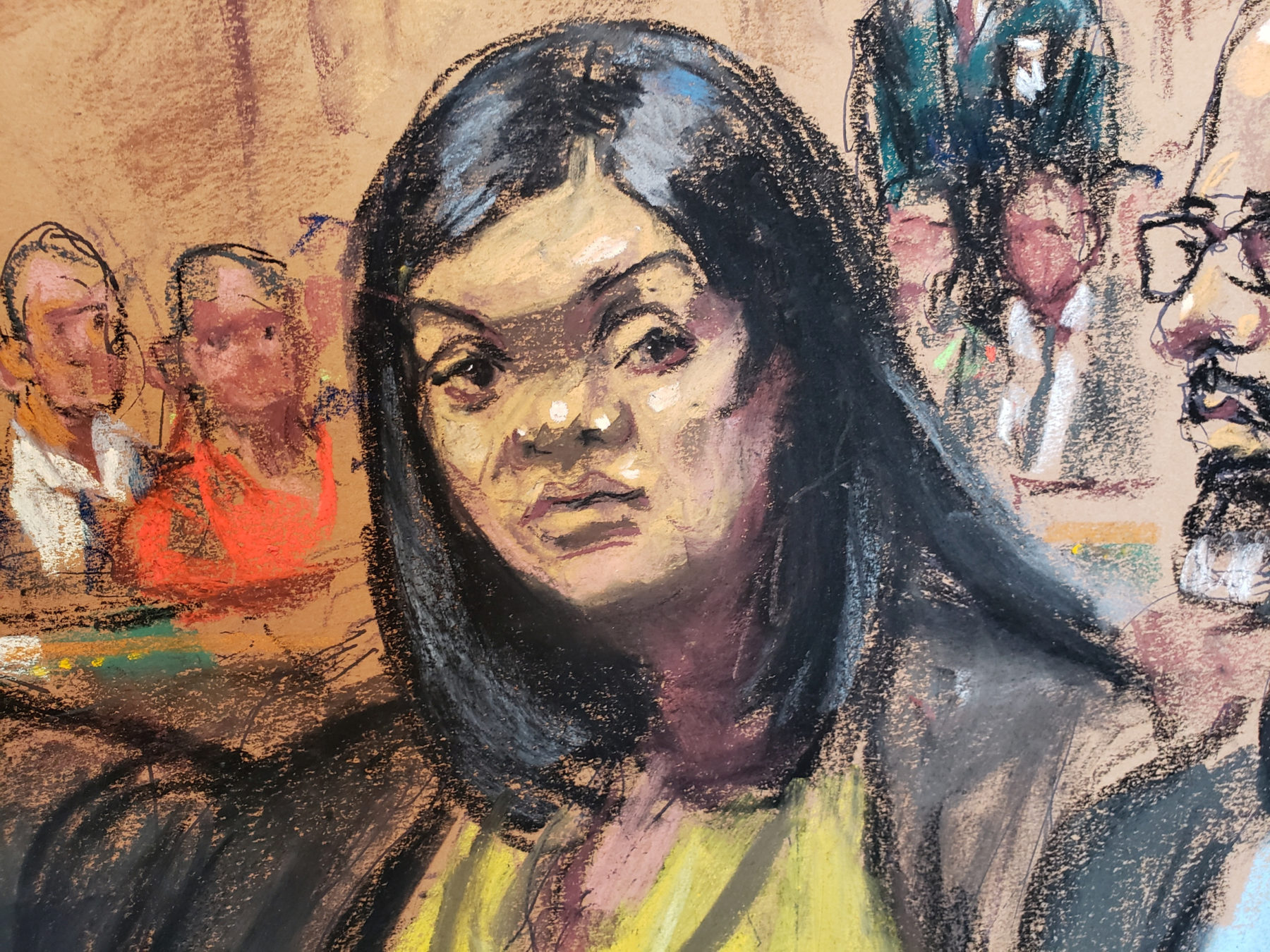
Tova Noel, a former prison guard at the correctional facility where convicted sex offender Jeffrey Epstein was found dead, is set to give testimony on Monday in a closed-door deposition before the House Oversight Committee. Noel was one of two prison guards working the night of August 9, 2019, the evening prior to Epstein’s death in his cell. She has informed federal investigators that she may have been the last individual to see Epstein alive. The New York City’s medical examiner labeled Epstein’s death as a suicide, however, subsequent issues, such as apparent missteps by prison officials and discrepancies in security footage from outside Epstein’s cell, have generated conspiracy theories and speculation concerning his death.
The committee’s investigation focuses on the federal government’s management of cases involving Epstein and his former associate, Ghislaine Maxwell. Many influential figures from varied sectors, such as politics, finance, and entertainment, have emerged in the Epstein files released by the Department of Justice. Although inclusion in the files does not necessarily imply wrongdoing, some individuals have faced resignations and calls for increased accountability. Prominent individuals who have previously delivered testimony to the committee include former President Bill Clinton, former Secretary of State Hillary Clinton, Secretary of Commerce Howard Lutnick, billionaire Les Wexner, and Ted Waitt, Maxwell’s former boyfriend.
Who is Tova Noel?
Noel served as a correctional officer at the Metropolitan Correctional Center in New York City. Prior to her prison role, she worked as a patient administrative specialist in a hospital with the U.S. Army. She received an honorable discharge in 2014. Noel earned her bachelor’s degree from John Jay College of Criminal Justice in 2017 and joined the federal Bureau of Prisons the next year.
What’s the Committee’s Interest in Noel?
In 2019, Tova Noel appeared in federal court in New York City on charges of falsely certifying inmate counts during Epstein’s final hours. Noel has previously testified for the Department of Justice inspector general. During her 2021 testimony, she stated she likely was the last person to see Epstein alive in his cell at or shortly after 10 p.m. Noel was present when Epstein’s body was discovered around 6:30 a.m. the following day and observed fellow officer Michael Thomas performing CPR.
She testified that she heard no noise from Epstein’s cell between 10:30 p.m. and when another guard found him unresponsive during breakfast checks. Federal investigators charged Noel and Thomas in 2019 with falsifying records and indicating on prison logs that they conducted check-ins of prisoners the night of Epstein’s death without actually doing so. Epstein was housed in the MCC’s Special Housing Unit, where checks are mandatory every 30 minutes. Investigators reported no checks were performed overnight, but Noel countered in her 2021 deposition, recalling completing most checks during her shift. She explained that guards typically perform checks while handling routine duties such as restocking supplies and food distribution.
Both guards were accused of sleeping and web surfing in the hours leading to Epstein’s discovery. Noel and Thomas later avoided jail time by accepting a plea agreement with federal prosecutors involving community service and cooperation in the ongoing Epstein death investigation. Noel denied she slept that night and admitted using the internet, but was unsure if authorized.
Noel’s Contact with Epstein
Noel stated during her deposition that she only interacted with Epstein once on August 9. She recalled instructing him to wait before leaving a shower cell, following a phone call, until other prisoners left. She considered this interaction normal. Around 10 p.m., during a count, Epstein requested her to plug in his CPAP machine used for sleep apnea therapy. Noel complied. She noted prisoners typically aren’t allowed CPAP machines due to lengthy cords, however, exceptions were made for Epstein.
Noel claimed no discussions were held regarding whether she needed to pay special attention to Epstein, despite his high profile status.
Supporting responsible journalism is vital for sustaining healthy democracy and civil dialogue.