
Fifty years ago, Los Angeles embraced a vision for a new transit concept that combined the privacy of car travel with mass transit efficiency. This concept, called ‘personal rapid transit’ (PRT), aimed to relieve the city’s car dependence without relying on buses or trains.
Despite rising awareness of vehicle exhaust contributing to regional smog, ongoing traffic congestion, and memories of the Arab oil embargo’s effects on fuel supply, the idea gained attention. The proposal came from C.G. Burke, a USC instructor, whose article in the Los Angeles Times portrayed PRT as an elevated system using electric pods for personal travel. This system promised privacy, non-stop travel, and safety akin to car use. The proposed network included 232 miles of track and 89 stations, offering express lanes for faster commutes.
Buses and trains shouldn’t be seen as punishments — they should offer favorable experiences for urban dwellers.
Politician Joel Wachs supported PRT, suggesting it as the best solution for the city’s needs. At that time, rail skepticism was high; many didn’t envision extensive elevated guideways. However, Mayor Tom Bradley remained committed to building a rail system, such as the Wilshire Boulevard subway, highlighting longstanding transport debates in L.A.
L.A.’s Journey in Public Transit
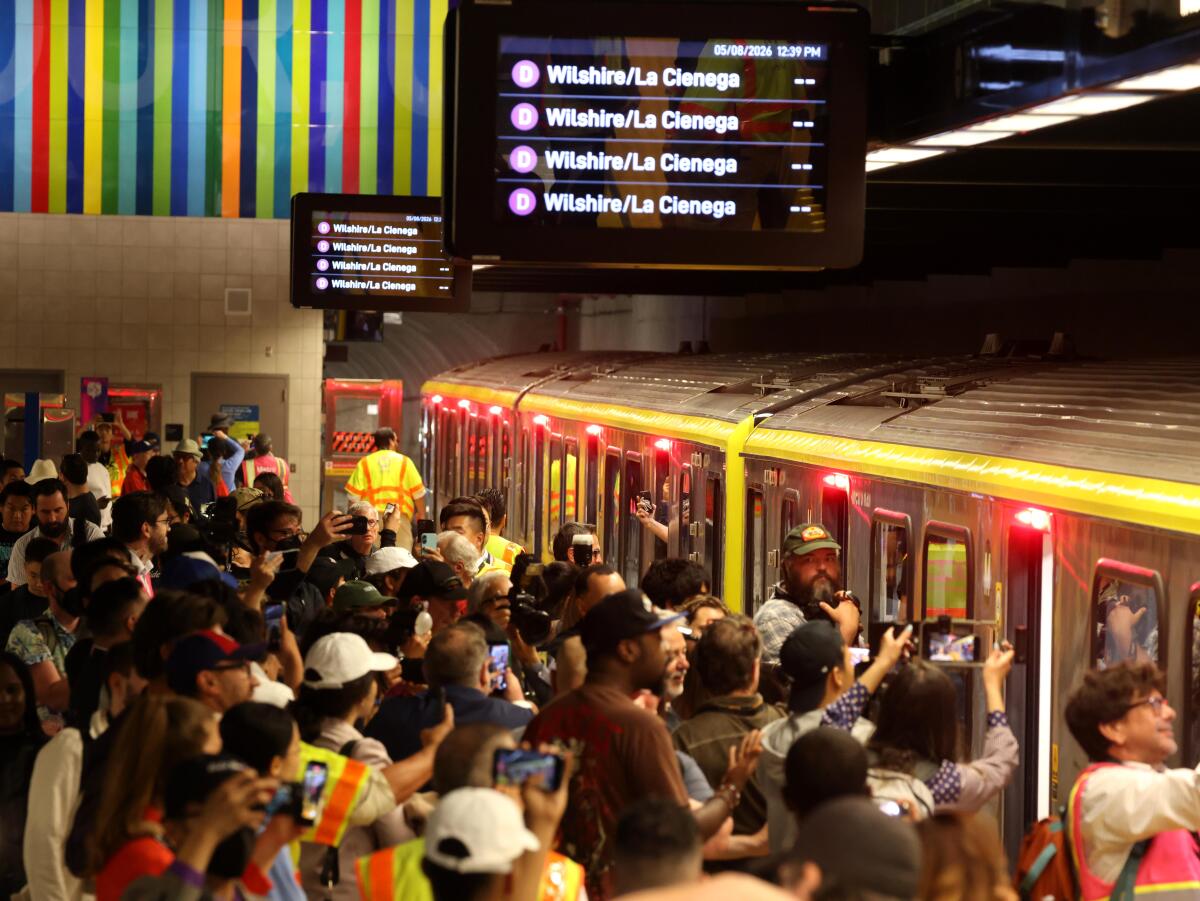
Fast forward to today, and attitudes towards mass transit have shifted. While solo driving persists, L.A.’s rail network has expanded significantly. Voter-approved taxes have pushed for new rail infrastructure, including the Wilshire subway, albeit delayed until 2026.
Recent arguments focus on the pace of developing transit lines rather than their necessity. For instance, frustration mounts over delays in the LAX people mover system. The modern version of the PRT’s concept can be seen in self-driving electric vehicles. These promise convenient travel without the need for parking but raise concerns about congestion and transit inequality.
California’s Present-Day Challenges
Currently, Californians face challenges like competitive courthouse wedding reservations and a severe heat wave. Forecasters predict temperatures between 95 and 110 degrees, posing health risks. Meanwhile, questions about permanent daylight saving time and new earthquake data highlight other state issues.
The contrast between past transportation ideals and present realities in Los Angeles reflects evolving priorities and ongoing debates over urban commuting solutions.