
Before joining ProPublica in 2021, I spent a year investigating a Georgia prison doctor, Carlo Musso. He was one of the few physicians who openly discussed his involvement with lethal injections. After Musso left his role, my curiosity led me to file records requests to determine his successor. However, more than a dozen states, including Georgia, have strict laws that prevent the disclosure of individuals involved in executions.
Georgia heavily protects details surrounding its lethal injections, citing a secrecy law intended to shield execution participants from potential harassment. The state denied my requests for records. Consequently, I sued Georgia. Years later, a panel of judges sided with me, resulting in some records being released, unveiling new aspects of Georgia’s lethal injection procedures.
Financial Insights from the Documents
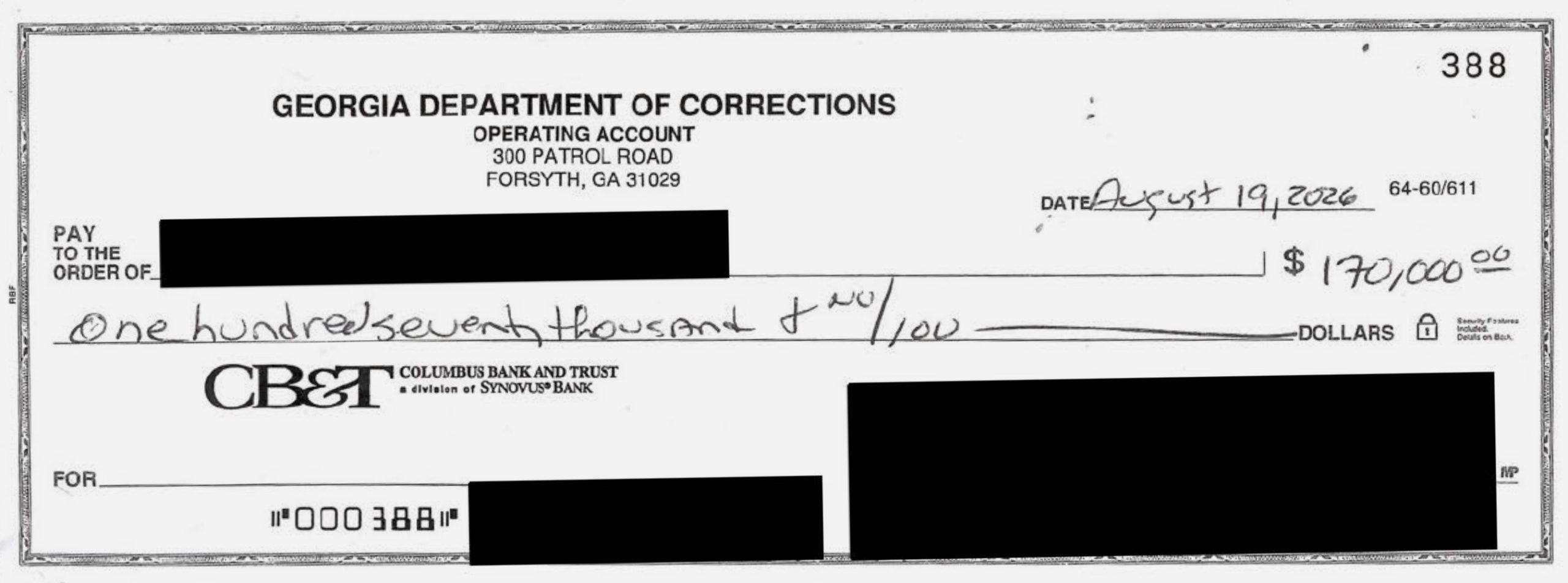
The records revealed a significant financial commitment by the state. Since the COVID-19 pandemic, Georgia paid over $1.1 million to at least one contractor assisting the Department of Corrections with lethal injections. This spending occurred during a period with only a single execution. The state now incurs substantial annual expenses, averaging over $150,000 on lethal injection-related costs in the past decade, a sharp increase from earlier agreements.
Independently, legal experts suggest these rising costs highlight the difficulties faced by corrections officials in sourcing personnel for lethal injections; this process can cause severe pain to prisoners. Deborah Denno, a Fordham University law professor, states that the high costs point to the problematic nature of the lethal injection process itself.
Beyond financial details, the Georgia Department of Corrections remains silent on the rising costs and secrecy. Similarly, the state attorney general’s office, which defended the department in my lawsuit, refrained from commenting.
Georgia’s Ongoing Secrecy
The enforcement of the Lethal Injection Secrecy Act helps protect contractors from becoming targets of public backlash. However, with a recent Georgia Supreme Court decision removing execution barriers, a new execution is scheduled. Each new execution stirs questions about the people conducting them.
Historical pressures from death penalty opponents intensified Georgia’s secrecy. By the late 2000s, campaigns urged pharmaceutical companies to cease selling lethal injection drugs. The last U.S. factory producing a key drug ingredient halted its production, and the European Union blocked such sales to the U.S.
As drug sources dwindled, Georgia turned to compounding pharmacies that mixed custom drugs. Though these pharmacies serve legitimate purposes, they are lightly regulated and expensive. This route appealed to states restricted from acquiring execution drugs from monitored companies. However, minimal oversight increased the risk of malfunctioning drugs.
Following these developments, Georgia enacted the Lethal Injection Secrecy Act, which state prosecutors dutifully defended. An assistant state attorney general questioned how the state could secure cooperation from compounding pharmacies and physicians without confidentiality.
Attempts for Transparency and Legal Battles
As I reported on this secrecy, legal defenses enabled a reprieve for a death row inmate, Warren Lee Hill, due to concerns over undisclosed drugs. Across the U.S., states spend significant amounts on secret contractors for lethal injections. Notably, Oklahoma increased payments from $300 to $15,000 for doctors, and federal execution staffing costs soared.
When I initially requested records from Georgia, the department withheld substantial documents. Legal action, aided by an attorney, eventually initiated a release process. Although they redacted identifying information, the documents illustrated the extensive measures Georgia took to protect its contractors. The state even covers legal expenses for its contractors in non-judicial proceedings, transferring potential costs to taxpayers.
The records further indicate procedural lapses. Georgia’s policy demands detailed purchasing orders, yet what was provided were redacted checks and minimal documentation. Requests for comprehensive financial records went unanswered by Georgia’s Department of Corrections, with claims of no other existing records.