
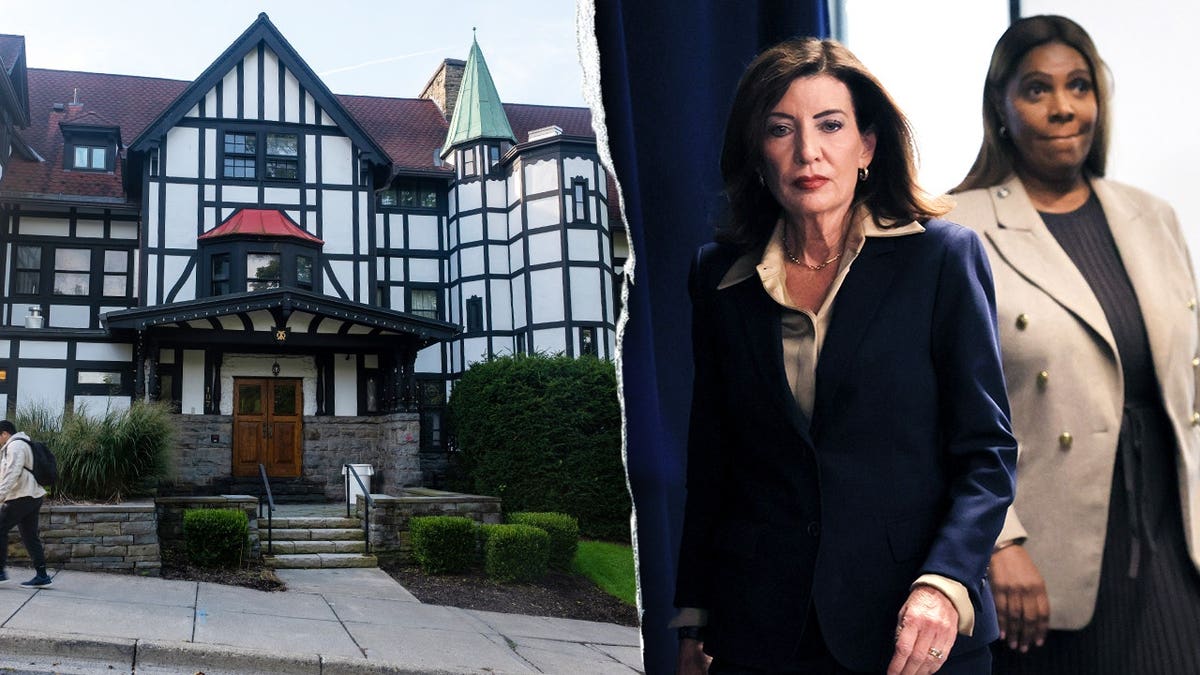
A controversial case from Cornell University has gained national attention, sparking debates on sex, consent, and criminality in college hookup culture. Seven former Chi Phi fraternity members face a civil lawsuit accusing them of drugging and raping a female student, identified as Jane Doe, at their fraternity house in October 2024. The accused deny the allegations, stating that the encounters were consensual or denying involvement altogether. Despite the lawsuit, no criminal charges have been filed.
Divergent Accounts of the Night
Different perspectives exist regarding the events of that night. Jane Doe, a 20-year-old Cornell undergraduate at the time, alleges she was intoxicated, pressured to take ketamine and other substances, and later sexually assaulted. Accounts vary, with Doe initially describing the events differently to friends and investigators.
The Evening’s Events
Doe began her evening drinking at her sorority house, then attended a social event at a local bar, consuming about 10 drinks. She eventually went to Chi Phi that night, intoxicated, where she alleges members offered her more substances and engaged in non-consensual sexual acts. A controversial Snapchat message posted that night hinted at the availability of Doe to other fraternity members.
Aftermath and Investigations
After the event, Doe’s account shifted. Initial discussions with roommates did not characterize the events as assault, but her perception changed upon learning more about the incident. Subsequent legal actions include a civil lawsuit naming seven former fraternity members, Cornell University, and other entities.
District Attorney Matthew Van Houten initially did not pursue charges due to Doe’s statement at the time, which did not confirm non-consensual acts. Recently, a more detailed interview transcript has prompted Van Houten to reopen the investigation and submit it to a grand jury.
Institutional Responses
Cornell faced scrutiny over its handling of the allegations. The university expelled two accused students, suspended two others, and conducted their disciplinary process. However, Cornell’s disciplinary actions are independent of the criminal justice system. In response to rising concerns, New York Governor Kathy Hochul appointed the Attorney General’s office to lead an independent investigation.
This case highlights ongoing issues with campus safety and the efficacy of university and legal systems in addressing allegations of sexual assault.