
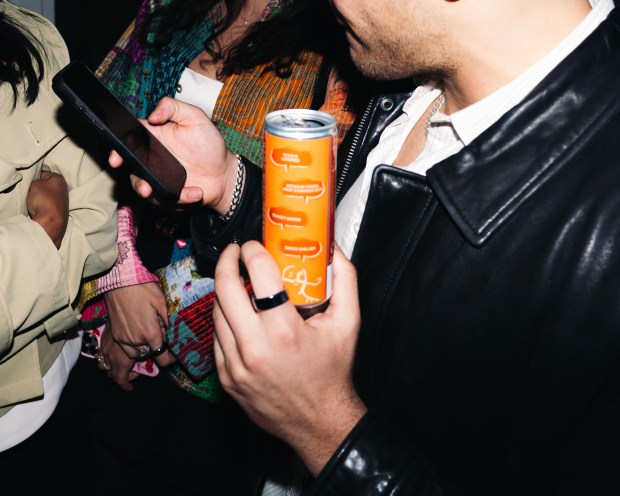
Canned wines have transformed perceptions, especially for serious wine enthusiasts. Often considered suitable for casual settings such as beaches and baseball games, these wines have seen an annual growth of about 14% in the U.S. since 2019, despite a global slump in overall wine sales. Modern canned wines offer more than convenience; they provide wines with distinct identity and origin.
Convenience and Portability
Andy Pates, founder and partner of Cream Wine & Spirits, highlights that canned wines were designed for easy drinking. Their major appeal lies in their format and portability, being perfect for sneaking into movies, picnics, or casual gatherings. The single-serving aspect is less of a commitment than a full bottle, ideal for those who desire portion control or a solo drink when others opt for different beverages.
Shifting Preferences in Canned Wines
Previously, canned wines leaned towards appealing lifestyles rather than substance, often containing generic wines from unidentified producers. However, a shift is occurring. Independent winegrowers who embrace alternative packaging are bringing more interesting and distinct wines to the market. These wines now boast more flavor differentiation and better farming practices.
The Appeal of Smaller Serving Sizes
When canned wines first gained popularity, they often came in 12-ounce cans, equating to half a bottle of wine. Many underestimated this volume, resulting in unintended consequences. Now, the industry standard has adjusted to smaller 250 ml cans, aligning with lighter, more manageable drinking experiences. This portion size enhances the appeal, aligning with lifestyle needs.
Quality and Origin in Canned Wines
Today’s top canned wines often come from wineries with a history of producing quality wines, using estate fruit or specially sourced grapes. They venture beyond the typical reds and whites, offering varietals like skin-contact orange wines and pét nats.
Pates mentions brands like Djuce, partnering with small-production winemakers to reduce carbon emissions. Examples include Meinklang, known for classical and experimental wines, and Azienda Agricola Cirelli’s organic Montepulciano. Famille du Vin brings high-quality French natural wines, offering options like Jean-Pierre Robinot’s lively pét nat and Chablis from Château de Béru.
Canned Wine Selection
- Gulp Hablo Fresco Chilled Red (La Mancha): A blend of red and white grapes — garnacha, syrah, verdejo, airén, and macabeo — offering a light-bodied, chilled experience. Priced at $6 at BottlesUp!.
- Prisma Sauvignon Blanc (Casablanca Valley): Combines fruit-forward flavors and minerality. Four-pack at $23 at Hops & Grapes.
- Prisma Pinot Noir (Casablanca Valley): Offers savory notes uncommon for its price. Four-pack at $23 at Hops & Grapes.
- Las Jaras WAVES Red Wine (California): A juicy co-fermentation of zinfandel and merlot skins, enhanced by carignan and chenin blanc, with a touch of spritz. Available at $11 at BottlesUp!.
- Las Jaras WAVES White Wine (California): Features chenin blanc and albariño, offering a spritzy, balanced white. Priced at $11 at BottlesUp!.
- Famille du Vin Jean-Pierre Robinot Dry White (Loire Valley): Contains peach and pear flavors with a strong acidity, known for its thrilling taste in a can.
- Famille du Vin Château de Béru Special Cuvée Dry White (Chablis): Floral and fresh with stone fruit flavors and minerals, a unique chardonnay expression.
- Djuce CoLab Meinklang Rosa (Burgenland): Features zweigelt, blaufränkisch, and St. Laurent for a bold, berry-like rosé with an herbal twist. $12 at Anfora Wine Merchants.
- Djuce CoLab Meinklang Kontext (Burgenland): An orange wine with tropical and savory notes, offering a gateway to Meinklang wines. $12 at Anfora Wine Merchants.
Canned wines are priced upwards of $10 each, reflecting their quality and style. They offer great value, especially for crisp whites, rosés, and reds served chilled. The touch of spritz often found in canned wines enhances their freshness and appeal.