
Across the globe, many animal species have either become endangered or disappeared entirely. The United Nations warns that the extinction rate is increasing. However, some species linger in a ‘lost’ status. They aren’t marked as extinct yet, but they also aren’t recorded in scientific data. According to the International Union for the Conservation of Nature, a species is deemed ‘lost’ if there hasn’t been a trace in ten years.
Thomas Evans, a conservation scientist at the Free University in Berlin, explains, “Species often become lost due to human-related impacts such as climate change, pollution, and habitat loss.” He notes that shrinking populations make these species difficult to locate, putting them close to extinction.
Species classified as lost pose challenges for both scientists and local communities. If a lost species is still alive, they require protection to prevent extinction. However, limited evidence makes it challenging to justify funding for conservation efforts. Complicating this issue further is the disparity in focus. A recent study in Global Change Biology highlights that not all species receive equal attention or protection.
Evans and his team looked into lost and rediscovered tetrapods to understand rediscovery factors. “Charismatic” animals, usually large or furry, are more likely to be found and receive protection. Unfortunately, less appealing species often suffer neglect. Rodents, for example, are a group heavily impacted by this bias. Despite making up a significant portion of lost mammals, they often remain overlooked by researchers.
Challenges in Rediscovering Species
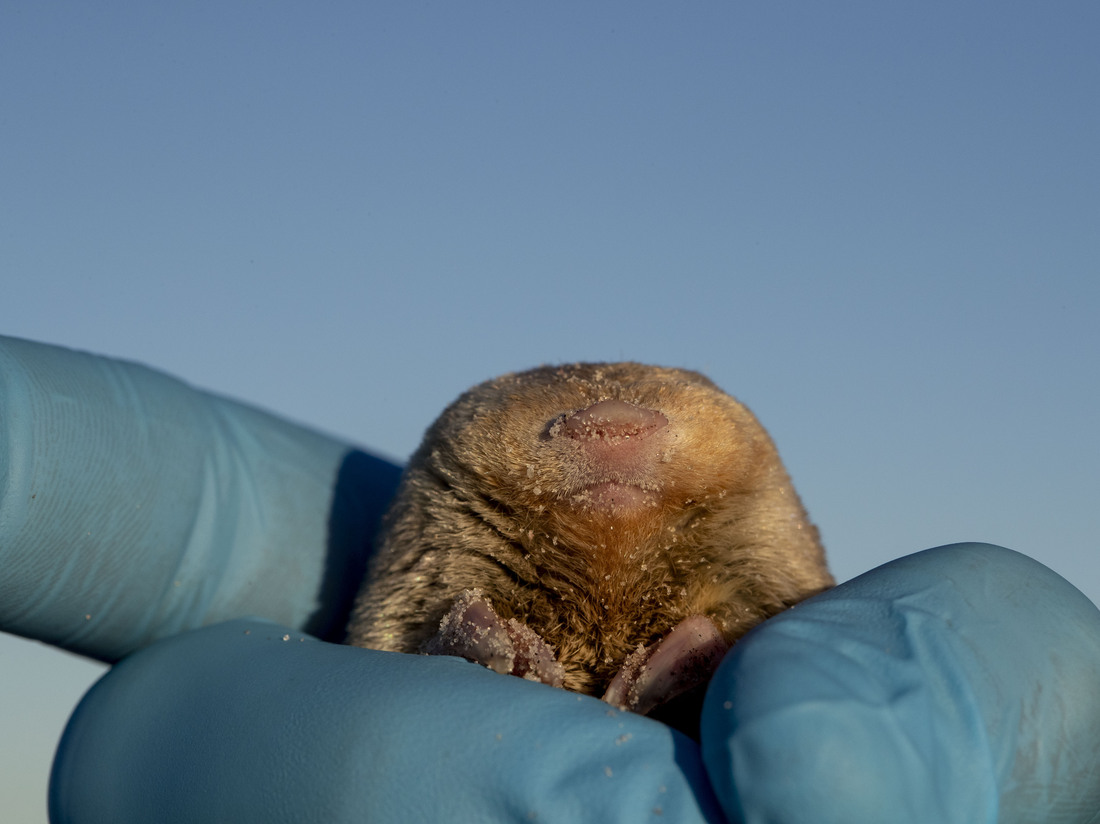
Finding a lost species is labor-intensive. Scientists frequently travel to remote locales, searching for signs of few remaining animals. New technologies aid in these endeavors. For instance, in South Africa, Samantha Mynhardt from Endangered Wildlife Trust pursued the De Winton’s golden mole. Listed as significant for rediscovery, this mole had been missing for decades.
Mynhardt faced skepticism due to its lengthy absence. Traditional tracking tools failed, prompting her team to use scent detection dogs and environmental DNA (eDNA). As animals move, they shed traces like skin cells or excrement, making eDNA useful for identification.
During an expedition along South Africa’s coast, Mynhardt’s team captured a mole. Lab analysis of soil eDNA confirmed it as the target species. “It was thrilling,” Mynhardt said. “After so much anticipation, we were ecstatic.”
From Discovery to Protection
In a different part of the world, University of Melbourne biologist Tyrone Lavery pursued a similar quest. He spent 14 years in search of the Vangunu giant rat, known locally as “vika” on the Vangunu Islands. Despite the locals occasionally spotting them, the rats had eluded scientists.
Lavery’s breakthrough came through a logging company. A vika emerged from a tree they felled, rare proof of its existence. He intensified his search, installing camera traps and, after months, captured photographic evidence.
His findings appeared in Ecology and Evolution, prompting unofficial changes; logging activities slowed, despite no formal protective measures. While discovery can lead to protection for some species, not all lost animals are as lucky. Mynhardt notes, “Most know of apes or big cats, but few recognize golden moles. It is regrettable since all species hold value.”
For questions about other science mysteries, contact NPR at [email protected]. Listen to Short Wave on Spotify, Apple Podcasts, and Google Podcasts. Enjoy ad-free episodes and support NPR by joining Short Wave+ at plus.npr.org/shortwave.
This episode was produced by Margaret Cirino and Rebecca Ramirez, with editing by Rebecca. Anil Oza verified the facts, and Robert Rodriguez was the audio engineer.