
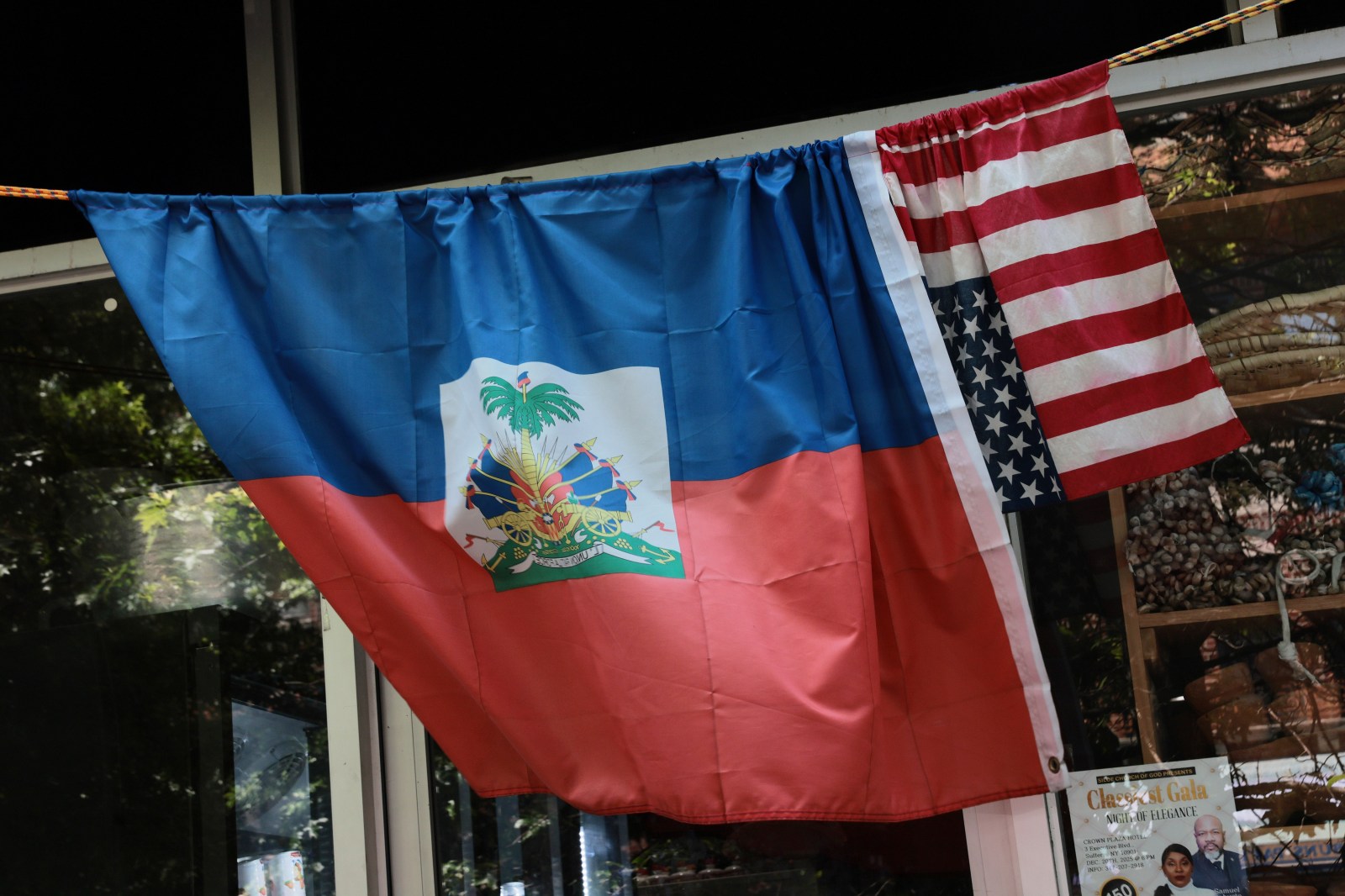
Thousands of immigrants with Temporary Protected Status (TPS) are confronting the expiration of their status, potentially being required to return to countries facing ongoing unrest and environmental issues. This situation arises despite claims of improvement by the U.S. administration. A recent U.S. Supreme Court decision significantly impacts TPS holders from Haiti and Syria, but experts believe the consequences could extend further, affecting those from countries like Venezuela, Afghanistan, Honduras, and Myanmar.
Supreme Court Decision Overview
On June 25, the Supreme Court ruled 6-3 in favor of allowing the administration to terminate TPS for approximately 350,000 Haitians and several thousand Syrians amid ongoing litigation. Justice Samuel Alito stated that federal law restricts court reviews of TPS decisions made by the Department of Homeland Security (DHS). Justice Elena Kagan, however, warned of potential risks to immigrants before legal challenges are resolved.
This ruling could extend its effects beyond Haiti and Syria, as prior termination of TPS for various nations under the Trump administration could impact more than a million people relying on the program.
Humanitarian Challenges and Concerns
Hussein E. Elbakri, from the International Refugee Assistance Project, highlighted concerns over the removal of legal status, affecting people integrated into American communities. Many are essential workers in healthcare sectors, risking being returned to countries marked as dangerous by U.S. travel guidance.
“After a single ruling, the Trump administration can strip legal status from more than a million people who have lived, worked, and raised families in this country for years,” Elbakri stated.
Similarly, Adam Klein, an expert in TPS, noted that ending TPS means losing removal protection and, without other legal statuses, many may become deportable. Employment authorization tied to TPS will also expire, impacting livelihoods.
Syria’s Return Challenges
The International Rescue Committee (IRC) reported that more than 3.5 million Syrians returned home after the government change in 2024. Despite seeming political improvements, most returnees encountered deficient services and damaged living conditions. Many returned because of deteriorating conditions in host countries, not improvements in Syria.
IRC’s Kelly Razzouk emphasized the rapid return rate exceeds Syria’s rebuilding capabilities, demonstrating why TPS is crucial as a safeguard and why forcing Syrian TPS holders to return could threaten their safety.
Haiti’s Persistent Instability
Haiti faces a severe security crisis, with gang violence and political upheaval. The Supreme Court’s decision to terminate TPS for Haitians affects about 350,000 people who have resided in the U.S. long-term.
Despite some government claims of improved conditions, advocacy groups argue that circumstances in Haiti fulfill TPS designation criteria, maintaining it’s too dangerous for mass returns.
Venezuelan TPS Holders in Limbo
Venezuela holds a large share of TPS beneficiaries in the U.S. Many Venezuelans express distress over plans to revoke their TPS, fearing family separations and job losses. The Biden administration has been criticized for broad TPS implementation, but Venezuelan residents argue that economic and political instability persists.
Recent environmental disasters, like earthquakes in June, pose additional challenges. Many Venezuelans are wary about returning amid these combined adversities.
Security Concerns in Afghanistan and Myanmar
Affected Afghans and people from Myanmar may see less focus on economic conditions and more on security and human rights risks. Legal challenges against ending TPS indicate potential persecution and instability upon returning.
Future of TPS and Broader Implications
The Supreme Court’s decision suggests expansive authority for the Homeland Security Secretary over TPS decisions. Analysts warn about shrinking TPS populations, stressing legislative necessity for protected pathways for long-term residents.
“TPS has always been a temporary solution, yet activities now seem more arbitrary,” Klein remarked, emphasizing prior expectations for Congress to act for stable residents.
As TPS debates continue, the real-world implications for Syrians, Venezuelans, Haitians, Afghans, and Burmese reveal the complexity of ending legal protections. These impacts underscore ongoing global crises where TPS plays a critical role.