
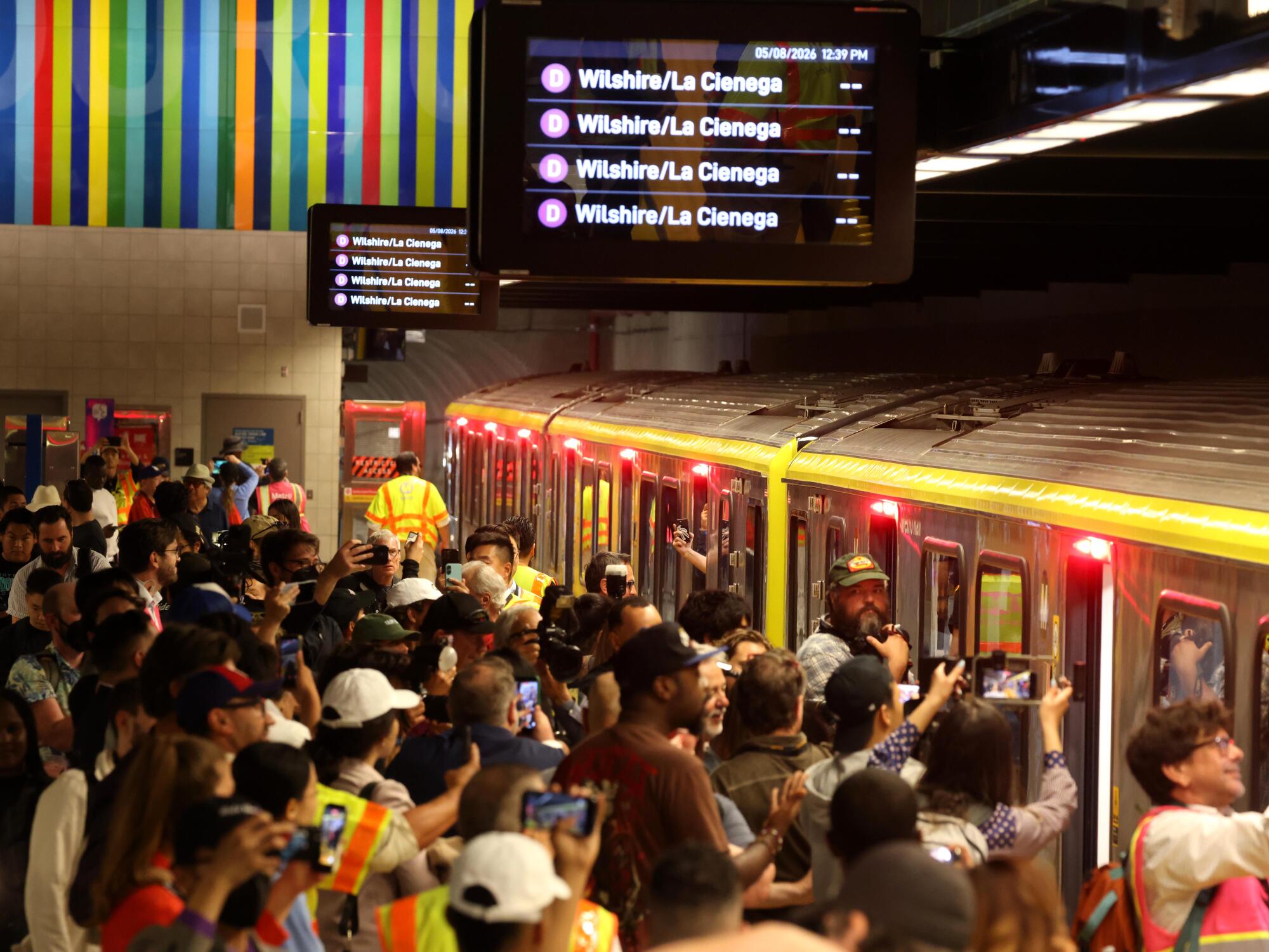
The Westside subway extension has finally progressed in Los Angeles, moving beyond its stalled ambitions from the 1980s. The extension of the Metro D Line includes three new stations: Wilshire/La Brea, Wilshire/Fairfax, and Wilshire/La Cienega. These additions are brimming with both advantages and limitations and are reshaping the city into a more connected urban area.
Enhanced Connectivity in Los Angeles
The extension offers a new sense of connection, loosening historically intimidating barriers of vast urban sprawl, congested infrastructure, and stagnant governance. The new stations create a denser network, essential for increased movement throughout the city. This connectivity addresses Los Angeles’ long-standing challenges but does not completely transform the city.
Art and Architecture: Seamlessly Integrated
The stations feature a cohesive blend of art, architecture, and infrastructure, reflecting Metro’s commitment to innovative design and public art. While the underground experience radiates this creative synergy, the above-ground plazas lack the same civic presence. Metro, a driving force for urban transformation, displays a more cautious approach outside the station confines.
The Metro stations’ art has been meticulously integrated, evident as architectural structures rather than mere adornments. Lighting and other design elements complement this integration, creating an intuitive environment for passengers. Since the 1980s, L.A. Metro Art program has fostered successful art commissions, enriching station aesthetics and enhancing commuter experiences.
Challenges Above Ground
While the stations excel below ground, the outdoor plazas reveal missed opportunities. These areas often lack shade, art, and comfortable seating, discouraging community interaction. Despite these shortcomings, spontaneous activities, like impromptu dance classes, emerge in shaded corners, hinting at the plazas’ untapped potential.
Frequent trains and seamless last-mile services remain pivotal for increasing ridership. The extended wait times and lack of parking options near stations limit accessibility for those not residing nearby, indicating room for improvement.
Future Considerations and Implications
The new subway stops benefit some of L.A.’s dense destinations, emphasizing Metro’s ongoing growth and expansion. The strengthened connection between neighborhoods, cultural sites, and employment hubs reimagines Los Angeles as a city of integrated links. However, achieving a full urban identity requires further collaboration between Metro, government, and local institutions.
Los Angeles must work towards transforming stations into engaging urban spaces over mere transit points. The Metro D Line extension has begun to shape this evolution underground. Now, the challenge lies in advancing these changes above ground, bridging functional infrastructure with a vibrant urban environment.